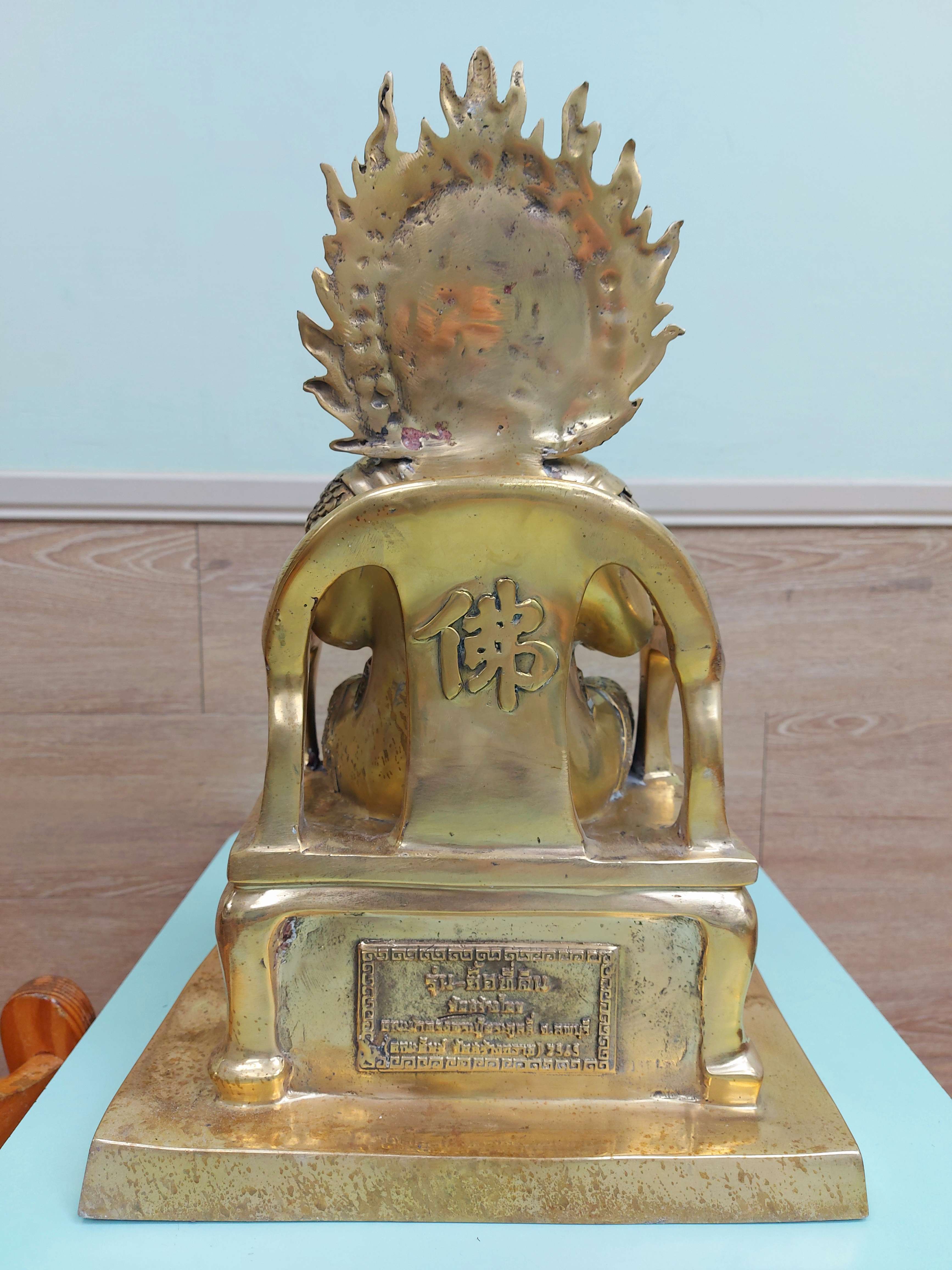
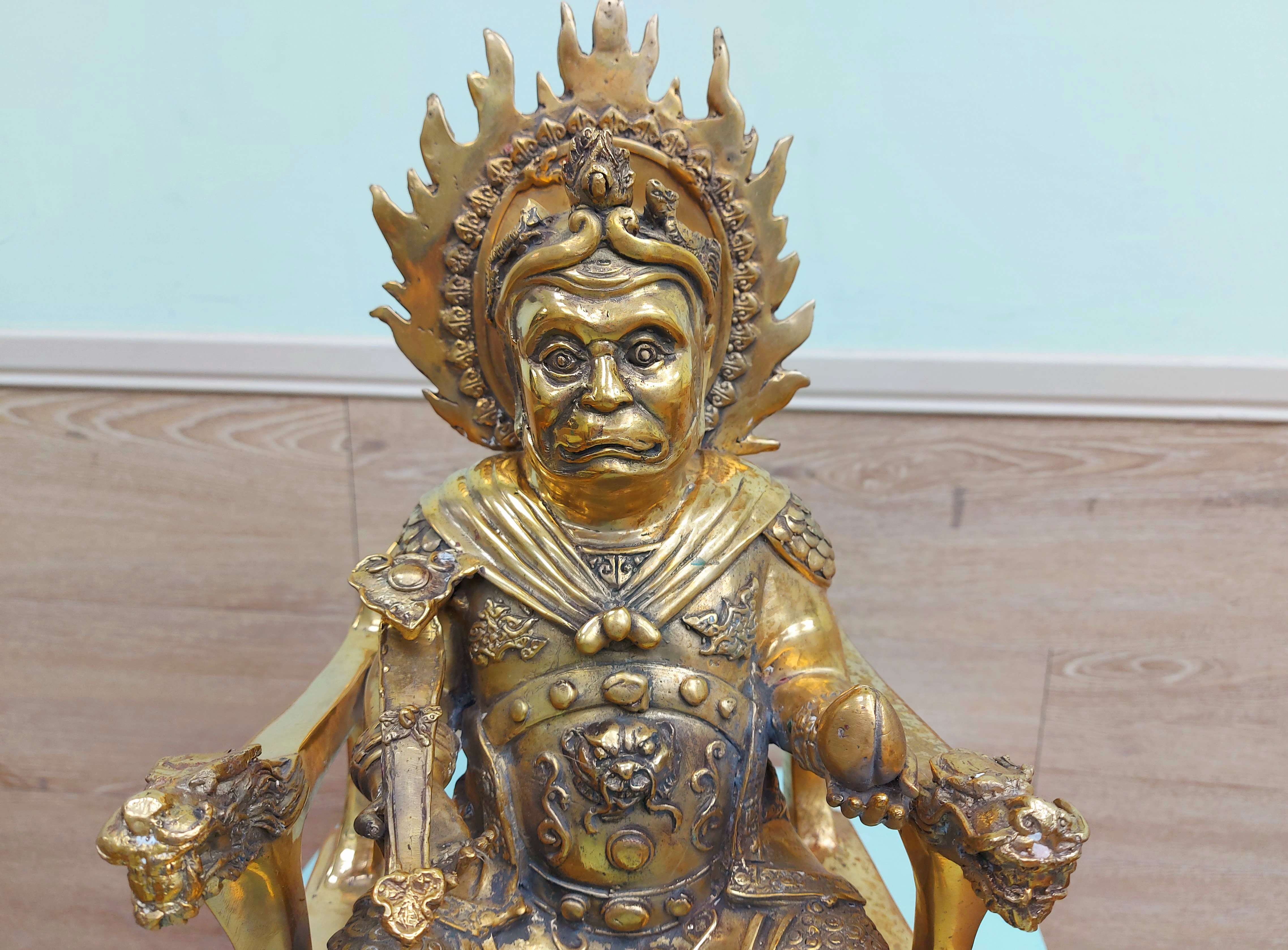
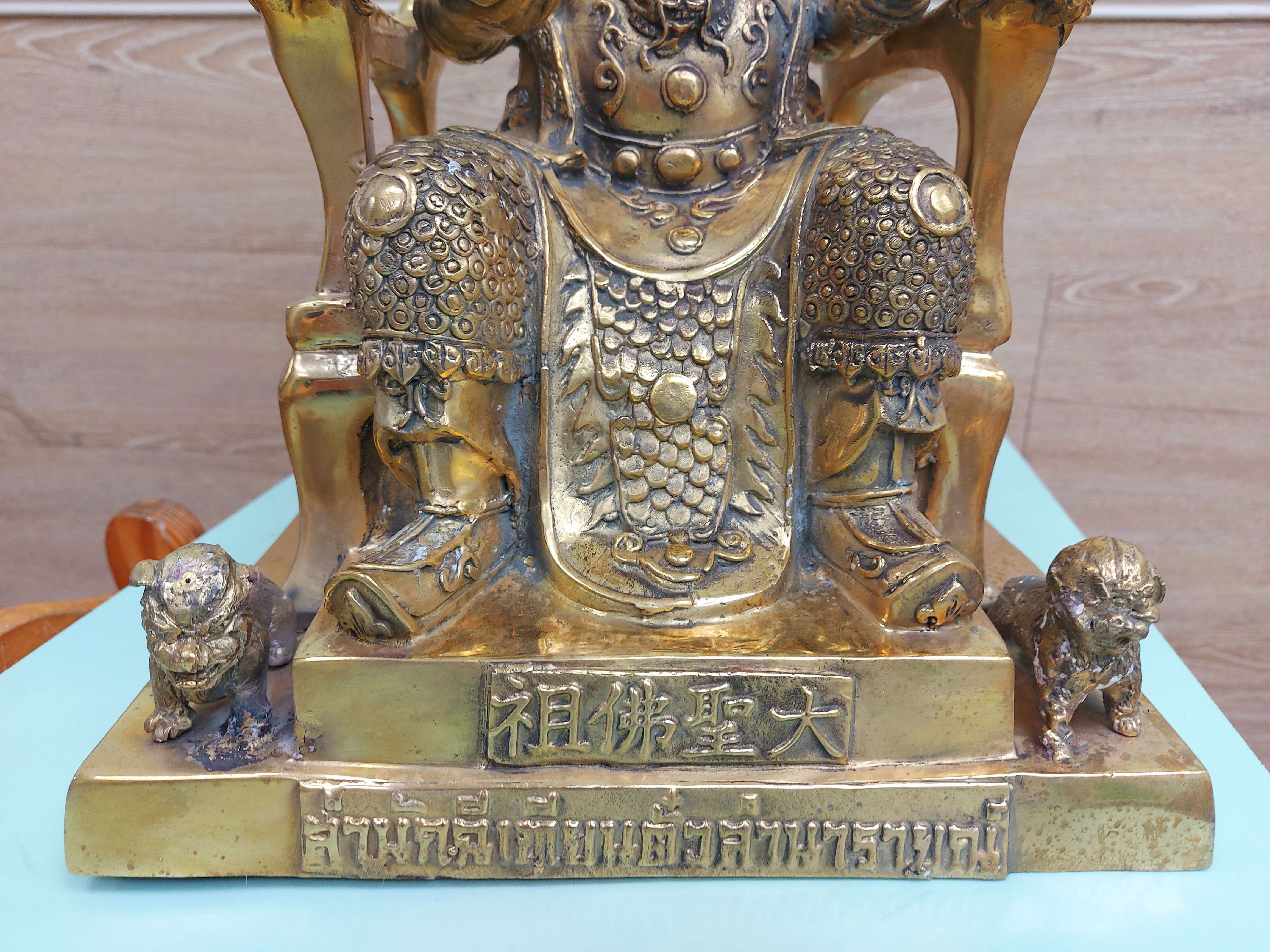
Hello! Welcome to the Journey to the West Research blog, a repository for research on the great Chinese classic Xiyou ji (西遊記, lit: “Record of the Westward Journey”; 1592 CE). The story follows a Buddhist monk and his fallen god-turned-monster disciples on a quest to procure salvation-bestowing scriptures from the Buddha in India. The main characters include:
- The naive Buddhist monk Tang Sanzang (唐三藏, “Tripitaka of the Tang Dynasty Clan”; a.k.a. the “Tang Monk,” Tangseng, 唐僧), a literary version of the historical monk Xuanzang (玄奘, 602-664 CE)
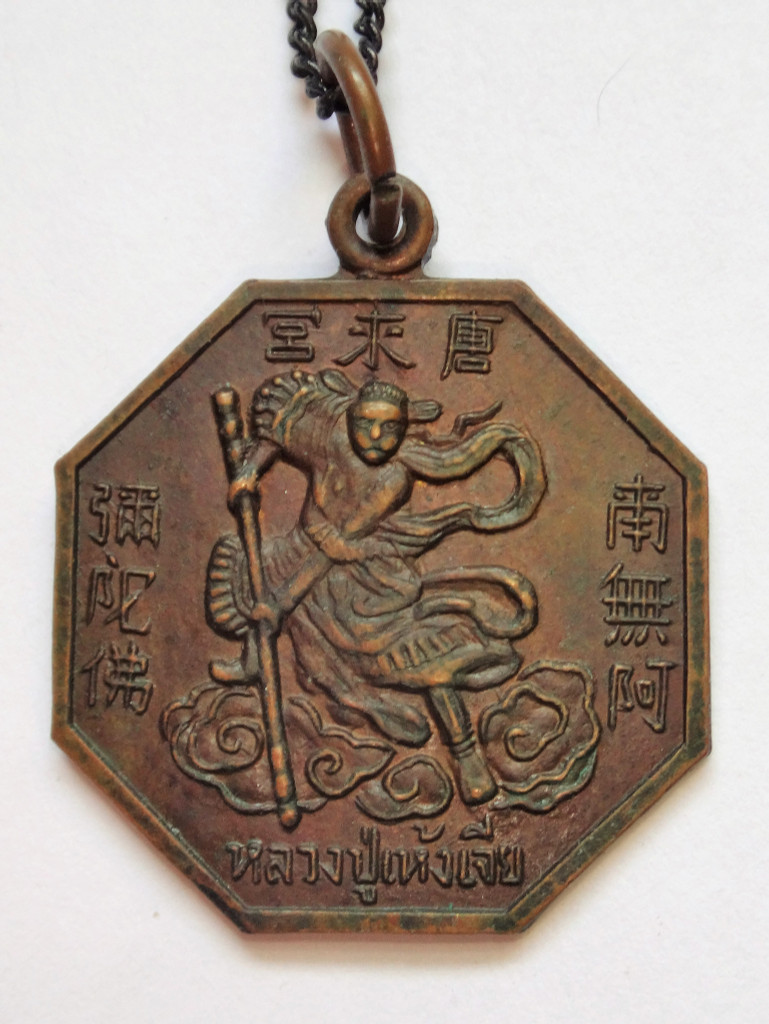
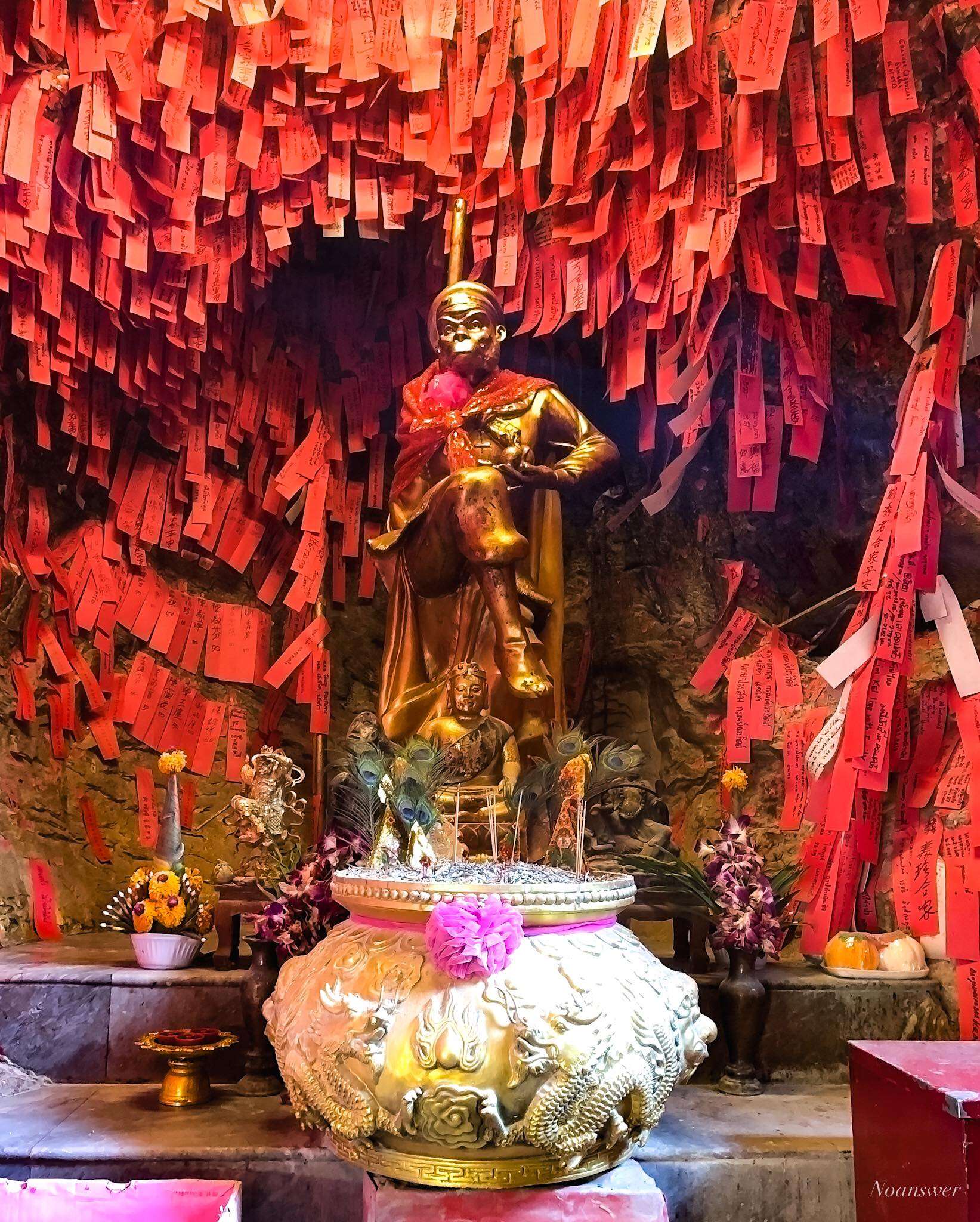
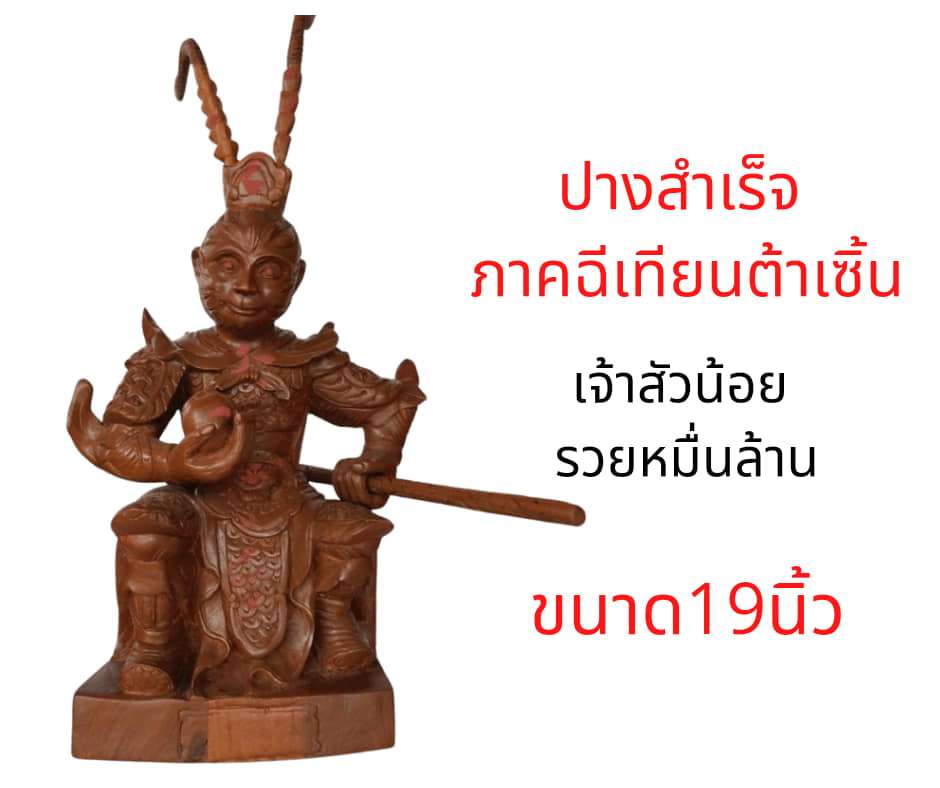
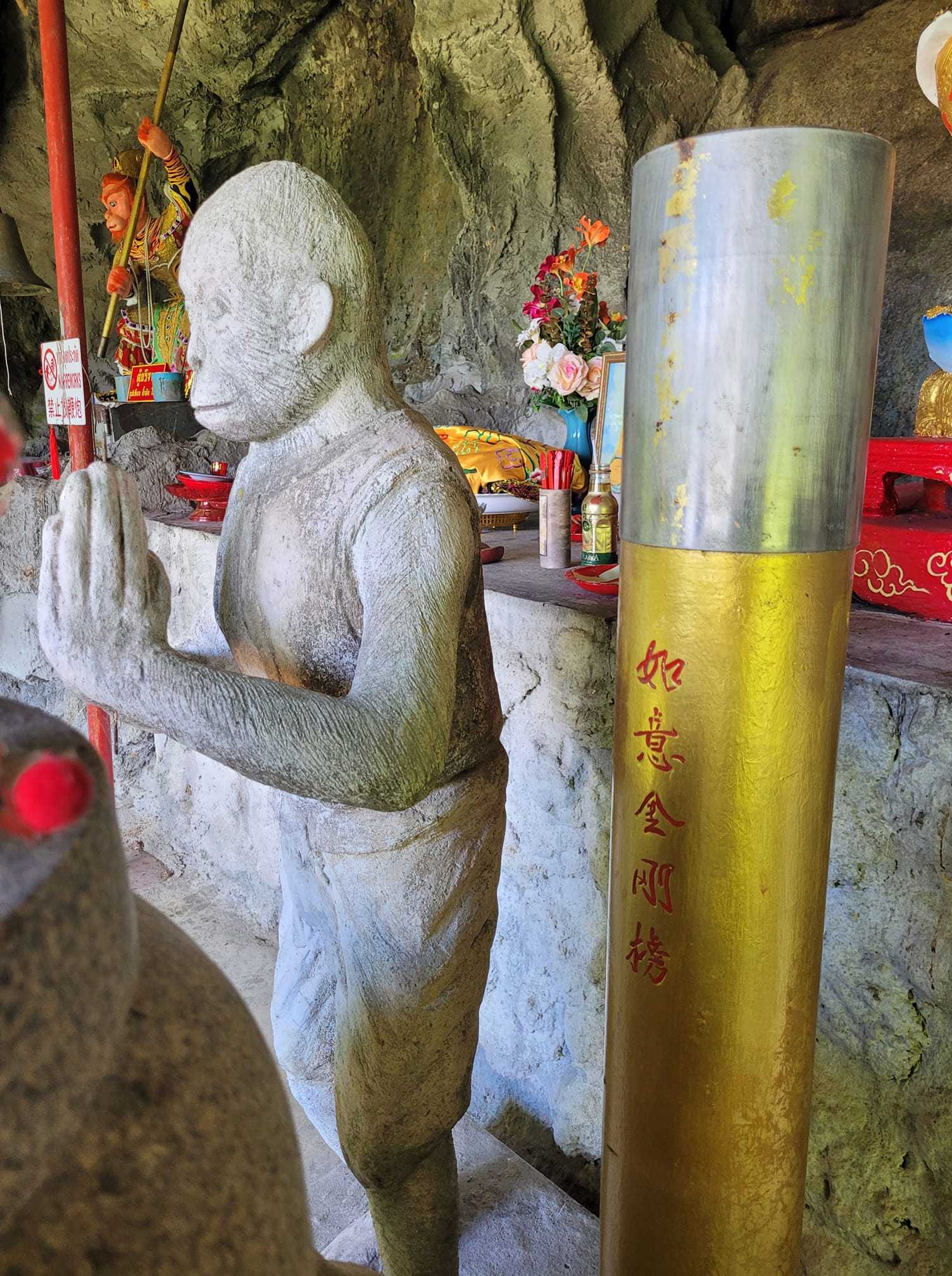
- The rebellious monkey-spirit Sun Wukong (孫悟空, “Monkey Awakened to Emptiness“; a.k.a. “Handsome Monkey King,” Meihou wang, 美猴王; a.k.a. “Great Sage Equaling Heaven,” Qitian dasheng, 齊天大聖; a.k.a. “Monkey”)
- The lecherous pig-spirit Zhu Wuneng/Bajie (豬悟能/八戒, “Pig Awakened to Power/of Eight Rules; a.k.a. “Pigsy”)
- The quiet river-spirit Sha Wujing (沙悟净, “Sand Awakened to Purity”; a.k.a. “Sha Monk,” Shaseng, 沙僧; a.k.a. “Sandy”)
- The oblivious serpent-turned-White Dragon Horse (Bai Longma, 白龍馬)
The three main disciples—Sun, Zhu, and Sha—work hard to protect the Tang Monk from all manner of fallen gods or escaped divine mounts-turned-monsters, cultivated animals-turned-spirits, and mischievous ghosts wanting to eat his divine flesh. Along the way, the pilgrims encounter or are aided by Buddho-Daoist deities, immortals, and sages. See this article for a full character list. Also, for those short on time, please consult this wonderful 100-chapter summary of the novel over at the Journey to the West Library blog.
Studying the characters, events, mythology, religion, and philosophy of Journey to the West has been one of the greatest pleasures of my life, but I have entered a new phase of research that focuses on Sun Wukong in a much, much broader sense. I recently started a new project centered around the Greco-Roman hero Heracles–Hercules. My hope is that studying a mythic figure from a different time and place will provide more insight into our favorite primate immortal as a hero of the world and not just China. And since my attention will be focused on that, I likely won’t post new, in-depth research as often as I use to. This doesn’t count upcoming guest posts or the backlog of articles that I have almost finished. Nor does it count new archives of important materials or the occasional update I will make to existing pieces.
In the meantime, I have organized a master list of all 200-plus blog posts, including all of the books, papers, and comics I’ve archived over the years. Each has been placed in categories to make finding a particular subject easier. I must note that some posts will repeat as they belong in more than one category. The resulting list has been pinned to the top of the website to greet new and seasoned readers.
(Note: I’m slowly updating articles with linked tables of contents and notes. This will take some time to finish.)
Table of Contents
- 1. Newest Posts
- 2. Top Ten Articles
- 3. The Novel
- 3.1. Precursors
- 3.2. Standard 1592 Edition
- 3.3. Sequels
- 4. The Cosmos
- 5. Characters
- 5.1. Tripitaka/Sanzang/Tang Monk
- 5.2. Sun Wukong/Monkey King/Great Sage
- 5.2.A. His Golden Headband
- 5.2.B. His Staff
- 5.2. C. Great Sage Worship
- 5.3. Zhu Bajie/Pigsy
- 5.3.A. His Worship
- 5.4. Sha Wujing/Sha Monk/Sandy
- 5.5. White Dragon Horse/Bai Longma
- 5.6. Patriarch Subodhi/Master Puti
- 5.7. Buddha
- 5.8. Laozi
- 5.9. Others
- 6. Related External Novels & Characters
- 7. Archives
- 8. Guest Posts
- 9. Assorted Subjects
- 10. Story Ideas
- 11. Reviews
- 12. Artist and Writer Spotlights
Categories
1. Newest Posts
- How to Resurrect the Tang Monk if He is Killed During Journey to the West
- Archive #53 – PDFs of Outlaws of the Marsh (a.k.a. Water Margin) Foreign Language Press English Translation (Vols. 1-4)
- Why I Don’t Do Powerscaling for Sun Wukong
- Story Idea: Sun Wukong vs Heracles / Hercules
2. Top Ten
These are the top ten most popular posts according to my site analytics. I have indicated the years that each was posted to show how “older” doesn’t necessarily translate to “more views.”
- Archive #11 – PDFs of the Journey to the West 2012 Revised Edition (2019)
- A Study of the Four Celestial Primates from Journey to the West (2022)
- The Story of Sun Wukong, the Monkey King (2013)
- Origin of the Six-Eared Macaque and the Character’s Influence on Black Myth: Wukong (2020)
- The Origin of Sun Wukong’s Golden Headband (2017)
- What Does Sun Wukong Look Like? A Resource for Artists and Cosplayers (2018)
- The Origin of Sun Wukong’s Cloud Somersault (2019)
- Sun Wukong’s Names and Titles (2023)
- The Worship of Sun Wukong the Monkey King: An Overview (2021)
- The Tightening Spell of Sun Wukong’s Golden Headband (2022)
And here are a few more because I’m proud of them. Each is listed according to their relative number of views.
- Archive #46 – A Catalog of the Monkey King’s Magic Powers and Skills (2024)
- The Patriarch Subodhi: Sun Wukong’s First Master (2022)
- The Worship of Sun Wukong in Wanfu Temple: Initial Findings (2018)
- How the Hindu Bird God Garuda Came to Appear in Journey to the West (2018)
- Laozi’s Diamond Cutter Treasure-Weapon from Journey to the West (2024)
- Story Idea: Sun Wukong vs Heracles / Hercules (2025)
3. The Novel
3.1. Precursors
- Archive #45 – Tripitaka Seeks the Scriptures: A Rare Journey to the West Puppet Play from Quanzhou, Fujian
- Archive #44 – The God Erlang Captures the Great Sage Equaling Heaven (Erlang shen suo Qitian dasheng) Zaju Play
- Archive #37 – The 13th-Century Version of Journey to the West
- Archive #1 – The Early-Ming Journey to the West Zaju Play
- The Story of How Tripitaka of the Great Tang Procures the Scriptures: The Literary Precursor of Journey to the West
3.2. Standard 1592 Edition
- Archive #47: The Newly Annotated Journey to the West With Illustrations (Xinshuo Xiyouji (tuxiang), 1749/1888)
- Origin of the Immortal Peach-Stealing Episode from Journey to the West
- Archive #42 – PDFs of Journey to the West Translations
- Archive #41 – PDFs of The Illustrated Journey to the West (Ehon Saiyuki, 繪本西遊記, 1835) – The First Complete Japanese Translation
- A Realistic Retelling of Journey to the West?
- Archive #39 – Journey to the West Adaptations
- Watch Your Step: The Influence of Journey to the West on the “Ashiarai Yashiki” Yokai Story of Edo-Period Japan
- Archive #31 – The Original 1592 Edition of Journey to the West, Complete with Pictures
- Archive #20 – The Xiyou ji in Its Formative Stages: The Late Ming Editions (1981)
- Origin of the Pregnancy Episode in Chapter 53
- Bin Steel: The Magic Metal of Journey to the West
- Journey to the West and World History
- Archive #6 – A Mission to Heaven (1913) – The First Attempt to Translate Journey to the West into English
- Archive #5 – All Woodblock Prints from Mr. Li Zhuowu’s Literary Criticism of Journey to the West
- Book Covers for Vintage Editions of Arthur Waley’s Monkey
- The Mysterious Ninth Chapter and Sun Wukong’s Links to Chinese Opera
- Journey to the West and Islamic Lore
3.3. Sequels
- The Later Journey to the West: Part 3 – The Journey Comes to an End
- The Later Journey to the West: Part 2 – The Journey to India Begins
- The Later Journey to the West: Part 1 – Sun Luzhen’s Early Adventures
- A Supplement to the Journey to the West: An Overview
4. The Cosmos
- The “Immortal Register” of Journey to the West
- The Buddha’s Vulture Peak and Journey to the West
- Laozi’s Realm in Journey to the West
- Flower Fruit Mountain as the Center of the Universe
- The Mountain of Flowers and Fruit and the Cosmic Geography of Journey to the West
- Origins of the Chinese Underworld Appearing in Journey to the West
5. Characters
5.1. Tripitaka/Sanzang/Tang Monk
- How to Resurrect the Tang Monk if He is Killed During Journey to the West
- Buddhist Deities Exiled From the Western Heaven in Chinese Vernacular Literature
- The Tang Monk Tripitaka and the Buddha Candana Merit
- Archive #35 – The Tang Monk Tripitaka as a Confucian in Journey to the West
- Archive #28 – Tripitaka’s Reincarnation and its Connection to Ancient Greek and Egyptian Philosophy
- Archive #15 – Narrative Structure and the Problem of Chapter Nine in the “Hsi-Yu Chi”
- The Monk Tripitaka and the Golden Cicada
5.2. Sun Wukong/Monkey King/Great Sage
- Why I Don’t Do Powerscaling for Sun Wukong
- Shi Pantuo: An Influence on Sun Wukong
- Can Sun Wukong Copy the Strength and Magic of an Opponent?
- Parallels Between Sun Wukong and Hercules
- Why was Sun Wukong Able to Live 342 Years Prior to his Immortality?
- A Possible Origin for the Term “Handsome Monkey King”
- Sun Wukong Dough Figurines from Quanzhou, Fujian, China
- Archive #46 – A Catalog of the Monkey King’s Magic Powers and Skills
- How to Kill Sun Wukong
- Sun Wukong’s Names and Titles
- Is Sun Wukong FTM Trans?
- How Many Humans Does Sun Wukong Kill in Journey to the West?
- What is the Oldest Known Media of Sun Wukong, the Monkey King?
- How Tall is the Monkey King? – A Debate
- Interesting Facts about the Monkey King
- A Survey of Sun Wukong’s Magic “Immortal Breath” and Its Abilities
- Hercules vs Sun Wukong Death Battle Analysis
- Archive #26 – Bimawen, Heavenly Horses, and Dragon Horses in Chinese Literature and History
- Sun Wukong and the Buddha’s Past Life as a Monkey King
- Parallels Between the Monkey King and the Buddha
- When was the Monkey King Born?
- Sun Wukong and Births From Stone in World Mythology
- Archive #16 – Sun Wukong and Chinese Medicine
- Sun Wukong and the Buddhist Saint Mulian
- Sun Wukong and Miao Folklore
- Sun Wukong and the Qiang Ethnic Group of China
- The Monkey King’s Cosmic Body
- Sun Wukong’s Strength-Bestowing Ritual
- Sun Wukong’s Hellish Punishment
- Sun Wukong and the Three Heavenly Calamities
- The Monkey King and Graffiti
- Sun Wukong’s Greatest Feat of Strength: An Allegory for Cultural or Religious Conflict?
- The Sun Wukong Stone Relief of Kaiyuan Temple
- What Does Sun Wukong Look Like? A Resource for Artists and Cosplayers
- The Origin of the Monkey King’s Punishment Under Five Elements Mountain
- The Origin of Sun Wukong’s Magic Hairs
- Sun Wukong and Martial Arts
- Why the Monkey King Wears a Tiger Skin Loincloth and How it Ties Him to Supreme Esoteric Buddhist Guardian Deities
- Sun Wukong’s Connection to the Boxer Rebellion
- The Origin of the Monkey King’s Punishment in Laozi’s Furnace
- The Origin of Sun Wukong’s Cloud Somersault
- Parallels between Sun Wukong and Wu Song
- The Monkey King’s Spiritual Training and Historical Daoist Internal Alchemy
- The Origin of Sun Wukong’s Battle with Lord Erlang and Its Ties to Han Dynasty Funerary Rites and Folklore
- The Monkey King’s Connection to Sex
- Sun Wukong’s Surname and its Connection to Daoist Doctrine
- Sun Wukong and the Rhesus Macaque
- The Monkey King and Cinderella
- Sun Wukong and Indiana Jones
- The Origin of Sun Wukong’s Religious Name
- Sun Wukong’s Birth from Stone and More Connections to Yu the Great
- The Story of Sun Wukong, the Monkey King
5.2.A. His Golden Headband
- The Monkey King’s Crescent-Style Headband
- The Tightening Spell of Sun Wukong’s Golden Headband
- Sun Wukong’s Curlicue-Style Headband
- The Story of the Original Golden Headband in the Great Sage Treasure Temple, Kowloon, Hong Kong
- The Origin of Sun Wukong’s Golden Headband
5.2.B. His Staff
- The Monkey King’s Magic Staff: A Complete Guide
- The Weight of the Monkey King’s Staff: A Literary Origin
- The Magic Powers of the Monkey King’s Iron Staff
- Misconceptions About the Monkey King’s Staff and the Milky Way Galaxy
- The Connection Between the Monkey King’s Staff, Yu the Great, and Flood Control
- Deciphering the Inscription on the Monkey King’s Staff
- A Historical Source for the Monkey King’s Staff?
- “That Piece of Rare Magic Iron”: The Literary and Religious Origins of the Monkey King’s Staff
5.2.C. Great Sage Worship
- My Great Sage Monkey King Statue from Thailand
- The Monkey King’s Worship in Thailand
- The Worship of Sun Wukong the Monkey King: An Overview
- The Monkey King and the “Three-Teachings” (三教) Trinity of Southeast Asia
- The Great Sage Monkey King Scripture: A Brief Analysis
- Archive #22 – The Monkey King’s Scripture
- Qitian Dasheng Monkey King Temples in Taiwan
- My Qitian Dasheng Monkey King Talisman Block
- The Monkey King and The Buddha Victorious in Strife (a.k.a. Victorious Fighting Buddha)
- The Great Sage Detecting “Ping-Pong” Bottle
- The Monkey King Temples of Fujian Province, China
- The Worship of Sun Wukong in 19th-century America
- The Great Sage Purple Cloud Temple of Yilan, Taiwan: A Photo Essay
- Archive #3 – PDF of Chinese Spirit-Medium Cults in Singapore (1955) by Alan J. A. Elliott
- The Sun Wukong Cult in Fujian
- The Possible Origin of Wanfu Temple’s Multiple Great Sages
- The Worship of Sun Wukong in Wanfu Temple: Initial Findings
5.3. Zhu Bajie/Pigsy
- The Past Life Biography of Zhu Bajie
- What Does Zhu Bajie Look Like? A Resource for Artists and Cosplayers
- Zhu Bajie’s Earliest Known Depictions and the Gyeongcheonsa Pagoda
- The Historical Origins of Zhu Bajie’s Previous Incarnation and his Battle Rake
- Pigsy as a Late Addition to JTTW and Revelation of Monkey’s Lustful Nature in an Early Ming-Era Play
5.3.A. His Worship
- Archive #8 – The Pig and the Prostitute: The Cult of Zhu Bajie in Modern Taiwan
- Zhu Bajie: Patron Deity of Sex Workers
5.4. Sha Wujing/Sha Monk/Sandy
5.5. White Dragon Horse/Bai Longma
- Why Did the White Dragon Horse Burn His Father’s Pearls in Journey to the West?
- Archive #26 – Bimawen, Heavenly Horses, and Dragon Horses in Chinese Literature and History
5.6. Patriarch Subodhi/Master Puti
- The Patriarch Subodhi: Sun Wukong’s First Master
- The Alchemical Allegory of Subodhi’s Mountain Home
- Archive #13 – Huineng, Subhuti, and Monkey’s Religion in “Xiyou ji” (2006)
- Story Idea: Master Subodhi’s Curriculum II – Immortal Warriors and Shaolin Monks – Some Fun Monkey King Fanfiction Speculation
- Master Subodhi’s Curriculum
5.7. Buddha
- The Buddha’s Vulture Peak and Journey to the West
- Does the Buddha Lie in Journey to the West?
- Sun Wukong and the Buddha’s Past Life as a Monkey King
- Parallels Between the Monkey King and the Buddha
5.8. Laozi
- Laozi’s Diamond Cutter Treasure-Weapon from Journey to the West
- Laozi’s Realm in Journey to the West
5.9. Others
- Heavenly Generals – Generals Thousand-Mile Eye and Fair-Wind Ear
- Monkey’s Primate Commanders – Sun Wukong’s Four Mighty Commanders
- Hell Summoners – Monkey and the Summoners of Hell: The Story and Origins of the Heibai Wuchang
- Crows Nest Chan Master – The Crow’s Nest Chan Master of Journey to the West
- White Bone Spirit – Origin of the White Bone Spirit
- White River Turtle – Origin of the White Turtle River Crossing Accident From Journey to the West Chapters 98 and 99
- Redboy – What Does Red Boy Look Like? A Resource for Artists and Cosplayers
- Peng/Garuda – How the Hindu Bird God Garuda Came to Appear in Journey to the West
6. Related External Novels & Characters
- Archive #53 – PDFs of Outlaws of the Marsh (a.k.a. Water Margin) Foreign Language Press English Translation (Vols. 1-4)
- Archive #52 – PDFs of the Three Kingdoms Foreign Language Press English Translation (Vols. 1-4)
- Buddhist Deities Exiled From the Western Heaven in Chinese Vernacular Literature
- Archive #40 – Journey to the South (Nanyouji) English Translation PDF
- Yuebei xing, Daughter of the Monkey King
- The White Ape Perfected Man: Sun Wukong’s Divine Double
- The Monkey King’s Children
- Archive #17 – PDFs of Creation of the Gods Library of Chinese Classics Chinese-English Bilingual Edition (Vols. 1-4)
7. Archives
These are assorted books, papers, and comics.
- Archive #53 – PDFs of Outlaws of the Marsh (a.k.a. Water Margin) Foreign Language Press English Translation (Vols. 1-4)
- Archive #52 – PDFs of the Three Kingdoms Foreign Language Press English Translation (Vols. 1-4)
- Archive #51 – Animating Sun Wukong: Shanghai Animation Film Studio’s Havoc in Heaven and Symbolic Transformation on the Eve of the Cultural Revolution
- Archive #50 – Heracles as Vajrapani
- Archive #49: Journey to the West (西游记): A 60-Volume Lianhuanhua Comic
- Archive #48: The Eighteen Arhats Battle Wukong (十八罗汉斗悟空): A 7-Volume Lianhuanhua Comic
- Archive #47: The Newly Annotated Journey to the West With Illustrations (Xinshuo Xiyouji (tuxiang), 1749/1888)
- Archive #46 – A Catalog of the Monkey King’s Magic Powers and Skills
- Archive #45 – Tripitaka Seeks the Scriptures: A Rare Journey to the West Puppet Play from Quanzhou, Fujian
- Archive #44 – The God Erlang Captures the Great Sage Equaling Heaven (Erlang shen suo Qitian dasheng) Zaju Play
- Archive #43: The 72 and 36 Taoist Skills of the Lidai Shenxian Tongjian
- Archive #42 – PDFs of Journey to the West Translations
- Archive #41 – PDFs of The Illustrated Journey to the West (Ehon Saiyuki, 繪本西遊記, 1835) – The First Complete Japanese Translation
- Archive #40 – Journey to the South (Nanyouji) English Translation PDF
- Archive #39 – Journey to the West Adaptations
- Archive #38 – Books on Learning Taiwanese Hokkien
- Archive #37 – The 13th-Century Version of Journey to the West
- Archive #36 – Sun Wukong and Battles of Magical Transformations
- Archive #35 – The Tang Monk Tripitaka as a Confucian in Journey to the West
- Archive #34 – Understanding Reality: A Taoist Alchemical Classic
- Archive #33 – The Hsi-yu chi: A Study of Antecedents to the Sixteenth-Century Chinese Novel (1970)
- Archive #32 – The Precious Scroll of Erlang (Erlang baojuan) (1562)
- Archive #31 – The Original 1592 Edition of Journey to the West, Complete with Pictures
- Archive #30 – The “Great Sage Equaling Heaven” Story from Liaozhai zhiyi (1740)
- Archive #29 – Ruthless Compassion: Wrathful Deities in Early Indo-Tibetan Esoteric Buddhist Art (1999)
- Archive #28 – Tripitaka’s Reincarnation and its Connection to Ancient Greek and Egyptian Philosophy
- Archive #27 – The Journey to the West Japsang Effigies of Korean Royal Palaces
- Archive #26 – Bimawen, Heavenly Horses, and Dragon Horses in Chinese Literature and History
- Archive #25 – The Gibbon in China: An Essay in Chinese Animal Lore (1967) by Robert van Gulik
- Archive #24 – Chinese Gods: The Unseen World of Spirits and Demons (1997) by Keith Stevens
- Archive #23 – “Pagan Temples in San Francisco” (1892)
- Archive #22 – The Monkey King’s Scripture
- Archive #21 – Qing-Period Color-Illustrated Complete Edition of Journey to the West
- Archive #20 – The Xiyou ji in Its Formative Stages: The Late Ming Editions (1981)
- Archive #19 – Transforming Monkey: Adaptation and Representation of a Chinese Epic (2018)
- Archive #18 – Demons, Gods, and Pilgrims: The Demonology of the Hsi-yu Chi (1985)
- Sun Wukong and Births From Stone in World Mythology (not listed as an archive, but it has several archived papers attached therein)
- Archive #17 – PDFs of Creation of the Gods Library of Chinese Classics Chinese-English Bilingual Edition (Vols. 1-4)
- Archive #16 – Sun Wukong and Chinese Medicine
- Archive #15 – Narrative Structure and the Problem of Chapter Nine in the “Hsi-Yu Chi”
- Archive #14 – Alchemy and Journey to the West: The Cart-Slow Kingdom Episode
- Archive #13 – Huineng, Subhuti, and Monkey’s Religion in “Xiyou ji” (2006)
- Archive # 12 – The Origin of Sun Wukong’s 72 Transformations
- Archive #11 – PDFs of the Journey to the West 2012 Revised Edition
- Archive #10 – The Magic White Ape of the Tang Dynasty
- Archive #9 – PDF of Hanuman’s Tale: The Messages of a Divine Monkey
- Archive #8 – The Pig and the Prostitute: The Cult of Zhu Bajie in Modern Taiwan
- Archive #7 – The PRC Mythology Chapter from The Contemporary Chinese Historical Drama (1990)
- Archive #6 – A Mission to Heaven (1913) – The First Attempt to Translate Journey to the West into English
- Archive #5 – All Woodblock Prints from Mr. Li Zhuowu’s Literary Criticism of Journey to the West
- Archive #4 – Mid-Century Illustrated Journey to the West Children’s Books from Japan
- Archive #3 – PDF of Chinese Spirit-Medium Cults in Singapore (1955) by Alan J. A. Elliott
- Archive #2 – Suen Wu-kung = Hanumat? The Progress of a Scholarly Debate
- Archive #1 – The Early-Ming Journey to the West Zaju Play
8. Guest Posts
These are articles written by friends of the blog.
- Archive #45 – Tripitaka Seeks the Scriptures: A Rare Journey to the West Puppet Play from Quanzhou, Fujian
- Archive #39 – Journey to the West Adaptations
- The Monkey King Temples of Fujian Province, China
9. Assorted Subjects
- Buddhist Deities Exiled From the Western Heaven in Chinese Vernacular Literature
- Dragon Ball and Journey to the West
- The Book of Xian and Shen (BOXS), a Catalog of Chinese Gods
- Taiwanese Religious Humor: The Epidemic Prevention Conference
- Dragon Ball’s Senzu Bean and Journey to the West
- Monkey Boxing: The Connection Between Primates and Martial Arts in Ancient China
- Musings on Journey to the West and my new Great Sage Tattoo
- My Sun Wukong Art – “The Buddha has Awakened”
10. Story Ideas
- Story Idea: Sun Wukong vs Heracles / Hercules
- Story Idea: Sun Wukong vs Juggernaut
- Story Idea: Firearms and the Journey to the West Universe
- A Realistic Retelling of Journey to the West? (not listed as such, but it includes story idea elements)
- Story Idea: The REAL Reason Sun Wukong is Expelled from Subodhi’s School
- Story Idea: The Reason for Sun Wukong’s Rebellion
- Story Idea: The Origin of Sun Wukong
- Story Idea: Master Subodhi’s Curriculum II – Immortal Warriors and Shaolin Monks – Some Fun Monkey King Fanfiction Speculation
- Story Idea: Sun Wukong Animated Music Short
11. Reviews
- Review of DC Comics’ Monkey Prince #0 to #6
- Review: The Second Journey (2024) by Joel Bigman
- Review of Marvel Comics’ Sun Wukong
- Review of DC Comics’ “The Monkey Prince Hates Superheroes”
- Review of Imagin8 Press’ Bilingual Edition of Journey to the West for Chinese Language Learners