Journey to the West Artist Spotlight #3: NingadudeXx

From time to time I like to post a fun blog not directly related to (though sometimes informed by) my research. Regular articles will resume after this entry.

Anyone who has read my blog will no doubt realize that I am an avid fan of researching the history and influences of Journey to the West (Xiyouji西遊記, 1592). But as an artist, I am also a fan of JTTW-related artwork. There are so many talented people in the world who post their original designs and comics online, so I’ve decided to feature some of them on my blog. My hope is that such posts will expose this art to a wider audience interested in JTTW, while also documenting modern day perceptions and depictions of the novel and its characters.

Our third artist goes by the username NingadudeXx on Tumblr and  They were kind enough to answer some interview questions, as well as allow permission to display a few of their pieces.

The previous artist spotlight entries can be seen here and here.

I. Q & A

1) Can you tell me a little about yourself?

Hello, I go by DSG! I currently have an art blog called NingadudeXx on Tumblr that I use as a personal portfolio for my artwork. I also have a YouTube channel under the same name, where I post my animations and animatics! My username originates from when I was very young playing Minecraft and didn’t know how to spell, so I ended up with a wonky spelling of my current username. I’ve been using this username out of habit over the past decade and found that my misspelling helps people separate my username from the other dozen Ninja Dude’s out there!

2) Are you self-taught or did you go to art school?

I graduated from a high school that had an arts program, which specialized in animation, film, sound-design, and gaming. Funnily enough, my animation teacher wasn’t much of an artist himself, but the assignments he gave us over the years helped me to improve my skills! Aside from that, I would say that I am mostly a self-taught artist who’s been drawing since I could hold a pencil. Currently, I go to college and I’m working towards getting a degree in the arts, more specifically animation. I work at my school as a digital media tutor, where I help students with graphic design projects involving Adobe programs.

3) What are your main sources of artistic inspiration?

Some big inspirations of mine are Bill Watterson, Charles Schultz, and Craig McCracken. My dad introduced me to comic books when I was young, so I began reading Calvin and Hobbes and Peanuts books at a young age. I also grew up watching Cartoon Network shows, more specifically all of Craig McCracken’s cartoons. Growing up with the early style of 2000s/2010s cartoons has significantly influenced my style over the years. My biggest animation inspiration would have to be Flying Bark Studios, who have created beautiful cartoons such as Lego Monkie Kid and Rise of the Teenage Mutant Ninja Turtles!

4) How did you learn about Journey to the West?

I learned about Journey to the West over 3 years ago now from watching Lego Monkie Kid! I’ve been captivated by the show and Journey to the West since. I love to research and watch any new media I can find that’s inspired by the novel!

5) Who is your favorite character?

My favorite character is Sun Wukong, who I find endlessly fascinating to draw and think about. I think he’s an incredible character that goes through many changes throughout his lifetime, as he ultimately becomes a better person despite the odds against him!

6) Do you have a favorite episode from the novel?

That’s a tough question. I really love everything about the novel! But if I had to choose a favorite section in general, I would have to say the beginning chapters of the novel, where we get to see how Wukong earns his various titles and gains all his abilities. Sun Wukong’s beginnings are an important aspect of his character, especially when compared to how he changes and grows during his journey to the west.

7) Does the novel have a special meaning to you?

This novel is a huge source of inspiration and strength for me. When times are tough, I often try to put myself in the mindset of my favorite characters and think about how they’d react/confront the problem at hand. While I didn’t grow up with the story when I was younger, I’m grateful to be reading and learning about this wonderful novel now!

8) Can you tell me about your ongoing JTTW-related projects?

I hope to make JTTW comics in the future depicting my favorite chapters and scenes from the novel! Until then, I’m always drawing Monkey King whenever I get a sliver of free time, which I usually post on my Tumblr or YouTube page.

II. Art and Thought Process

Note: Click each image to enlarge it.

1. For this piece, I wanted to draw Sun Wukong enjoying himself surrounded by his favorite stone fruits! Some of my favorite types of backgrounds to draw are the ones that involve twisty trees and grassy fields.

2. In this work, I wanted to capture the scene where Wukong breaks out of the Trigram Furnace after 49 long days and goes on a rampage in Heaven. I like to use strong shapes to emphasize emotion, so I made Wukong’s hair sharp and spiky to show his anger.

3. In this piece, I took clothing inspiration from the amazing painting The Great Sage Equaling Heaven by the talented Yang Ruifen. I try my best to include a lot of star/sun motifs in my Sun Wukong artwork, whether it be through the shape of his hair or by putting stars in his eyes. Or in this case, by putting a literal sun behind him!

4. A lot of my artwork is based on spur of the moment ideas, or is inspired by small things that happen in my life! In this case, I happened to eat some colorful and sweet gummies, which inspired the ‘gummy’ monkeys in this piece. It’s fun to find inspiration in small things that are otherwise considered mundane. Wukong is a very reactive and intense character, so I like to think that he has a lot on his mind. This piece was my way of showing that!

5. These two pieces I included together as a diptych! I was studying the attire and textures of the Beijing Opera Monkey King, and the 1996 Journey to the West version of Sun Wukong. I love contrasting warm oranges and yellows against a nice sky-blue color. I ended up entering this diptych into an arts competition at my college and won the illustration category!

6. For this animation, I focused more specifically on Monkie Kid’s version of Sun Wukong, mixed with my own idea of his character! I wanted to capture the feeling that Wukong is a very old being who has inspired many generations, having been in novels, cartoons, films, operas, etc. I wonder if the older Wukong gets, the more his identity gets muddled with other people’s perception of him? Maybe he feels like he must put on a mask of sorts around those who don’t know him personally.

Archive #42 – PDFs of Journey to the West Translations

Note: My blog is not monetized, so I am not making any money from this post. My hope is that the PDFs will make this legendary story more accessible to a wider audience. If you enjoyed the digital versions, please, please, please support the official releases.

Last updated: 04-06-2026

I’m happy to host a number of foreign language translations of the noted Chinese classic Journey to the West (Xiyou ji西遊記, 1592 CE), as well as a precursor and some later unofficial sequels.

1. The Precursor

  • The Story of How Tripitaka of the Great Tang Procures the Scriptures (Datang Sanzang qujing shihua大唐三藏取經詩話, c. late-13th-century)

2. The Original

As of this writing, I don’t yet have a modern Japanese translation. But you can read an original copy of the 1835 translation here.

3. Unofficial Sequels

I will add more languages to this archive as they become available. Please let me know if you have access to other editions.

1. The Precursor

1.1. The Story of How Tripitaka of the Great Tang Procures the Scriptures (Datang Sanzang qujing shihua, 大唐三藏取經詩話, c. late-13th-century)

A. English

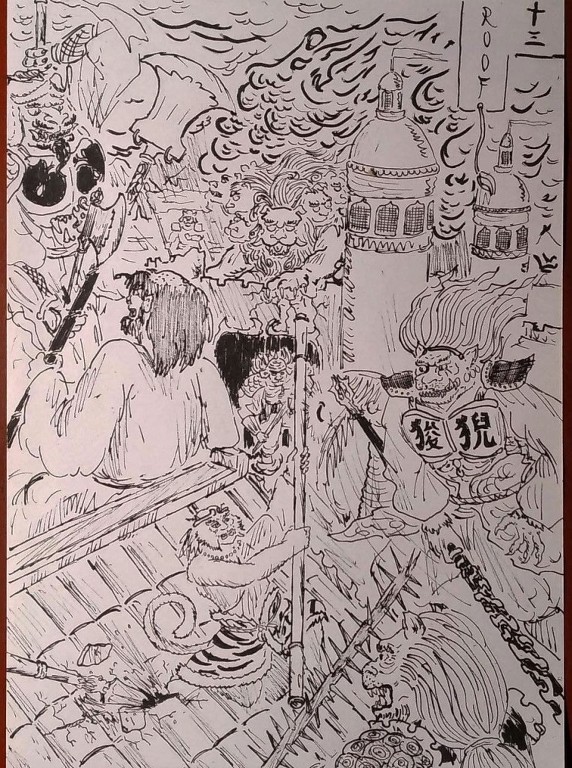
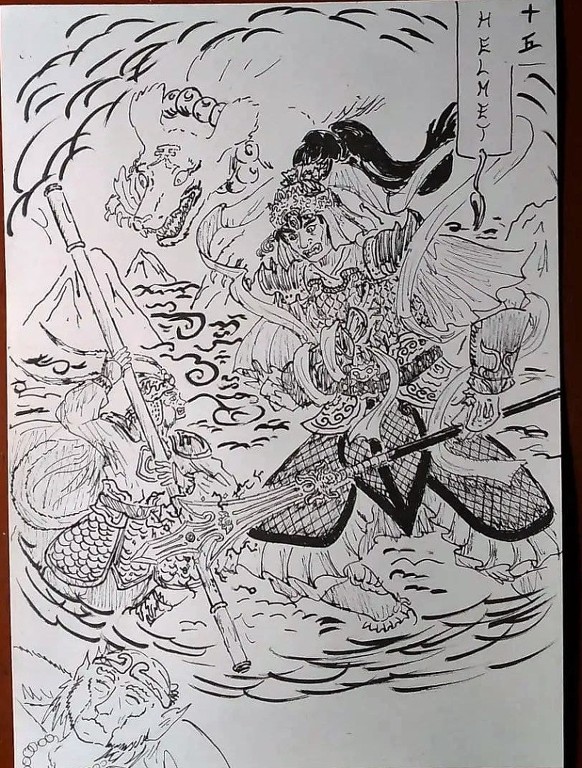
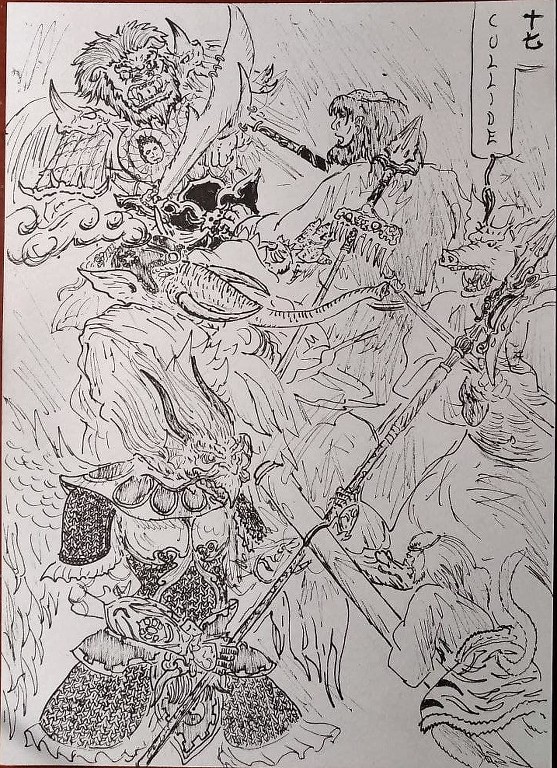
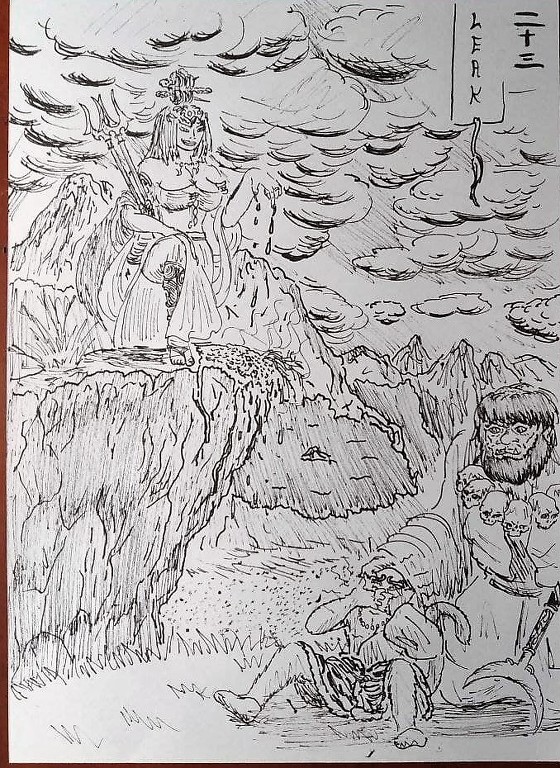
This 17-chapter novelette, which likely served as a prompt for oral storytellers, is the earliest known printed edition of the JTTW story cycle. It involves the adventures of Tripitaka and Sun Wukong’s antecedent, the “Monkey Pilgrim” (Hou xingzhe, 猴行者). The tale is translated by Charles S. Wivell.

Archive #37 – The 13th-Century Version of Journey to the West

See also my chapter-by-chapter description and analysis here:

The Story of How Tripitaka of the Great Tang Procures the Scriptures: The Literary Precursor of Journey to the West

2. The Original

2.1. Journey to the West (Xiyou ji)

A. English

A.1. Complete

1) This is a PDF for The Journey to the West (2012 Rev. ed.) translated by Anthony C. Yu.

Archive #11 – PDFs of the Journey to the West 2012 Revised Edition

2) This is a text PDF for Journey to the West (1993/2020) translated by W. J. F. Jenner.

PDF File

Click to access Wu-Chengen-Journey-to-the-West-4-Volume-Boxed-Set-2003.pdf

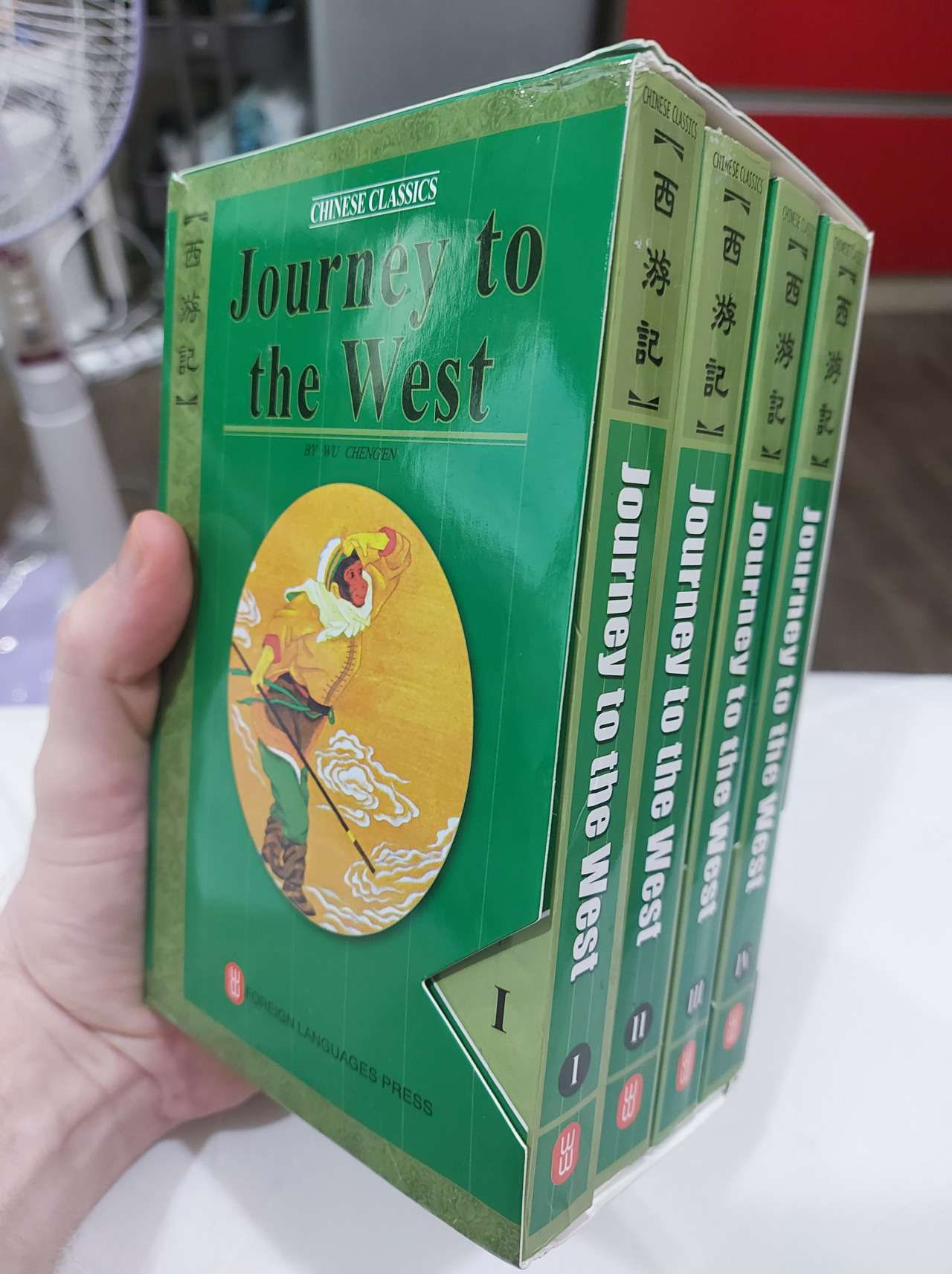
The four-volume box set in my collection (larger version).

A.2. Abridged

1) This is a PDF for Monkey (1942/1984) translated by Arthur Waley in 30 chapters (1 to 15, 18 and 19, 22, 37 to 39, 44 to 46, 47 to 49, and 98 to 100). See past book covers here.

PDF File

Click to access Wu-Chengen_-Arthur-Waley-Monkey-Grove-Press-1984.pdf

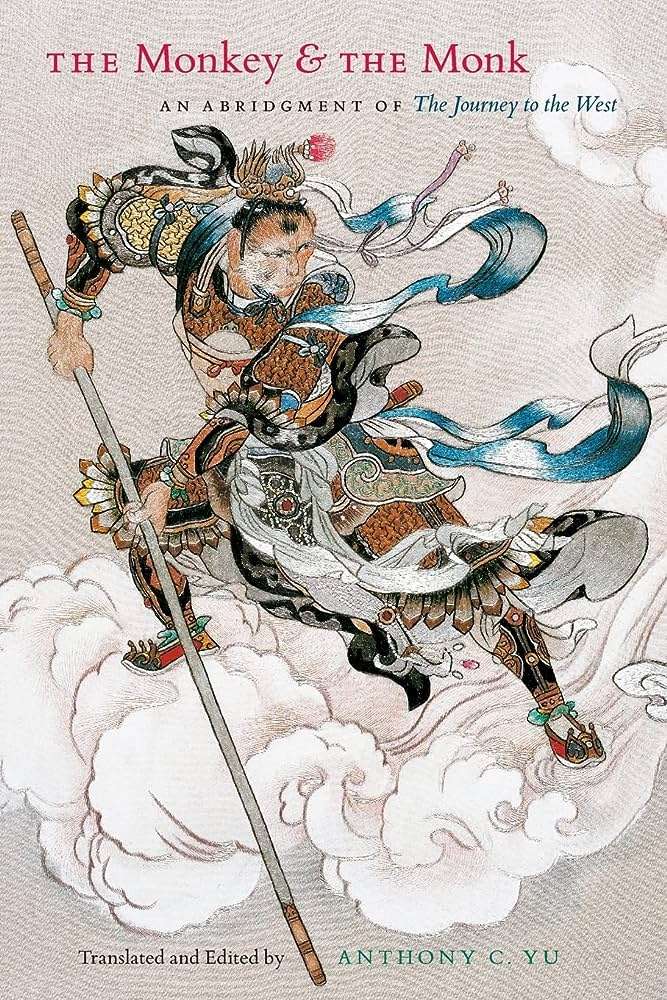
2) This is a PDF for The Monkey and the Monk (2006): An Abridgement of The Journey to the West translated by Anthony C. Yu in 31 chapters (1 to 15, 18 and 19, 22 and 23, 44 to 46, 53 to 55, 57 and 58, 84, and 98 to 100)

PDF File

Click to access Anthony-C.-Yu-The-Monkey-and-the-Monk_-An-Abridgment-of-The-Journey-to-the-West-2006.pdf

The official cover (larger version)

A.3. Audiobook

1) I just learned of “The Fifth Monkey” and their Journey to the West – An Audio Drama Series, which presents a new English translation alongside the original Chinese. They explain:

One reason that led our team to start this audio drama project is to correct some of the mistranslations found in the Yu/Jenner translations. Most of them are very minor and we certainly understand what could have led to those mistakes, but we think it is worth exploring how we can help bring a more accurate presentation of the original text in the English language (source).

The official logo (larger version).

2) YouTuber Sondley has recorded himself reading all 100 chapters of the Jenner edition.

B. French

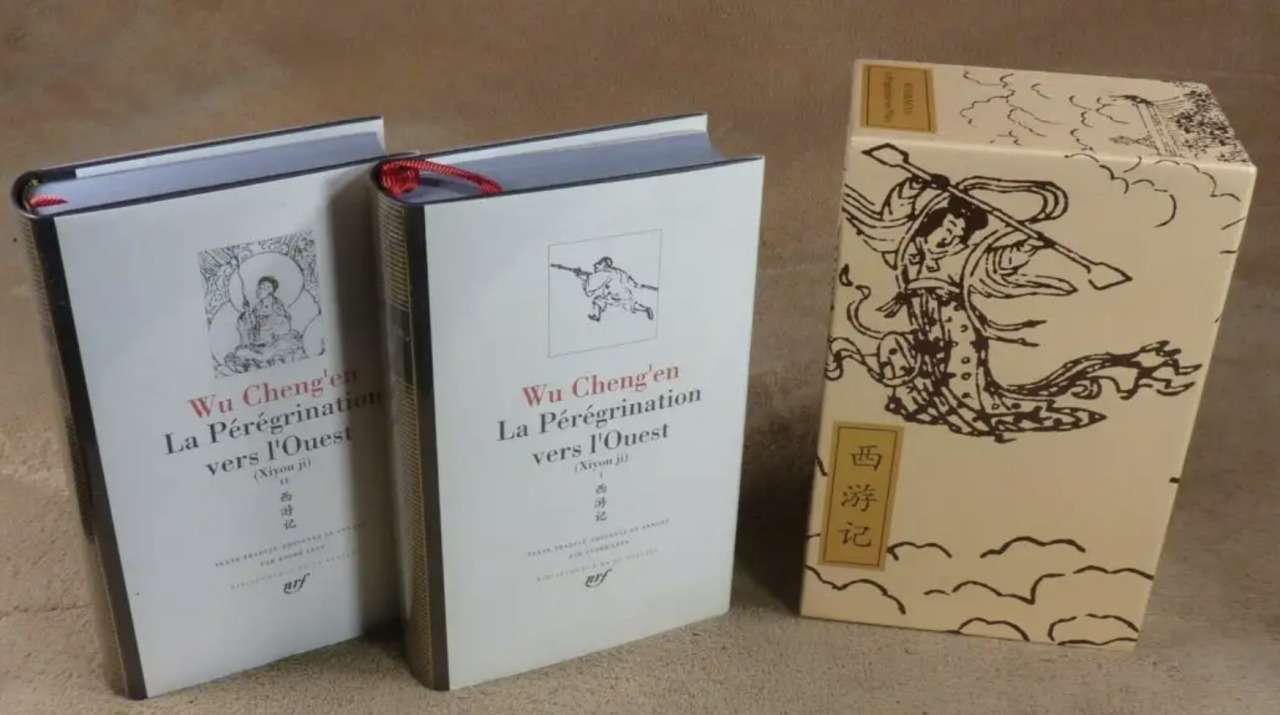
These are PDFs for La Pérégrination vers l’Ouest (Xiyou ji) (1991) translated by André Lévy in 100 chapters. I was told by one French academic that this edition “is one of the best available in Western languages.”

Thank you to arcanananas on Tumbler for volume one, and thank you to jyeet on the Journey to the West discord for volume two.

PDF Files

Vol. 1https://journeytothewestresearch.com/wp-content/uploads/2024/11/La-peregrination-vers-lOuest-v.1.pdf

Vol. 2https://journeytothewestresearch.com/wp-content/uploads/2023/08/French-JTTW-la-peregrination-vers-louest-Vol-2.pdf

The original two-volume boxed edition (larger version). Image found here.

C. German

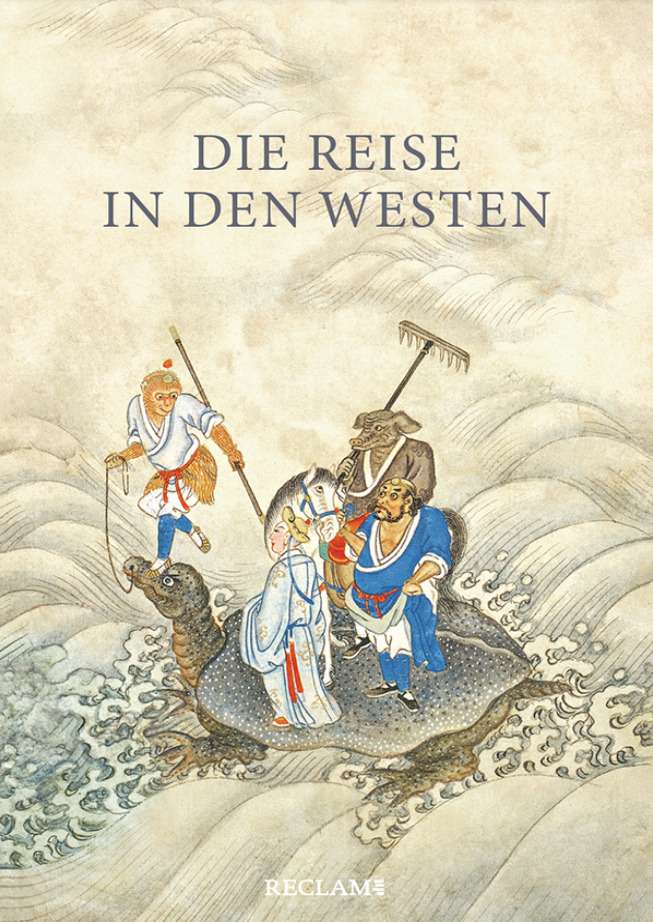
This is a PDF for Die Reise in den Westen. Ein klassischer chinesischer Roman (2016) translated by Eva Lüdi Kong in 100 chapters. It was awarded the Leipzig Book Fair prize in 2017. This version was converted from an ebook.

PDF File

Click to access German-JTTW-Die-Reise-in-den-Westen.pdf

The official cover (larger version)

D. Hungarian

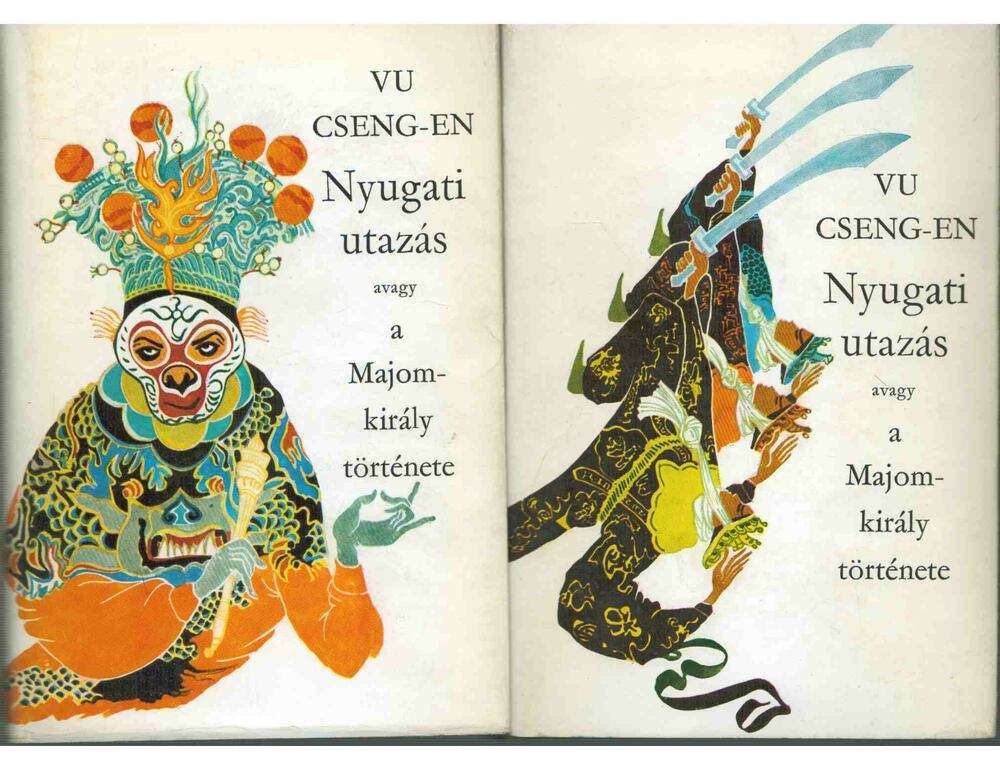
These are text PDFs for Nyugati utazás: avagy a majomkirály története (1969/1980) translated by Barnabás Csongor in two volumes. While the work covers the full 100 chapters, I’ve been told that it deletes the poems and occasionally paraphrases long-winded sections of text.

Thank you to Twitter user Jakabfi Károly for locating the files.

PDF Files

Vol 1https://journeytothewestresearch.com/wp-content/uploads/2023/08/Hungarian-JTTW-Nyugati-Utazas-Vol-1.pdf

Vol 2https://journeytothewestresearch.com/wp-content/uploads/2023/08/Hungarian-JTTW-Nyugati-Utazas-Vol-2.pdf

The official covers for volumes one and two (larger version). Image found here.

E. Italian

[Note 10-19-23: I was asked by the publisher to remove the PDF from the archive. I’m leaving the title here so others will know that an Italian translation exists.]

The Italian text is called Viaggio in occidente (1998/2008). It was translated by Serafino Balduzzi and published in two volumes. It is based on the French edition published in 1991. The work covers all 100 chapters.

F. Polish

This is a PDF for Małpi bunt (1976) translated by Tadeusz Żbikowski. It is a 14 chapter abridgement of the first 20 chapters of the original.

Thank you to Twitter user Friend_Pretend for locating the file.

PDF File

Click to access Polish-JTTW-Malpi-bunt-1976.pdf

The official cover (larger version).

G. Romanian

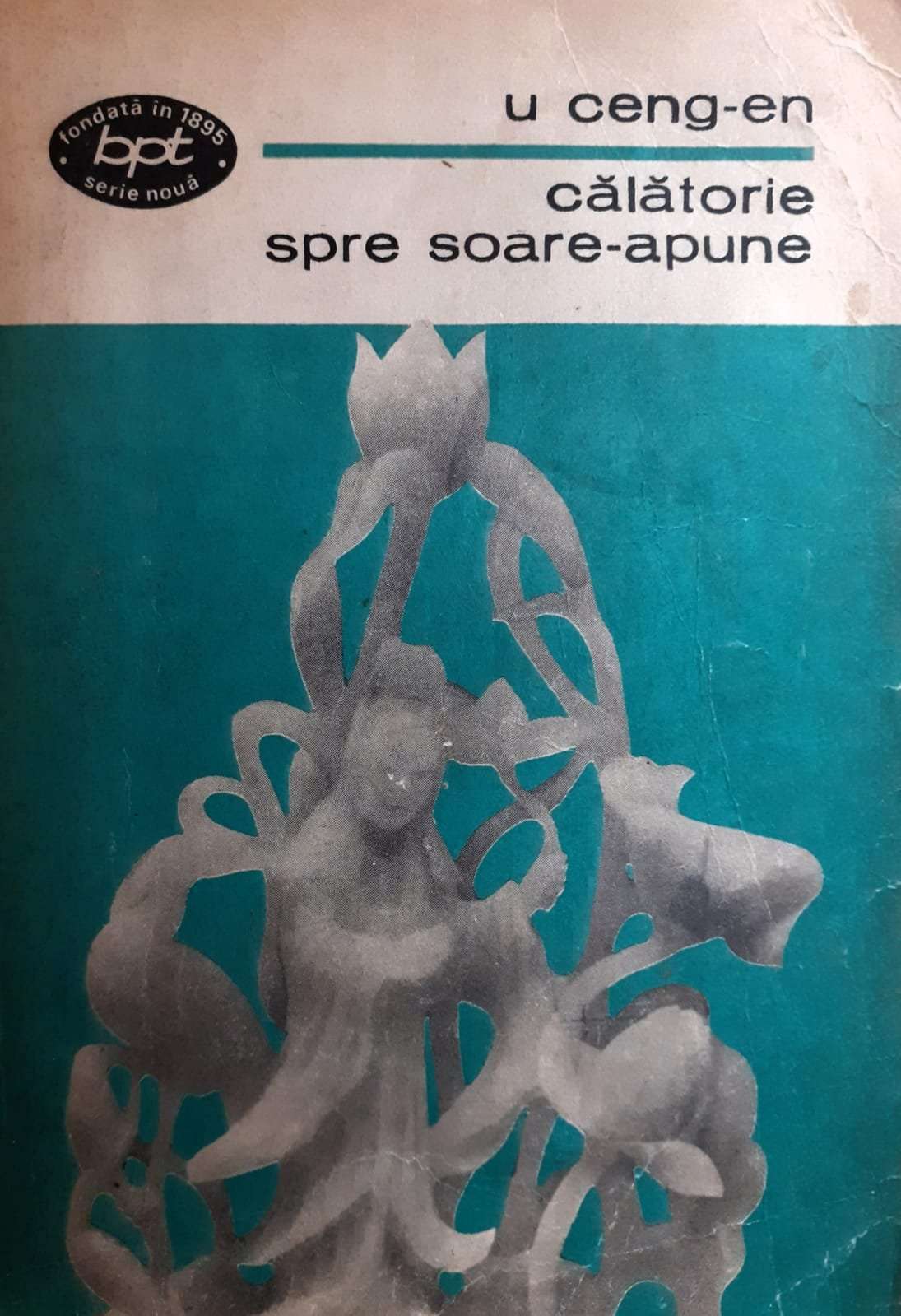
This is a text PDF for Călătorie spre soareapune (1971) translated by Corneliu Rudescu and Fănică N. Gheorghe. It appears to be an abridgment.

Thank you to greencicadarchivist on the Journey to the West discord for locating the file.

PDF File

Click to access Romanian-JTTW-U_Ceng_En_Calatorie_Spre_Soare_Apune_pdf.pdf

The official cover (larger version).

H. Russian

H.1. Complete

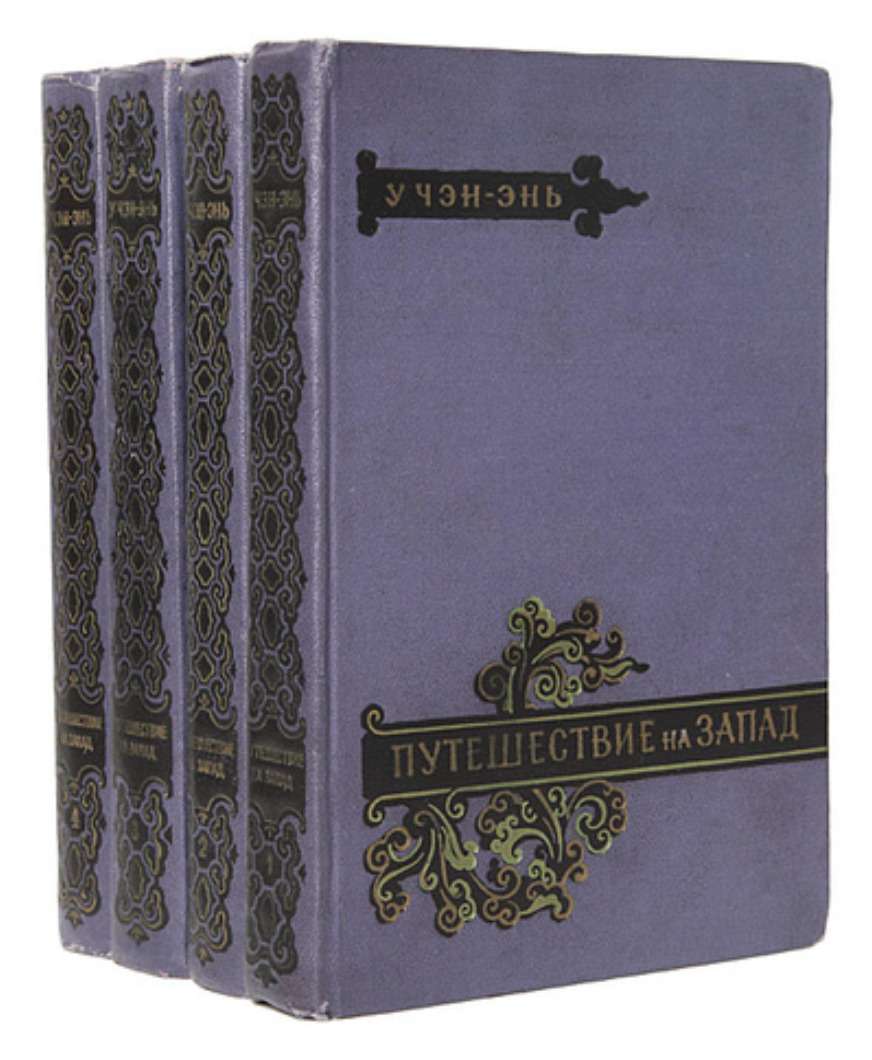
These are PDFs for Путеше́ствие на За́пад (1959) translated by A. Rogachev (vols. 1-2) and V. Kolokolov (vols. 3-4). It covers all 100 chapters.

PDF Files

Vol 1https://journeytothewestresearch.com/wp-content/uploads/2023/08/Russian-JTTW-Puteshestvie_Na_Zapad_T_1_-1959-Vol-1.pdf

Vol. 2https://journeytothewestresearch.com/wp-content/uploads/2023/08/Russian-JTTW-Puteshestvie_Na_Zapad_T_1_-1959-Vol-2.pdf

Vol. 3https://journeytothewestresearch.com/wp-content/uploads/2023/08/Russian-JTTW-Puteshestvie_Na_Zapad_T_1_-1959-Vol-3.pdf

Vol. 4https://journeytothewestresearch.com/wp-content/uploads/2023/08/Russian-JTTW-Puteshestvie_Na_Zapad_T_1_-1959-Vol-4.pdf

The four-volume hardcover edition (larger version).

H.2. Abridged

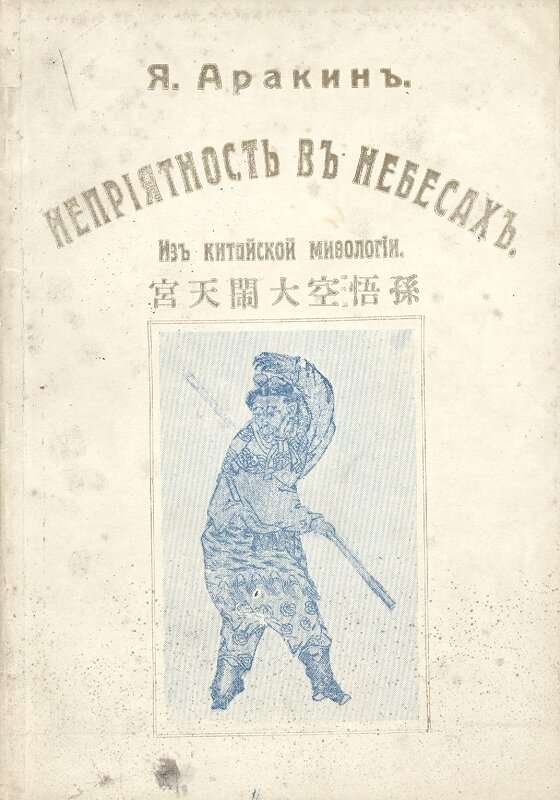
This is a text PDF for Неприятность в небесах. Из китайской мифологии (1926) translated by Yakov Arakin. It is a poetic retelling of the first seven chapters of the novel.

Thank you to Adelar Eleramo for locating the file.

PDF File

Click to access Russian-JTTW-poem-Yakov-Arakin.pdf

The official cover (larger version).

I. Spanish

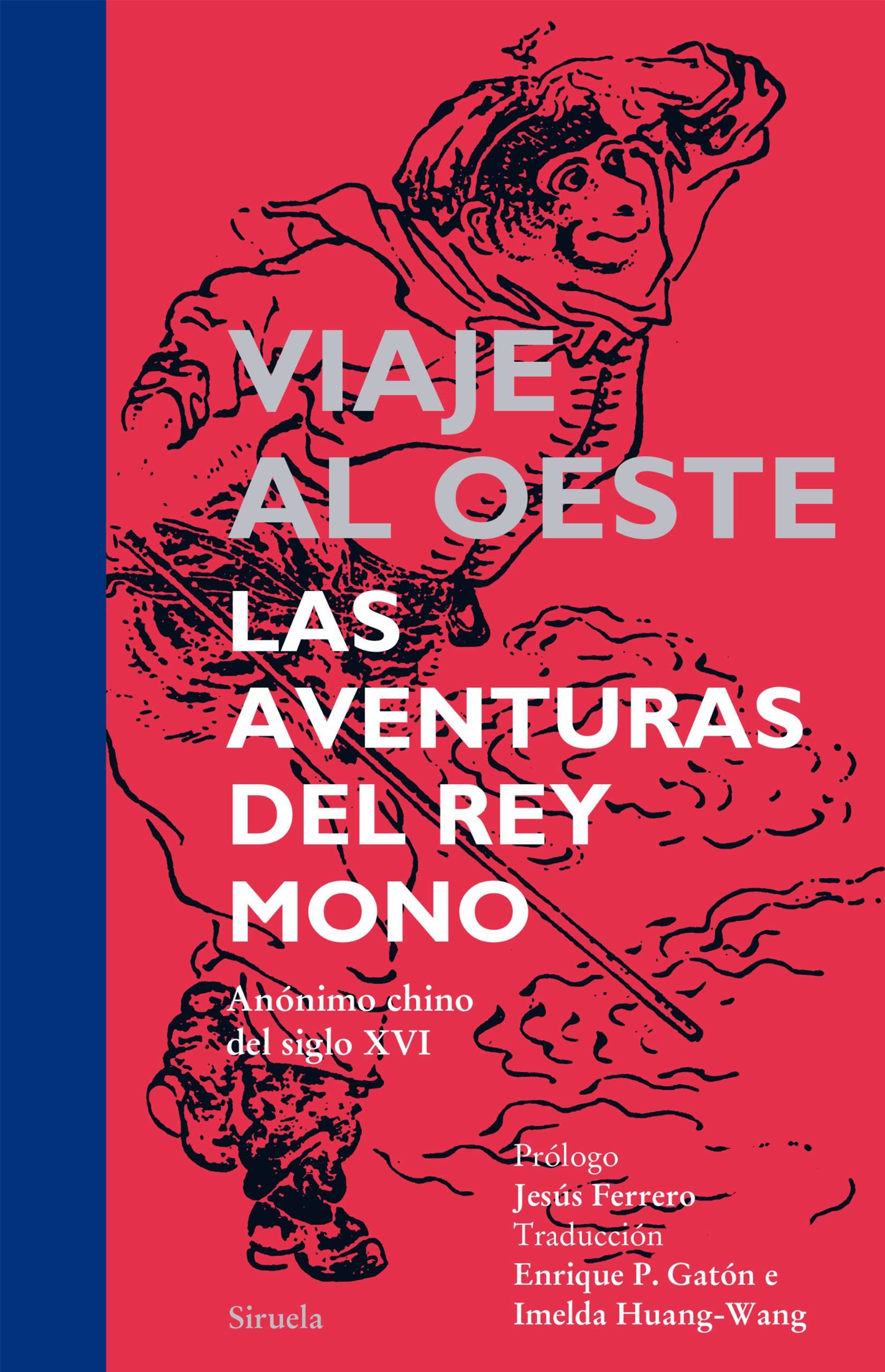
This is a text PDF for Viaje al Oeste: Las aventuras del Rey Mono (2022) translated by Enrique P. Gatón and Imelda Huang-Wang in 100 chapters.

PDF File

Click to access viaje-al-oeste-las-aventuras-del-rey-mono.pdf

The official cover (larger version)

J. Thai

This is a PDF for ไซอิ๋ว (2004/2010). It appears to be based on a four-volume edition translated by one Mr. Tin (นายติ่น) and published from 1906 to 1909. I believe it covers all 100 chapters.

Thank you again to greencicadarchivist for locating the file.

PDF File

Click to access Thai-JTTW-ไซอิ๋ว.pdf

The official cover (larger version)

K. Turkish

This is a PDF for Batı’ya Yolculuk (n.d.). I’m not sure who it was translated by. It appears to be all 100 chapters.

PDF File

Click to access Batiya-Yolculuk.pdf

The official cover (larger version)

L. Vietnamese

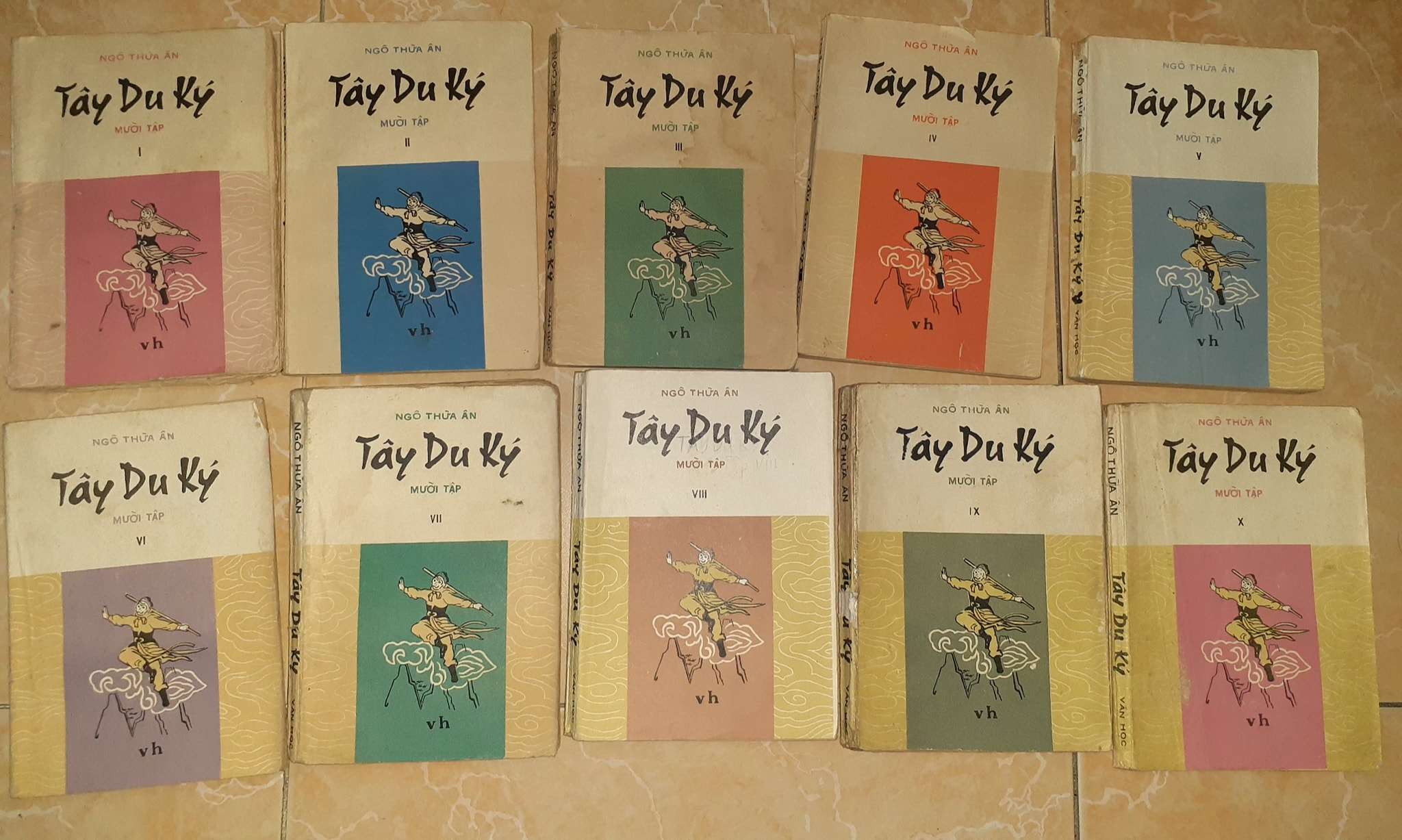
This is a text PDF for Tây Du Ký translated by Như Sơn, Mai Xuân Hải, and Phương Oanh. The 100 chapters were originally split between 10 volumes and published from 1982 to 1988. The volumes were later transcribed and combined to make a single eBook via an online community in 2013 (see here). I have converted it into a PDF.

PDF File

Click to access Vietnamese-JTTW-Tay-Du-Ky.pdf

The covers for the original ten volumes (larger version). Image found here.

3. Unofficial Sequels

3.1. A Supplement to the Journey to the West (Xiyoubu)

A. English

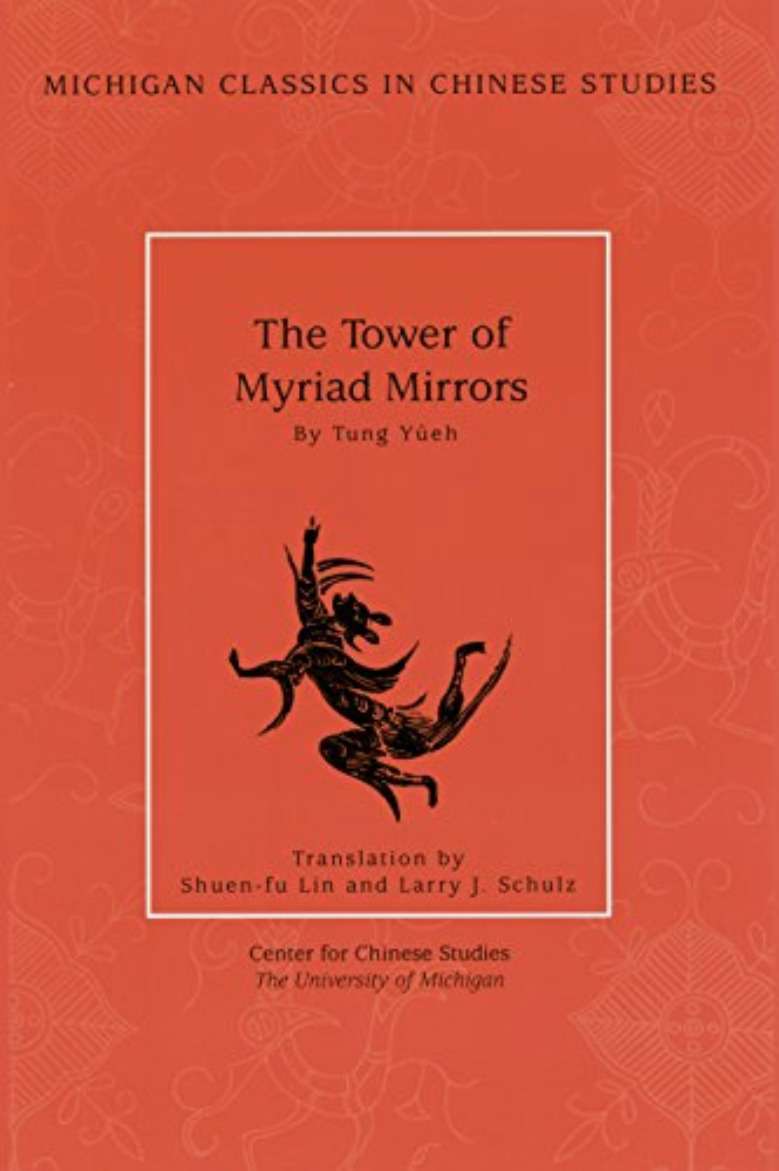
1) This is a PDF for Tower of Myriad Mirrors: A Supplement to Journey to the West (2000) translated by Shuen-fu Lin and Larry J. Schulz. This version was converted from Mobi.

See my previous article on the tale here.

PDF File

Click to access English-Xiyoubu-Lin-Shuen-fu_Dong-Yue-Schulz-Tung-Yueh-The-tower-of-myriad-mirrors_-a-supplement-to-Journey-to-the-West.pdf

The official cover (larger version)

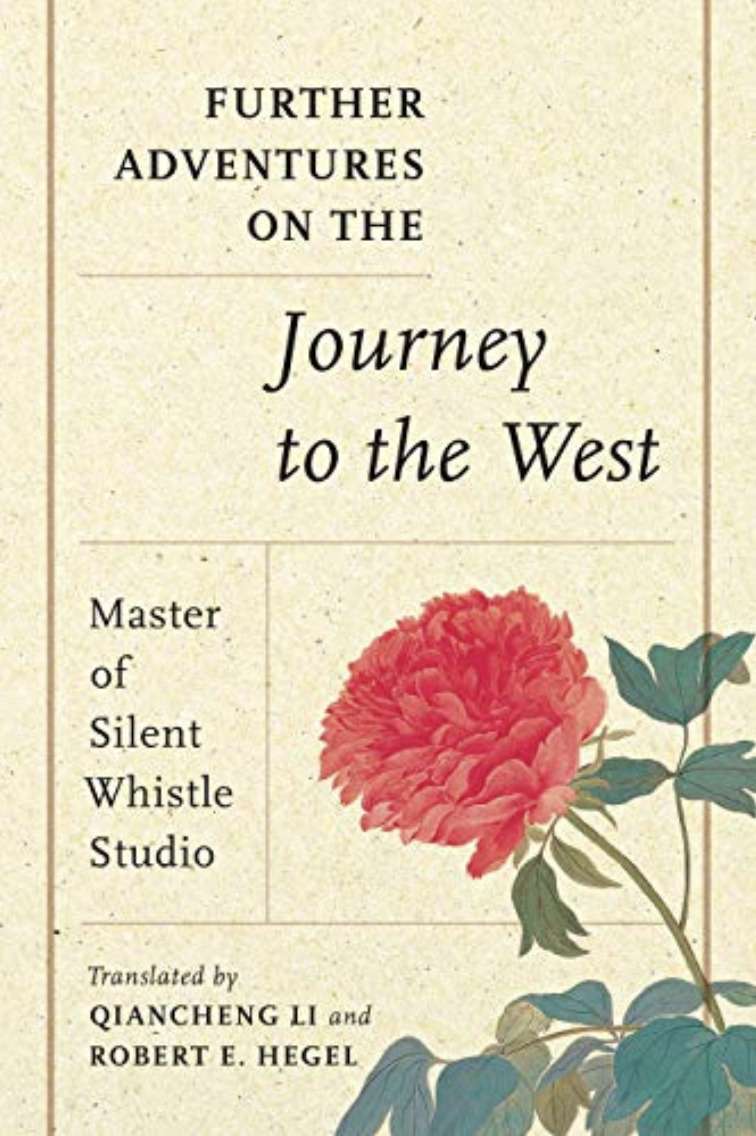
2) This is a PDF for Further Adventures on the Journey to the West – Master of Silent Whistle Studio (2020) translated by Qianchng Li and Robert E. Hegel.

PDF File

Click to access Further-Adventures-on-the-Journey-to-the-West-Master-of-Silent-Whistle-Studio-2020.pdf

The official cover (larger version)

B. Hungarian

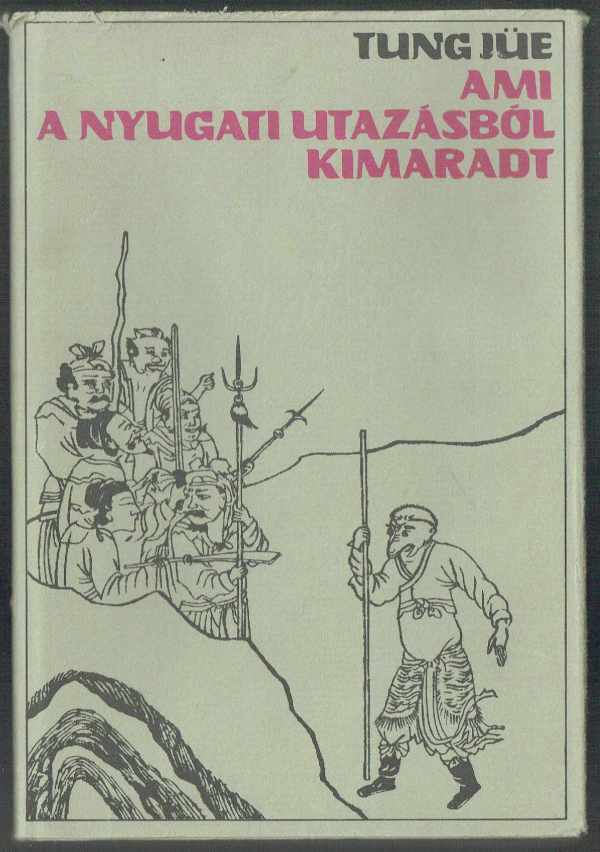
This is a text PDF for Ami a nyugati utazásból kimaradt (1957/1980) translated by Barnabás Csongor.

My thanks again to Twitter user Jakabfi Károly.

PDF File

Click to access Hungarian-Xiyoubu-tung_jue_ami_a_nyugati_utazasbol_kimaradt.pdf

The official cover (larger version).

3.2. Later Journey to the West (Hou Xiyouji, 後西遊記, 17th-century) 

A. Chinese-English

This 41-chapter book has been translated into English with AI by the Chinese Text Project (Ctext). You can READ IT HERE (turn off your VPN for access). The novel does not yet have an official translation.

See my previous articles on the subject here, here, and here.


Update: 08-17-23

I forgot to mention that I have previously archived two other Chinese classics. The first is Creation of the Gods (Fengshen yanyi, 封神演義, c. 1620; a.k.a. Investiture of the Gods), a sort of prequel to JTTW.

Archive #17 – PDFs of Creation of the Gods Library of Chinese Classics Chinese-English Bilingual Edition (Vols. 1-4)

The second is Journey to the South (Nanyouji南遊記, c. 1570s-1580s). This is NOT a direct sequel to JTTW. It instead follows the adventures of a martial god from Chinese folk religion. However, Sun Wukong makes a guest appearance in chapters one and seventeen.

Archive #40 – Journey to the South (Nanyouji) English Translation PDF


Update: 04-06-26

There is also Three Kingdoms (Sanguo yanyi三國演義; lit: “Romance of the Three Kingdoms,” 14th century.).

Archive #52 – PDFs of the Three Kingdoms Foreign Language Press English Translation (Vols. 1-4)

And Outlaws of the Marsh (a.k.a. Water MarginShuihu zhuan, 水滸傳, c. 1400).

Archive #53 – PDFs of Outlaws of the Marsh (a.k.a. Water Margin) Foreign Language Press English Translation (Vols. 1-4)

Journey to the West Artist Spotlight #2: NinjaHaku21

From time to time I like to post a fun blog not directly related to (though sometimes informed by) my research. Regular articles will resume after this entry.

Last updated: 05-09-2023

Anyone who has read my blog will know that I’m an avid fan of researching the history and influences of Journey to the West (Xiyouji, 西遊記, 1592). But as an artist, I am also a fan of JTTW-related artwork. There are so many talented people in the world who post their traditional and original designs and comics online, so I’ve decided to feature some of them on my blog. My hope is that such posts will expose this art to a wider audience interested in JTTW, while also documenting modern day perceptions and depictions of the novel and its characters.

Our next artist is NinjaHaku21, who goes by @NinjaHaku21_Art on both Twitter and Instagram and @NinjaHaku21Art on Tumblr.  They also have a Patreon and an Etsy storeThey were kind enough to answer some interview questions, as well as allow permission to display a few of their pieces.

I. Q & A

1) Can you tell me a little about yourself?

Hi there! I go by Ninja, and I am a freelance artist! I recently just started my freelancing career this year, and work on a few indie comics along with thumbnails for youtube!

2) Are you self-taught or did you go to art school?

I am self taught! I always wanted to go to art school, but life had other plans in mind!

3) What are your main sources of artistic inspiration?

While growing up, comics for sure! Was a huge fan of sonic comics, and now, it’s a mix of that and other media!

4) How did you learn about Journey to the West?

I learned about the Journey To The West after watching the show LEGO Monkie Kid! My friends and I have seen clips of it on twitter, and so we binged the entire series up to date. I was so interested in the characters and the world, I had to look up more. I then discovered the novel and was hooked. I am still looking into more movies to see their take on the novel!

5) Who is your favorite character?

Sun Wukong! He grows so much throughout the story and faces so many challenges. It’s hard not to love this murderous Monkey King who seeks redemption.

6) Do you have a favorite episode from the novel?

That’s a tough one! I think my favorites have to be the Six- Eared Macaque, the battle with Red Boy, and the Immortals of Tiger, Elk, and Antelope Power!

7) Does the novel have a special meaning to you?

To me, seeing what the characters have acted before in the past and seeing them grow and learn makes me happy. It helps me remember that even though you may have done some awful stuff in the past, you can still make a difference and grow from it.

8) Can you tell me about any ongoing JTTW-related projects?

Currently I am working on my own designs of the characters for fun! Making illustrations about my versions of them, and making some merch of the designs for my shop!

II. Art and Thought Process

Note: Click each image to enlarge it.

1. Ever since I started reading Journey To The West and watching movies with the Monkey King or anything JTTW-related, I wanted to create my own take of the characters. With this piece, I was seeing how my designs would look with all of them together! I had rough sketched out some draft looks that got inspired by different pieces of them from either shows, movies, or ancient drawings of them, then fit in what I liked most and created this piece! I wanted to have them express their own personality through the look, and I am quite proud of the final results! I imagined some unlucky villager getting a visit from these “ugly demons” and their Master asking for a place to visit.

2. With this piece, I wanted to capture a fun moment on their journey to the west. These guys have to deal with so much while trying to protect their master, so I figured giving them a nice snow day would be a fun thing to draw!

3. The Six-Eared Macaque. Definitely one of my favorite characters from the stories. I wanted to show him off along with the opera mask, kind of symbolizing him transforming into Wukong to trick his companions.

4. I wanted to put these three pieces together, showing how Sun Wukong acts around his companions and Master.

I know for sure Wukong and Zhu Bajie argued a lot, and I haven’t seen any issues between Sha Wujing and Wukong (still reading and learning) and figured they’d have some nice conversations. And of course, Wukong protects his master from a group of hungry demons or bandits!

5. Now this one I did decide on having some fun on creating my own version of a “spider queen” (I know there wasn’t a queen in the story, but it was still fun)! I based this loosely around the chapter with the spider sisters, making the eldest one the queen. I had a fun time drawing this out, making the eldest have a thing for Wukong, haha!

(Jim here. This reminds me of the Scorpion Spirit having a thing for Tripitaka.)

6. In this piece here, I wanted to have my design of Nezha interacting with Wukong. I based Nezha’s design on a few different inspirations (some being from the Monkie Kid series and ancient art of the deity), and descriptions from the story. I also wanted to add in a dragon tattoo, sort of as a remembrance of what Nezha had done in the past. But this picture was to show the type of relationship these two have. Nezha would definitely feel a bit salty of losing to Wukong all those years ago!


Update: 05-09-23

I commissioned NinjaHaku21 to draw a religiously accurate illustration of Sun Wukong as the “Victorious Fighting Buddha.” It is based on the traditional iconography of the Yuddhajaya Buddha, the deity from which his religious title is derived. The results are stunning!


Journey to the West Artist Spotlight #1: Dario Virga

From time to time I like to post a fun blog not directly related to (though sometimes informed by) my research. Regular articles will resume after this entry.

Anyone who has read my blog will know that I’m an avid fan of researching the history and influences of Journey to the West. But as an artist, I am also a fan of JTTW-related artwork. There are so many talented people in the world who post their traditional and original designs and comics online, so I’ve decided to feature some of them on my blog. My hope is that such posts will expose this art to a wider audience interested in JTTW, while also documenting modern day perceptions and depictions of the novel and its characters.

Our first artist is Dario Virga, who goes by Onibotokemaru on Instagram. They were kind enough to answer some interview questions, as well as allow permission to display a few of their pieces.

I. Q & A

1) Can you tell me a little about yourself?

Real name Dario Virga, from Italy (Piedmont). Interest in eastern culture and literature, mostly from Japan and China.

2) Are you self-taught or did you go to art school?

Self-taught, though I had some help from someone who went to art school.

3) What are your main sources of artistic inspiration?

Usually animals and characters/elements taken from mythology and literature.

4) How did you learn about Journey to the West?

My very first contact with Journey to the West was back when I was younger, in a book about Chinese myths. Later I found an integral translation done by Serafino Balduzzi (translated from a French one).

5) Who is your favorite character?

Tough question, but I like most of the characters. If forced to choose, I’d say Pigsy for the good guys and the Bull Demon King for the villains.

6) Do you have a favorite episode from the novel?

Probably the whole Gold Horn & Silver Horn arc.

7) Does the novel have a special meaning to you?

Not a special meaning per se, but it was a novel I really enjoyed, both for the setting, the narration, the characters within and watching them grow.

8) Can you tell me about your ongoing JTTW-related projects?

Plan to make a gallery of, if not all, at least a huge amount of the novel’s characters.

II. Art and Thought Process

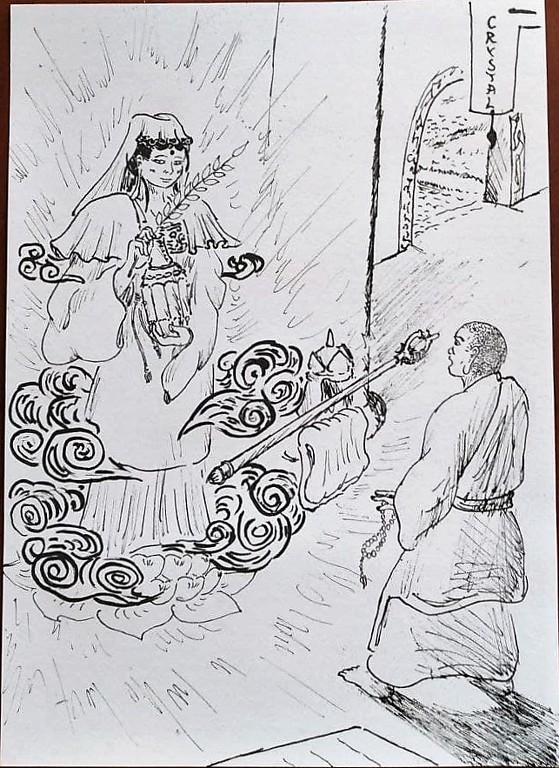
1. As the opening drawing of the Xiyouji-themed Inktober set, I’ve decided to focus not on Sun Wukong himself but rather on Tripitaka, the monk, as Guanyin Pusa appears before him to assign him the quest for the sutras. Guanyin’s reference are commonly-found icons and statues. Between the two of them float the items Tripitaka receives (the cossack, nine-ringed staff and hat).

(Larger version)

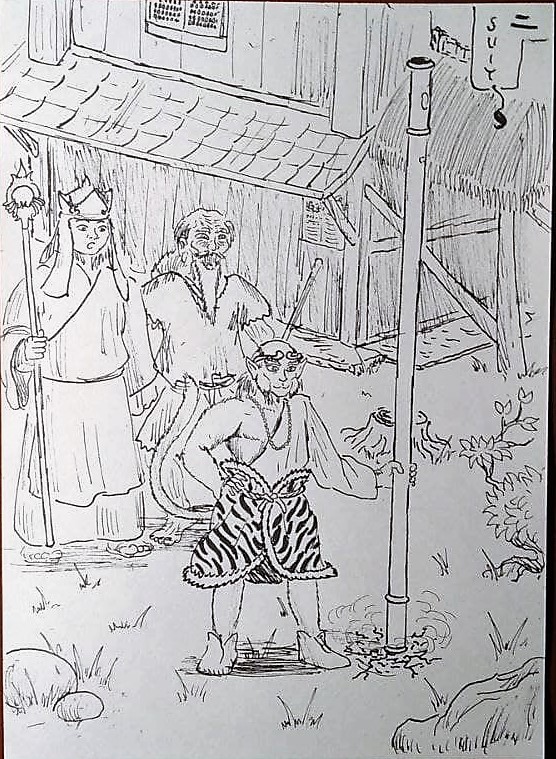
2. This is the first time I depict Sun Wukong in the series, and I did it based his design on an article written on this very blog, trying to stick as much as possible to his literary description, especially regarding the clothing (monk’s shirt and tiger pelt kilt held by a rope), short stature, simian face and bald spot on the top of the head (converted to Buddhism). I gave him long spike-like hair in the back because otherwise his head felt too small. The Ruyijingubang has a rather simple design, as I never liked its depictions with pommels on both ends. I also tried to make the inscriptions on the shaft, but ultimately gave up, admittedly.

(Larger version)

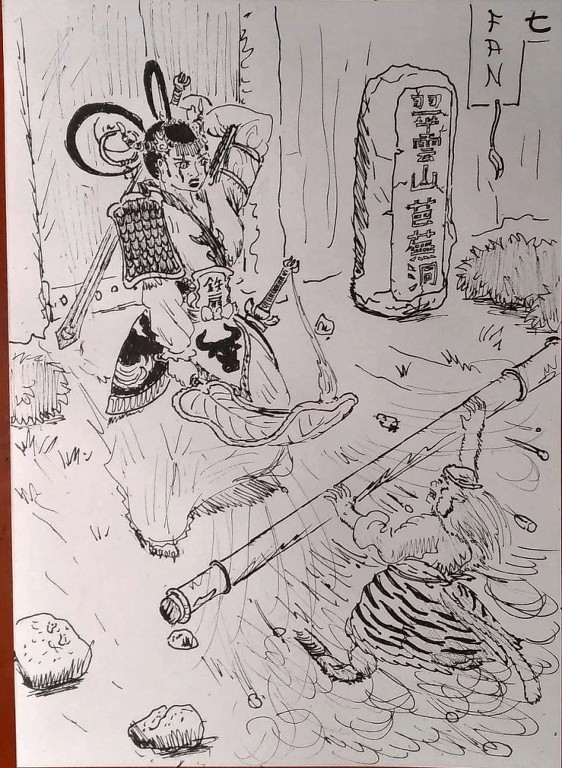
3. This picture has Sun Wukong fighting against the Iron Fan Princess, who sends him flying away with her Banana Leaf Fan. Once again, I wanted to show how small Monkey is (in comparison to nearly everyone else, though I’m not always 100% consistent) and remind that the Ruyijingubang can increase in both length and width, as seen here where he tries to use it as a shield to block the wind, unsuccessfully. Also of note, the massive stone pillar on which the “address” of the Iron Fan Princess is written.

(Larger version)

4. This one isn’t based on any specific event, but it’s here to bring out two topics: the first is the size of the party members, which I always tried to keep consistent (and tried is the keyword). The idea is that Sun Wukong is the smallest of the group (4 feet), then we have Tripitaka, the “normal” one, and the Dragon (horse-sized): Pigsy (here depicted with a hint of boar) is the second tallest but also the fattest, while Sandy is the tallest of the party (and definitively not a Kappa). The second one is Sha Wujing’s weapon: while it’s usually depicted as a Monk Spade, the actual name is the “Demon-Subduing Treasure Cane” (降魔宝杖, Xiangmobaozhang), making it a stick/staff. However, it’s also worth a mention that the Monk Spade is sometimes called “Zen Cane” (禪杖, Chanzhang), a term which also refers to the ringed staff used by monks. Admittedly, I liked the spade version the most, though I plan to depict this weapon as a staff when Sandy is in his celestial marshal/arhat forms, implying that the staff changed into a spade when he fell from Heaven.

(Larger version)

5. The big battle between Sun Wukong and the Lion Demons working for the Great Sage Nine Spirits (seen in the background, in his giant nine-headed form): this was mostly done because it was one of the rare parts of the book where Sandy actually fights the monsters alongside Sun Wukong (as Pigsy was captured), as well as an attempt to make a big battle scene.

(Larger version)

6. The only god who actually beat Monkey, Erlang Shen. Since the Inktober was focused on the journey itself, I’ve decided to depict their battle as a bad dream. This time, Monkey wears his old, stylish outfit he got from the Dragon Kings, while Erlang is in full battle regalia, including his “Sanjiang Lianrendao” (三尖两刃刀 Three-pointed, Double Edged Glaive) and his Heavenly Roar Dog.

(Larger version)

7. The clash between the three pilgrims and the three Demon Kings of Lion Camel Mountain, from top to bottom: the Blue-Haired Lion vs Sha Wujing, the Yellow-Tusked White Elephant vs Zhu Bajie and the Golden-Wings Peng King vs Sun Wukong. The design of the three kings was based on a series of pictures I loved very much. Once again, a reminder that Wukong’s staff can widen as well.

(Larger version)

8. Sun Wukong fights the three Rhino Kings, who’re kidnapping Tripitaka. This time I wanted to depict Monkey twirling his staff as he fights. Like with the Demon Kings above, the design of the three Rhinos was based on the same set of pictures, even though I remember that in the novel they’re described as “bull-like” in appearence. Particularly like the dust cloud to the right.

(Larger version)

9. Sun Wukong is poisoned by the Scorpion Spirit. Aside from the scenery, I like the scorpioness. I’ve noticed in several arts (even old ones) that she sports a relatively skimpy outfit. As of her weapon, mentioned to be a “fork/trident” in the book, I’ve seen plenty of depictions with both the single trident version and the smaller, dual trident version.

(Larger version)

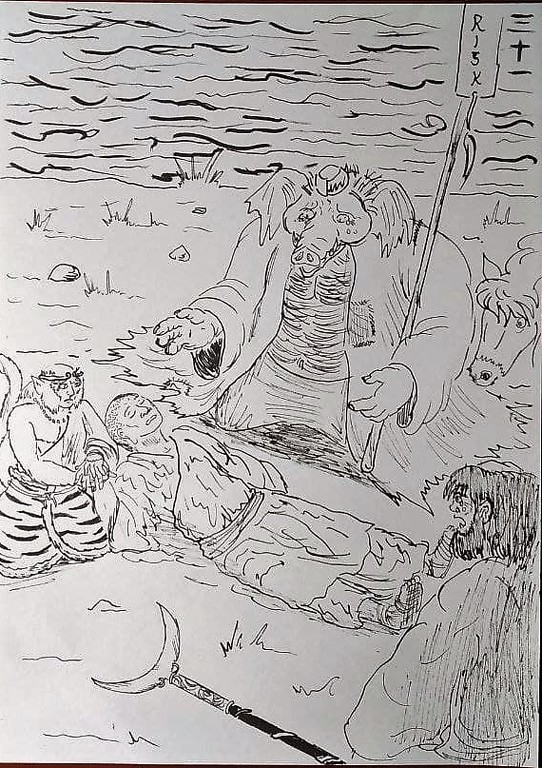
10. As a bookend, I’ve depicted a scene from the end of the book, the moment where Tripitaka drowns and ascends to buddhahood, so that he can obtain the sutras properly. This is also to represent one of the things I liked the most from the novel, the gradual growth of the pilgrims and the attachment to Tripitaka as a father figure. [Note: Tripitaka sheds his mortal form as he and his disciples are ferried across a body of water to the Buddha’s paradise. See the paragraph above image one and the material between images two and three in this article.]
(Larger version)