Archive #52 – PDFs of the Three Kingdoms Foreign Language Press English Translation (Vols. 1-4)

Note: My blog is not monetized, so I am not making any money from this post. My hope is that the PDF will make this legendary story more accessible to a wider audience. If you enjoyed the digital version, please, please, please support the official release.

Last updated: 04-06-2026

Here I present a PDF of the Foreign Language Press four-volume boxed set of Three Kingdoms (Sanguo yanyi, 三國演義; lit: “Romance of the Three Kingdoms”; fig. 1) translated by Dr. Moss Roberts. Credited to Luo Guanzhong, this 14th-century Chinese military romance follows the rise to power and careers of sworn brothers Liu Bei/Xuande (劉備/玄德), Guan Yu (關羽), and Zhang Fei (張飛) amid the turmoil of the falling Han Dynasty (202 BCE–9 CE, 25–220 CE) and the rising Three Kingdoms (220–280 CE). The tale contains an astounding 1,000 characters, some historical and some fictional. They range from scheming eunuchs and corrupt government officials to powerful warriors and competing warlords vying for power. 

I’m archiving this book because it has influenced certain aspects of JTTW. For example, while searching the Southern Jambudvipa Continent (China) for a divine master in JTTW chapter one, Sun Wukong is drawn to a woodcutter because he sings a song full of Daoist imagery taught to him by an immortal. The woodcutter subsequently directs Monkey to the abode of a Buddho-Daoist sage. This was likely influenced by the similar way in which Liu Bei comes to find the Daoist strategist Zhuge Liang (諸葛亮) in Three Kingdoms chapter 37. My thanks to Irwen Wong over at the Journey to the West Library blog for bringing this to my attention. He plans to write an article listing at least ten JTTW concepts drawn from Three Kingdoms. I’ll link it here when published online.

This PDF will complement the translations that I’ve previously archived. These include the Journey to the West (Xiyouji, 西遊記, 1592) story cycle (here and here), the four-volume 2000 Library of Chinese Classics Chinese-English bilingual edition of Creation of the Gods (Fengshen yanyi封神演義, c. 1620 CE), and a fan translation of Journey to the South (Nanyouji南遊記, c. 1570s-1580s).

Archive Link:

Click to access Romance-of-the-Three-Kingdoms-Trans.-Moss-Roberts.pdf

Fig. 1 – The four covers of the boxed set edition (larger version). Image found here.


Update: 04-06-26

I have archived a translation of the 100-chapter Foreign Language Press four-volume boxed set of Outlaws of the Marsh (a.k.a. Water MarginShuihu zhuan, 水滸傳, c. 1400).

Archive #53 – PDFs of Outlaws of the Marsh (a.k.a. Water Margin) Foreign Language Press English Translation (Vols. 1-4)

Citation:

Luo, G. & Roberts, M. (2001). Three Kingdoms (Vols. 1-4). Beijing: Foreign Language Press. (Original work published 1995)

Archive #50 – Heracles as Vajrapani

Last updated: 10-04-2025

I’ve previously archived a book about wrathful protectors of Buddhism due to their likely influence on Sun Wukong. One such protector is Vajrapāṇi (Sk: वज्रपाणि), the so-called “Bodhisattva holding the Vajra (Thunderbolt)” (Jingang shou pusa, 金剛手菩薩). This Yakṣa-turned-Dharmapāla is often portrayed in religious art as a muscular, club-wielding guardian of the Buddha. What’s interesting, though, is that this depiction can be traced to representations of the Greco-Roman hero HeraclesHercules (Ἡρακλῆς; Ch: Helakelesi, 赫拉克勒斯) that passed from Greece into Central Asia and India and eventually to China over a period of several hundred years (Flood, 1989; Hsing & Crowell, 2005; Galinsky, 2020). The Greco-Buddhist art of Gandhara (modern day Afghanistan and Pakistan) is an early example of this converging iconography (fig. 1).

I’ve decided to archive three papers on the subject for a few reasons: 1) it’s such a fascinating topic; 2) it compliments two of my previous articles about Monkey and Heracles-Hercules (here and here); and 3) the information will be used in a future story idea pitting Wukong against the demi-god (see the 10-04-25 update below). Said piece will also briefly discuss times when the primate immortal and Vajrapāṇi have crossed paths in historical literature and folklore.

Fig. 1 – Detail of a stone carving of the Buddha preaching while Heracles-Vajrapāṇi watches over him, Gandhara, 2nd-century (larger version). The full image can be seen here. Copyright the Trustees of the British Museum.

1. Archive links

  • Herakles and the ‘Perpetual Acolyte’ of the Buddha: Some Observations on the Iconography of Vajrapani in Gandharan Art (Flood, 1989)

[No abstract]

Click to access Herakles-and-the-Perpetual-Acolyte-of-the-Buddha-Some-Observations-on-the-Iconography-of-Vajrapani-in-Gandharan-Art.pdf


  • Heracles in the East: The Diffusion and Transformation of His Image in the Arts of Central Asia, India, and Medieval China (Hsing & Crowell, 2005)

[No abstract]

Click to access Heracles_in_the_East_Asia_Major_2005_vol.pdf


  • Herakles Vajrapani, the Companion of Buddha (Galinsky, 2020)

[Abstract: Herakles had a continuing and high-profile existence in the east and the crossroads of Asia from the time of Alexander onwards. The Alexander/Herakles portrait and other representations of Herakles appear in Tajikistan, which was absorbed into the Kushan empire. Cultural contact continued with the west throughout the first and second centuries CE under rulers who patronised Buddhism. It is in this context that Herakles, the most popular hero of Greece and Rome, makes his appearance in Buddhist iconography as Vajrapani. In Gandharan art Vajrapani is the Buddha’s faithful companion and protector in scenes of the Buddha’s life from the Great Departure to his death. The paper examines the hybridisation of Herakles/Vajrapani in a number of reliefs and sculptures to demonstrate that this is not a process of borrowing some stylistic details but of considerable familiarity with the Herakles myth. Both Herakles and Vajrapani had many dimensions and their traditions and characteristics had multiple layers, which facilitated their adaptability.]

Click to access Herakles-Vajrapani-the-Companion-of-Buddha.pdf


Update: 08-20-25

It just occurred to me that not everyone is familiar with Heracles/Hercules or Vajrapani, so I have decided to post more info about them.

I’ll start with Heracles. This is an AMAZING resource that I’ve used in a previous article.

  • The Oxford Handbook of Heracles (Ogden, 2021) 

[Blurb: Heracles is the quintessential ancient Greek hero. The rich and massive tradition associated with him encompasses myths of all kinds: quest myths, monster-fights, world-foundational myths, aetiological myths, philosophical myths, allegorical myths, and more. It informs and is informed by every genre and variety of Classical literature. The figure of Heracles opens windows onto numerous aspects of ancient religion, including those of cult, syncretism, Christian reception, the relationship between gods and heroes, and the intersection of religion with politics.

The Oxford Handbook of Heracles is the first large-scale guide to Heracles, his myth-cycle the Twelve Labors, and, to the pervasive impact of the hero upon Greek and Roman culture. The first half of the volume is devoted to the lucid exposition and analysis of the ancient evidence, literary and iconographic, for Heracles’ life and deeds. In the second half, the Heracles tradition is analyzed from a range of thematic perspectives, including the contrasting projections of the figure across the major literary genres and in art; the ways in which Greek communities and even Roman emperors exploited the figure in the fashioning of their own identities and for political advantage; his cult in Greece and Rome and its syncretism with that of the Phoenician Melqart; and Heracles’ reception in later Western tradition.

Presenting, in 39 chapters, the authoritative work of international experts in a clear and well-structured format, this volume provides a convenient reference tool for scholars and offers an accessible starting-point for students.

Click to access The-Oxford-Handbook-of-Heracles-2021.pdf


Next is Vajrapani. I unfortunately don’t know of any dedicated books on the subject, so here are two papers about his presence in Indian Buddhism.

  • Vajrapani in India I (Lamotte, 1966/2003a)

[No abstract]

(Please note that the formatting of this PDF was already wonky when I found it online.)

Click to access Lamotte-–-Vajrapaṇi-in-India-I.pdf


  • Vajrapani in India II (Lamotte, 1966/2003b)

[No abstract]

Click to access Lamotte-–-Vajrapaṇi-in-India-II.pdf

I’ll add more Vajrapani info in the future when I get a chance.


Update: 08-25-25

Here is the entry for Vajrapani in The Princeton Dictionary of Buddhism (Buswell & Lopez, 2014):

Vajrapāṇi. (P. Vajirapāṇi; T. Phyag na rdo rje; C. Jingangshou pusa; J. Kongōshu bosatsu; K. Kŭmgangsu posal 金剛手菩薩). In Sanskrit, “Holder of the VAJRA”; an important bodhisattva in the MAHĀYĀNA and VAJRAYĀNA traditions, who appears in both peaceful and wrathful forms. In the Pāli suttas, he is a YAKṢA (P. yakkha) guardian of the Buddha. It is said that whoever refuses three times to respond to a reasonable question from the Buddha would have his head split into pieces on the spot; carrying out this punishment was Vajrapāni’s duty. In such circumstances, Vajrapāni, holding his cudgel, would be visible only to the Buddha and to the person who was refusing to answer the question; given the frightening vision, the person would inevitably then respond. Vajrapāni is sometimes said to be the wrathful form of ŚAKRA, who promised to offer the Buddha protection if the Buddha would teach the dharma; he thus accompanies the Buddha as a kind of bodyguard on his journeys to distant lands. Vajrapāni is commonly depicted in GANDHĀRA sculpture, flanking the Buddha and holding a cudgel. In the early Mahāyāna sūtras, Vajrapāni is referred to as a yakṣa servant of the bodhisattvas, as in the AṢṬASĀHASRIKĀPRAJÑĀPĀRAMITĀ. In the SUVARṆAPRABHĀSOTTAMASŪTRA, he is called the “general of the yakṣas” (yakṣasenādhipati), and is praised as a protector of followers of the Buddha. In the SADDHARMAPUṆḌARĪKASŪTRA, AVALOKITEŚVARA explains that one of the forms that he assumes to convert sentient beings is as Vajrapāni. In later Mahāyāna and early tantric Buddhism, Vajrapāni becomes a primary speaker in important sūtras and tantras, as well as a principal protagonist in them, and comes to be listed as one of the “eight close sons” (*UPAPUTRA), the principal bodhisattvas. In the MAÑJUŚRĪMŪLAKALPA, as leader of the vajra family (VAJRAKULA), he flanks ŚĀKYAMUNI in the MAṆḌALA. In the SARVATATHĀGATATATTVASAṂGRAHA, his transition from “general of the yakṣas” to “the supreme lord of all tathāgatas” is played out through his subjugation of Maheśvara (Śiva). At the command of the buddha VAIROCANA, Vajrapāni suppresses all of the worldly divinities of the universe and brings them to the summit of Mount SUMERU, where they seek refuge in the three jewels (RATNATRAYA). Only Maheśvara refuses to submit to the Buddha. Through Vajrapāni’s recitation of a MANTRA, Maheśvara loses his life, only to be reincarnated in another world system, where he eventually achieves buddhahood. Vajrapāni’s Yakṣa origins continue in his wrathful aspects, most common in Tibet, such as the three-eyed Caṇḍa Vajrapāni. It is in this form that he is part of a popular triad with Avalokiteśvara and MAÑJUŚRĪ known as the “protectors of the three families” (T. RIGS GSUM MGON PO). These three bodhisattvas are said to be the physical manifestation of the wisdom (Mañjuśrī), compassion (Avalokiteśvara), and power (Vajrapāni) of all the buddhas. Vajrapāni is also said to be the bodhisattva emanation of the buddha AKṢOBHYA and the chief bodhisattva of the vajra family. He himself has numerous forms and emanations, including Mahābāla (who may have developed from his early attendant Vajrapuruṣa), Vajrasattva, Vajradhara, Vajrahūṃkāra, Ucchuṣma, Bhūtaḍāmara, and Trailokyavijaya. Vajrapāni is closely related especially to VAJRADHARA, and indeed Vajradhara and Vajrapāni may have originally been two names for the same deity (the Chinese translations of the two deities’ names are the same). Vajrapāni’s MANTRA is oṃvajrapāṇi hūṃphaṭ. He is also known as Guhyakādhipati, or “Lord of the Secret.” The secret (guhyaka) originally referred to a class of yakṣas that he commanded, but expanded in meaning to include secret knowledge and mantras. Vajrapāni is the protector of mantras and those who recite them, and is sometimes identified as the bodhisattva responsible for the collection, recitation, and protection of the VIDYĀDHARAPIṬAKA (p. 955).


Update: 08-27-25

Here is another work about the Greek hero.

  • Herakles (Stafford, 2012)

[Blurb: There is more material available on Herakles than any other Greek god or hero. His story has many more episodes than those of other heroes, concerning his life and death as well as his battles with myriad monsters and other opponents. In literature, he appears in our earliest Greek epic and lyric poetry, is reinvented for the tragic and comic stage, and later finds his way into such unlikely areas as philosophical writing and love poetry. In art, his exploits are amongst the earliest identifiable mythological scenes, and his easily-recognisable figure with lionskin and club was a familiar sight throughout antiquity in sculpture, vase-painting and other media. He was held up as an ancestor and role-model for both Greek and Roman rulers, and widely worshipped as a god, his unusual status as a hero-god being reinforced by the story of his apotheosis. Often referred to by his Roman name Hercules, he has continued to fascinate writers and artists right up to the present day.

In Herakles, Emma Stafford has successfully tackled the ‘Herculean task’ of surveying both the ancient sources and the extensive modern scholarship in order to present a hugely accessible account of this important mythical figure. Covering both Greek and Roman material, the book highlights areas of consensus and dissent, indicating avenues for further study on both details and broader issues. Easy to read, Herakles is perfectly suited to students of classics and related disciplines, and of interest to anyone looking for an insight into ancient Greece’s most popular hero.]

Click to access Emma-Stafford-Herakles-2012.pdf


Update: 10-04-25

I have posted an article that proposes a more natural reason for Sun Wukong to battle Heracles

Story Idea: Sun Wukong vs Heracles / Hercules

Disclaimer:

These have been posted for educational purposes. No malicious copyright infringement is intended. My blog is not monetized, so I am not financially benefiting from posting these. If you enjoyed the digital versions, please support the official releases.

Citations:

Buswell, R. E. , & Lopez, D. S. (2014). The Princeton Dictionary of Buddhism. Princeton, NJ: Princeton University Press.

Flood, F. B. (1989). Herakles and the ‘Perpetual Acolyte’ of the Buddha: Some Observations on the Iconography of Vajrapani in Gandharan Art. South Asian Studies, 5(1), 17-27.

Galinsky, K. (2020). Herakles Vajrapani, the Companion of Buddha. In A. Allan, E. Anagnostou-Laoutides, & E. Stafford (Eds.), Herakles Inside and Outside the Church. Leiden, The Netherlands: Brill

Hsing, I.T., & Crowell, W. G. (2005). Heracles in the East: The Diffusion and Transformation of His Image in the Arts of Central Asia, India, and Medieval China. Asia Major, 18(2), 103-154.

Lamotte, É. (2003a). Vajrapāṇi in India (I) (S. Boin-Webb, Trans). Buddhist Studies Reviews, 20(1), 1-30. (Original work published 1966)

Lamotte, É. (2003b). Vajrapāṇi in India (II) (S. Boin-Webb, Trans). Buddhist Studies Reviews, 20(2), 119-144. (Original work published 1966)

Ogden, D. (Ed.), The Oxford Handbook of Heracles. United Kingdom: Oxford University Press.

Stafford, E. (2012). Herakles. New York, N.Y.: Routledge.

Archive #47: The Newly Annotated Journey to the West With Illustrations (Xinshuo Xiyouji (tuxiang), 1749/1888)

I. Original Text

The Newly Annotated Journey to the West (Xinshuo Xiyouji, 新說西遊記, 1749) by Zhang Shushen (張書紳) is one of three popular editions of JTTW that circulated during the Qing Dynasty (1644-1911) and overshadowed the original. [1] It contains a running commentary dispersed throughout the pilgrims’ many adventures. Anthony C. Yu (Wu & Yu, 2012) describes Zhang’s work as having a Confucian bias:

In his unabridged hundred-chapter Xinshuo Xiyouji (The Journey to the West, Newly Interpreted) of 1749, Zhang Shushen declared in the section entitled “Xiyouji zongpi 西游記總批 (Overall Comments on The Journey to the West)” that “the book Xiyou has been designated by the ancients as a book meant to illuminate the Dao [a pointed dig at the 1662 edition titled Xiyou zhengdao shu, with the Daoist-leaning preface attributed to Yu Ji … ], by which it originally means the Dao of the sages, the worthies, and the Confucians (儒 Ru). To consider it an illumination of the Dao of immortals and Buddhism would be a mistake, indeed.” From a point of view clearly unsympathetic to the popular movement of Three-Religions-Joining-As-One (sanjiao heyi 三教合一, a possibly millennium-old notion … ), Zhang defended the story of the quest for Buddhist scriptures as an allegory of the classic Confucian doctrines on the illustration of virtue (mingde 明德) and the rectification of the mind (zhengxin 正心), ignoring the repeated and complex elaborations of zhengxin in Chan Buddhism also for at least a thousand years prior to his time (vol. 1, pp. 51-52).

I’ve decided to archive a scanned copy of this work for posterity.

A digital version of the text (interspersed with other commentaries) can be found here.

Book link

Click to access Journey-to-the-West-Newly-Annotated-by-Zhang-Shushen-Xinshuo-Xiyouji-compressed.pdf

II. Text With Illustrations

I’ve previously archived illustrated versions of JTTW, including the original 1592 edition, (images from) Li Zhuowu’s late-16th-century critique, and a circa 1835 Japanese translation. Here, I’d like to add another, the Newly Annotated Journey to the West With Illustrations (Xinshuo Xiyouji tuxiang, 新說西遊記圖像, 1888). The original text and commentary are the same, but this edition features a preface by Wang Tao (王韜), as well as over 100 woodblock prints.

The prints in the archived book below are admittedly a little fuzzy. This webpage has somewhat clearer versions.

Book link

Click to access Journey-to-the-West-Newly-Annotated-With-Illustrations-1888-compressed.pdf

Prints of Zhu Bajie and Sun Wukong from the opening illustrations (larger version).

Note:

1) The Qing versions are noted for having shoehorned Tripitaka‘s life story (chapter nine) into the original 100 chapters of the 1592 edition.

Archive #42 – PDFs of Journey to the West Translations

Note: My blog is not monetized, so I am not making any money from this post. My hope is that the PDFs will make this legendary story more accessible to a wider audience. If you enjoyed the digital versions, please, please, please support the official releases.

Last updated: 04-06-2026

I’m happy to host a number of foreign language translations of the noted Chinese classic Journey to the West (Xiyou ji西遊記, 1592 CE), as well as a precursor and some later unofficial sequels.

1. The Precursor

  • The Story of How Tripitaka of the Great Tang Procures the Scriptures (Datang Sanzang qujing shihua大唐三藏取經詩話, c. late-13th-century)

2. The Original

As of this writing, I don’t yet have a modern Japanese translation. But you can read an original copy of the 1835 translation here.

3. Unofficial Sequels

I will add more languages to this archive as they become available. Please let me know if you have access to other editions.

1. The Precursor

1.1. The Story of How Tripitaka of the Great Tang Procures the Scriptures (Datang Sanzang qujing shihua, 大唐三藏取經詩話, c. late-13th-century)

A. English

This 17-chapter novelette, which likely served as a prompt for oral storytellers, is the earliest known printed edition of the JTTW story cycle. It involves the adventures of Tripitaka and Sun Wukong’s antecedent, the “Monkey Pilgrim” (Hou xingzhe, 猴行者). The tale is translated by Charles S. Wivell.

Archive #37 – The 13th-Century Version of Journey to the West

See also my chapter-by-chapter description and analysis here:

The Story of How Tripitaka of the Great Tang Procures the Scriptures: The Literary Precursor of Journey to the West

2. The Original

2.1. Journey to the West (Xiyou ji)

A. English

A.1. Complete

1) This is a PDF for The Journey to the West (2012 Rev. ed.) translated by Anthony C. Yu.

Archive #11 – PDFs of the Journey to the West 2012 Revised Edition

2) This is a text PDF for Journey to the West (1993/2020) translated by W. J. F. Jenner.

PDF File

Click to access Wu-Chengen-Journey-to-the-West-4-Volume-Boxed-Set-2003.pdf

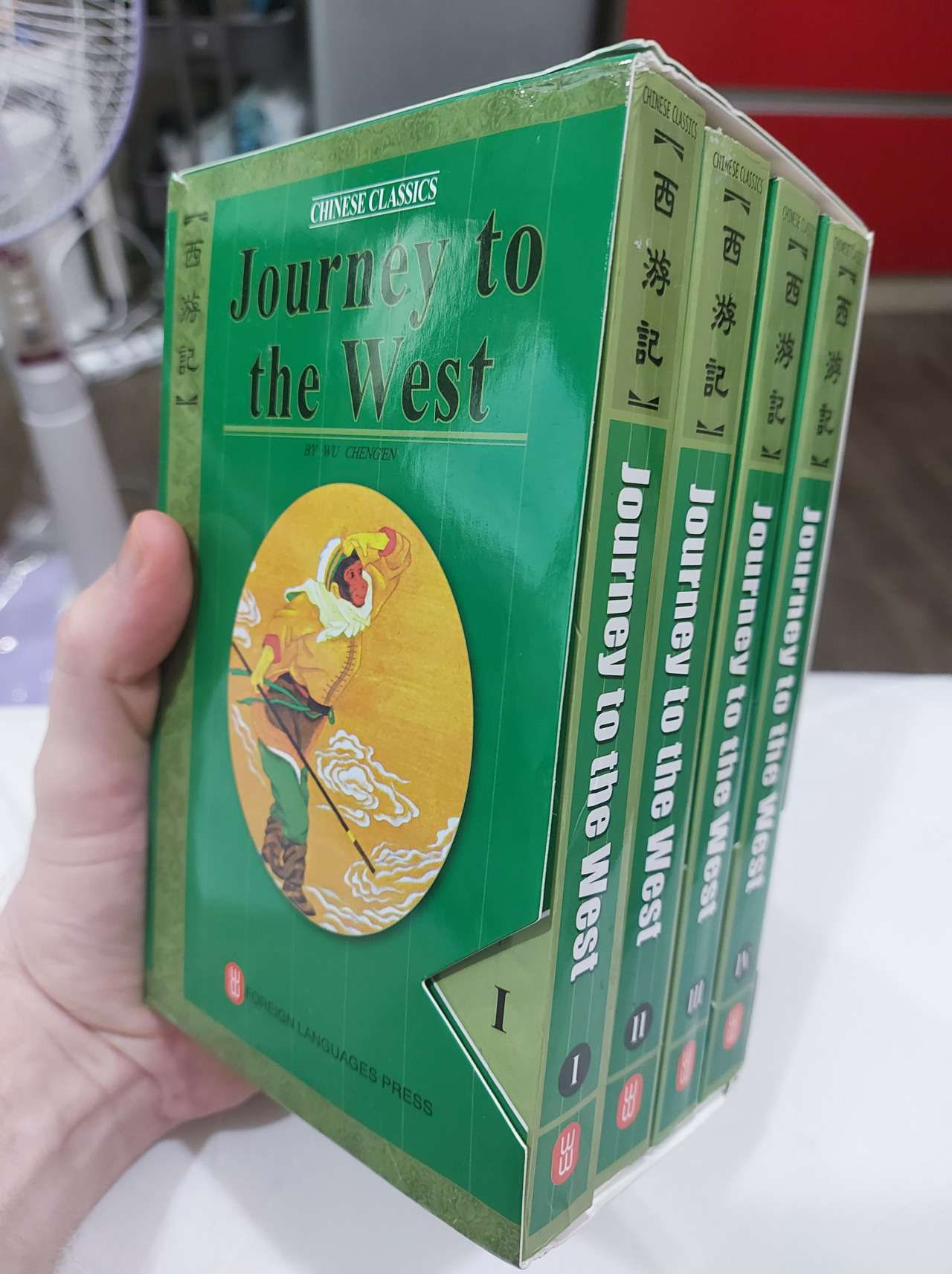
The four-volume box set in my collection (larger version).

A.2. Abridged

1) This is a PDF for Monkey (1942/1984) translated by Arthur Waley in 30 chapters (1 to 15, 18 and 19, 22, 37 to 39, 44 to 46, 47 to 49, and 98 to 100). See past book covers here.

PDF File

Click to access Wu-Chengen_-Arthur-Waley-Monkey-Grove-Press-1984.pdf

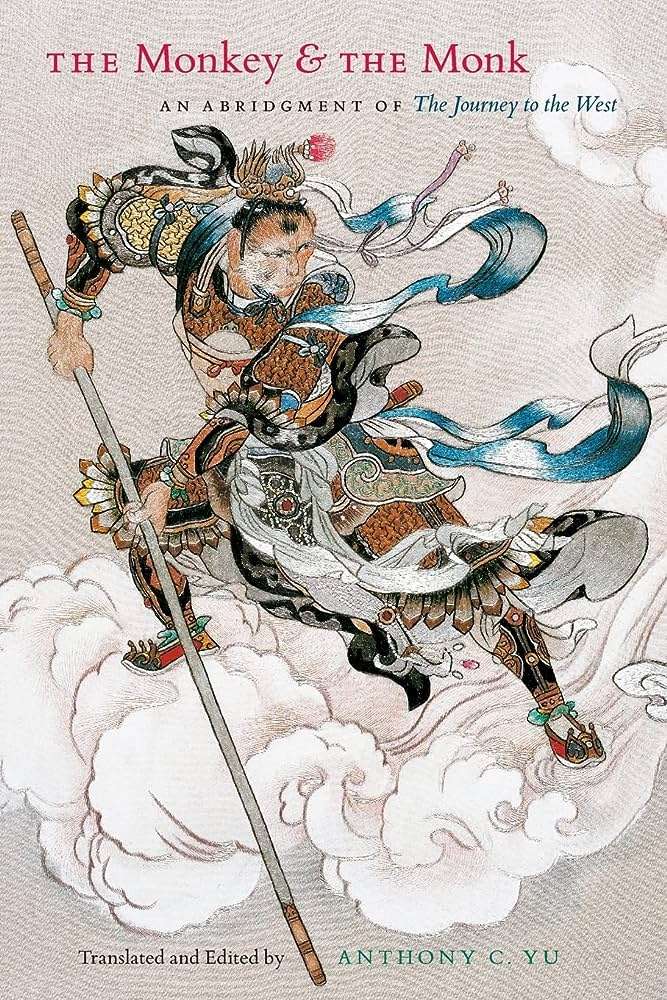
2) This is a PDF for The Monkey and the Monk (2006): An Abridgement of The Journey to the West translated by Anthony C. Yu in 31 chapters (1 to 15, 18 and 19, 22 and 23, 44 to 46, 53 to 55, 57 and 58, 84, and 98 to 100)

PDF File

Click to access Anthony-C.-Yu-The-Monkey-and-the-Monk_-An-Abridgment-of-The-Journey-to-the-West-2006.pdf

The official cover (larger version)

A.3. Audiobook

1) I just learned of “The Fifth Monkey” and their Journey to the West – An Audio Drama Series, which presents a new English translation alongside the original Chinese. They explain:

One reason that led our team to start this audio drama project is to correct some of the mistranslations found in the Yu/Jenner translations. Most of them are very minor and we certainly understand what could have led to those mistakes, but we think it is worth exploring how we can help bring a more accurate presentation of the original text in the English language (source).

The official logo (larger version).

2) YouTuber Sondley has recorded himself reading all 100 chapters of the Jenner edition.

B. French

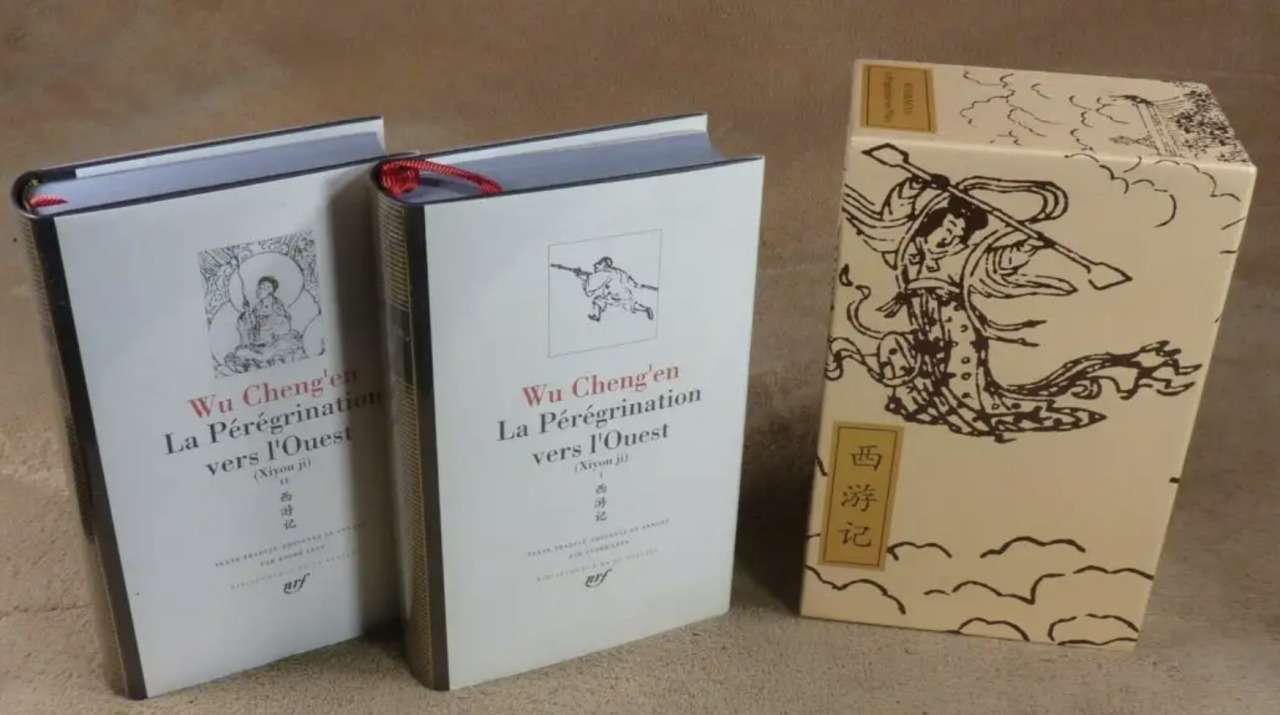
These are PDFs for La Pérégrination vers l’Ouest (Xiyou ji) (1991) translated by André Lévy in 100 chapters. I was told by one French academic that this edition “is one of the best available in Western languages.”

Thank you to arcanananas on Tumbler for volume one, and thank you to jyeet on the Journey to the West discord for volume two.

PDF Files

Vol. 1https://journeytothewestresearch.com/wp-content/uploads/2024/11/La-peregrination-vers-lOuest-v.1.pdf

Vol. 2https://journeytothewestresearch.com/wp-content/uploads/2023/08/French-JTTW-la-peregrination-vers-louest-Vol-2.pdf

The original two-volume boxed edition (larger version). Image found here.

C. German

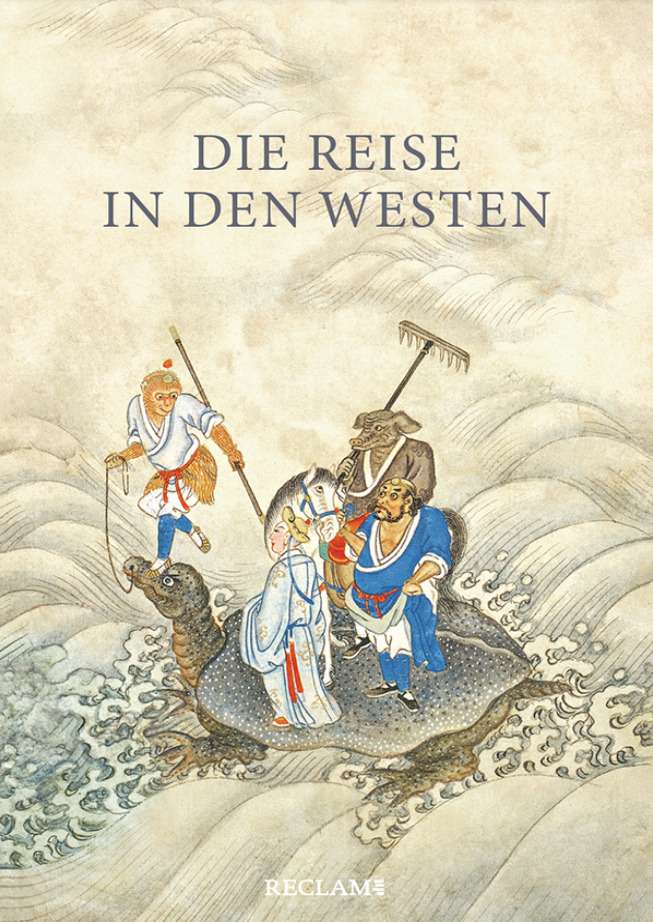
This is a PDF for Die Reise in den Westen. Ein klassischer chinesischer Roman (2016) translated by Eva Lüdi Kong in 100 chapters. It was awarded the Leipzig Book Fair prize in 2017. This version was converted from an ebook.

PDF File

Click to access German-JTTW-Die-Reise-in-den-Westen.pdf

The official cover (larger version)

D. Hungarian

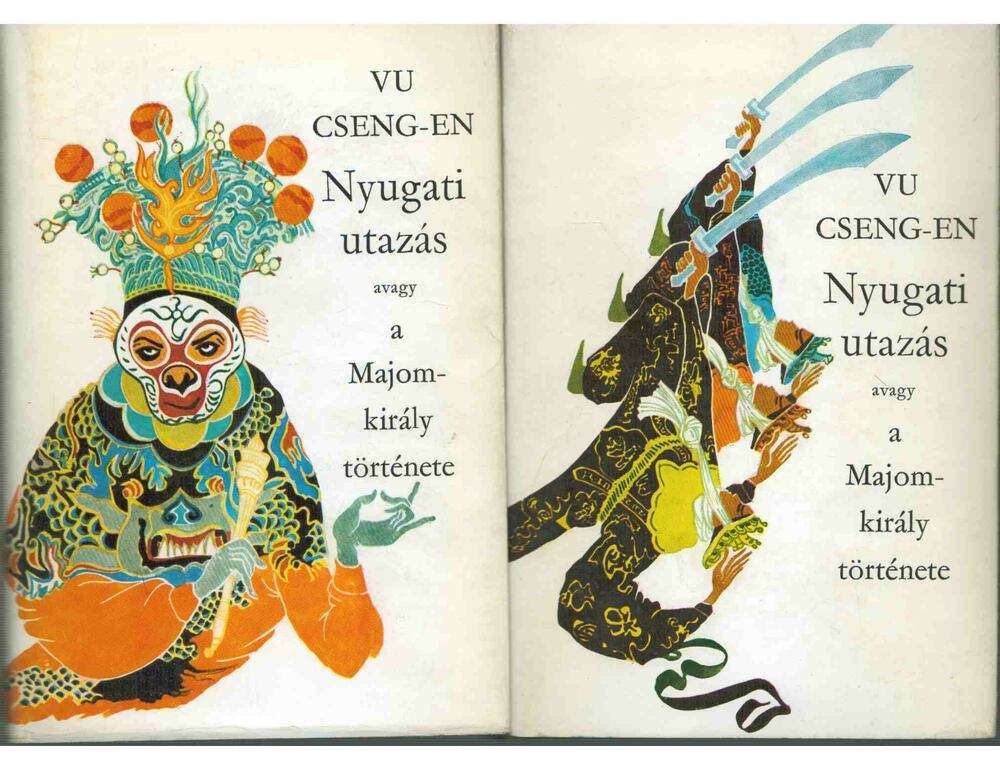
These are text PDFs for Nyugati utazás: avagy a majomkirály története (1969/1980) translated by Barnabás Csongor in two volumes. While the work covers the full 100 chapters, I’ve been told that it deletes the poems and occasionally paraphrases long-winded sections of text.

Thank you to Twitter user Jakabfi Károly for locating the files.

PDF Files

Vol 1https://journeytothewestresearch.com/wp-content/uploads/2023/08/Hungarian-JTTW-Nyugati-Utazas-Vol-1.pdf

Vol 2https://journeytothewestresearch.com/wp-content/uploads/2023/08/Hungarian-JTTW-Nyugati-Utazas-Vol-2.pdf

The official covers for volumes one and two (larger version). Image found here.

E. Italian

[Note 10-19-23: I was asked by the publisher to remove the PDF from the archive. I’m leaving the title here so others will know that an Italian translation exists.]

The Italian text is called Viaggio in occidente (1998/2008). It was translated by Serafino Balduzzi and published in two volumes. It is based on the French edition published in 1991. The work covers all 100 chapters.

F. Polish

This is a PDF for Małpi bunt (1976) translated by Tadeusz Żbikowski. It is a 14 chapter abridgement of the first 20 chapters of the original.

Thank you to Twitter user Friend_Pretend for locating the file.

PDF File

Click to access Polish-JTTW-Malpi-bunt-1976.pdf

The official cover (larger version).

G. Romanian

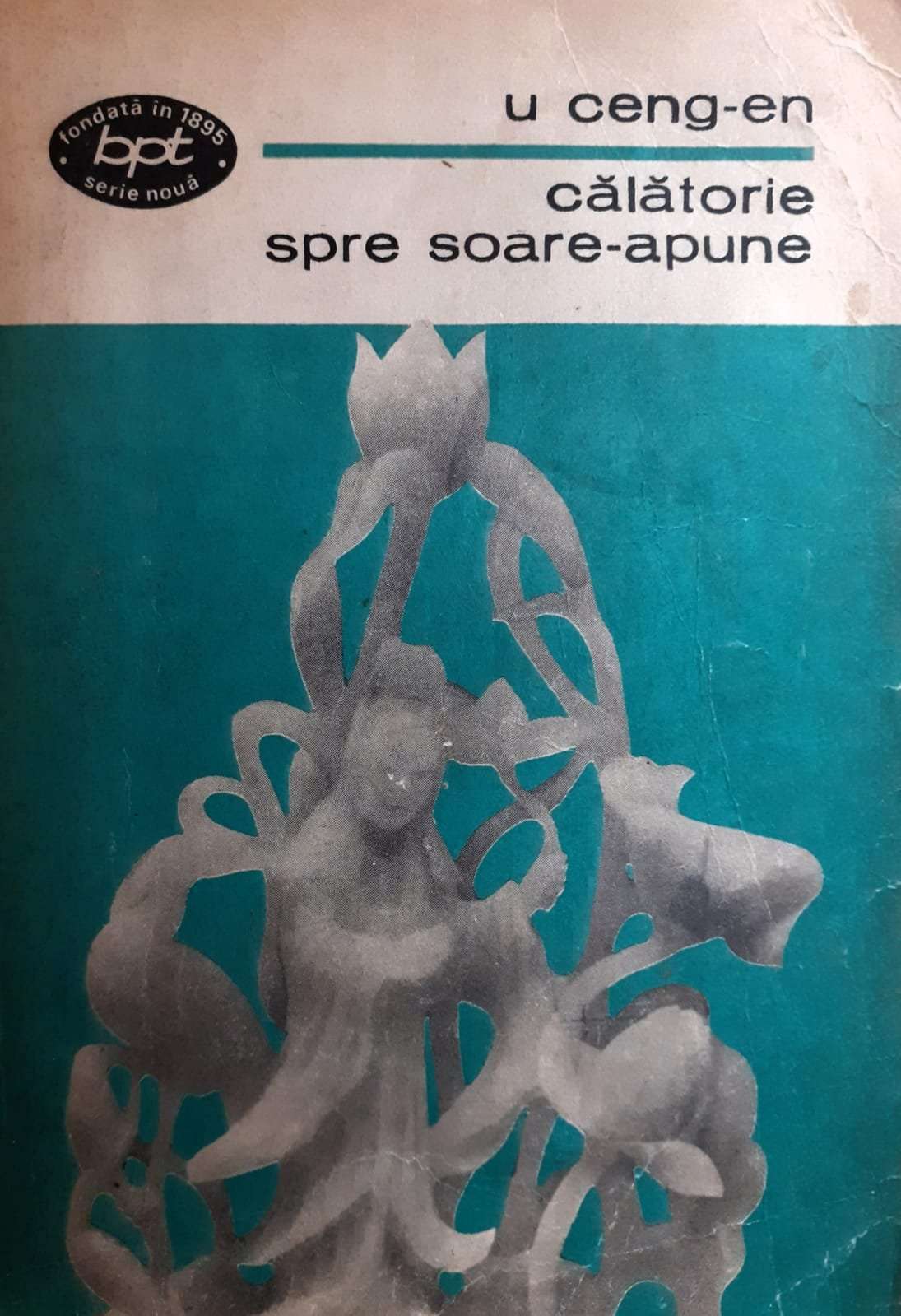
This is a text PDF for Călătorie spre soareapune (1971) translated by Corneliu Rudescu and Fănică N. Gheorghe. It appears to be an abridgment.

Thank you to greencicadarchivist on the Journey to the West discord for locating the file.

PDF File

Click to access Romanian-JTTW-U_Ceng_En_Calatorie_Spre_Soare_Apune_pdf.pdf

The official cover (larger version).

H. Russian

H.1. Complete

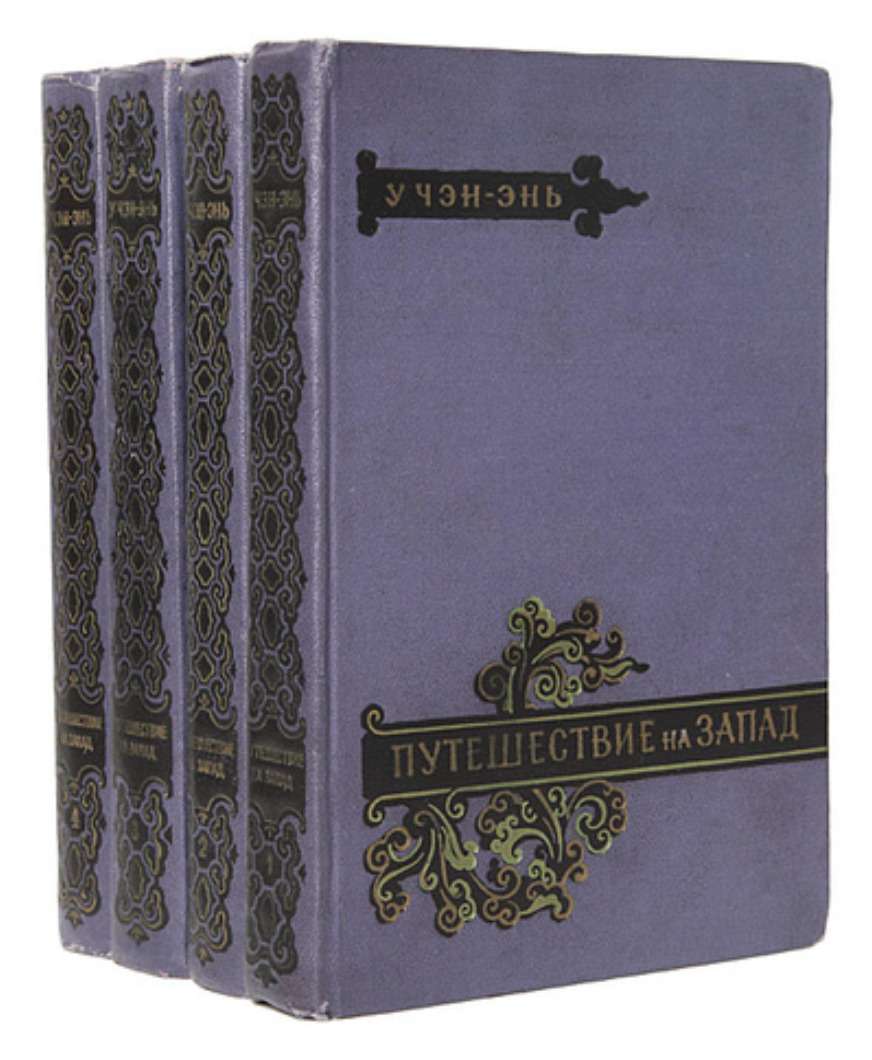
These are PDFs for Путеше́ствие на За́пад (1959) translated by A. Rogachev (vols. 1-2) and V. Kolokolov (vols. 3-4). It covers all 100 chapters.

PDF Files

Vol 1https://journeytothewestresearch.com/wp-content/uploads/2023/08/Russian-JTTW-Puteshestvie_Na_Zapad_T_1_-1959-Vol-1.pdf

Vol. 2https://journeytothewestresearch.com/wp-content/uploads/2023/08/Russian-JTTW-Puteshestvie_Na_Zapad_T_1_-1959-Vol-2.pdf

Vol. 3https://journeytothewestresearch.com/wp-content/uploads/2023/08/Russian-JTTW-Puteshestvie_Na_Zapad_T_1_-1959-Vol-3.pdf

Vol. 4https://journeytothewestresearch.com/wp-content/uploads/2023/08/Russian-JTTW-Puteshestvie_Na_Zapad_T_1_-1959-Vol-4.pdf

The four-volume hardcover edition (larger version).

H.2. Abridged

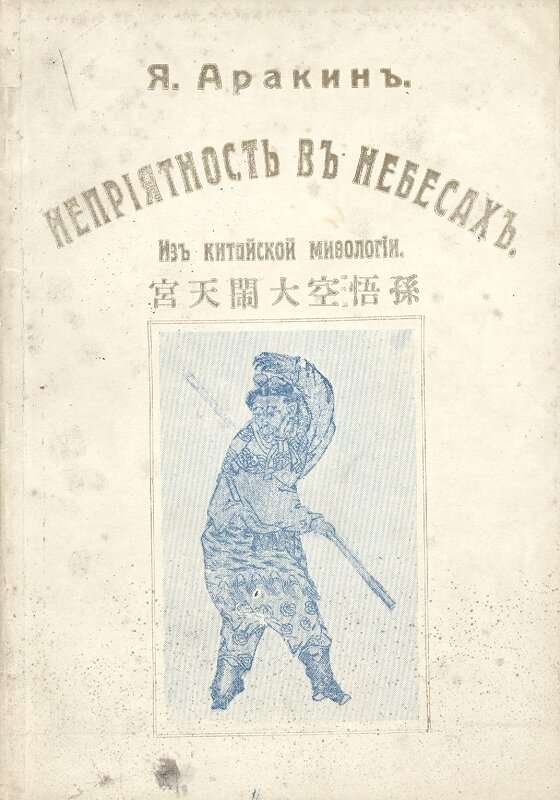
This is a text PDF for Неприятность в небесах. Из китайской мифологии (1926) translated by Yakov Arakin. It is a poetic retelling of the first seven chapters of the novel.

Thank you to Adelar Eleramo for locating the file.

PDF File

Click to access Russian-JTTW-poem-Yakov-Arakin.pdf

The official cover (larger version).

I. Spanish

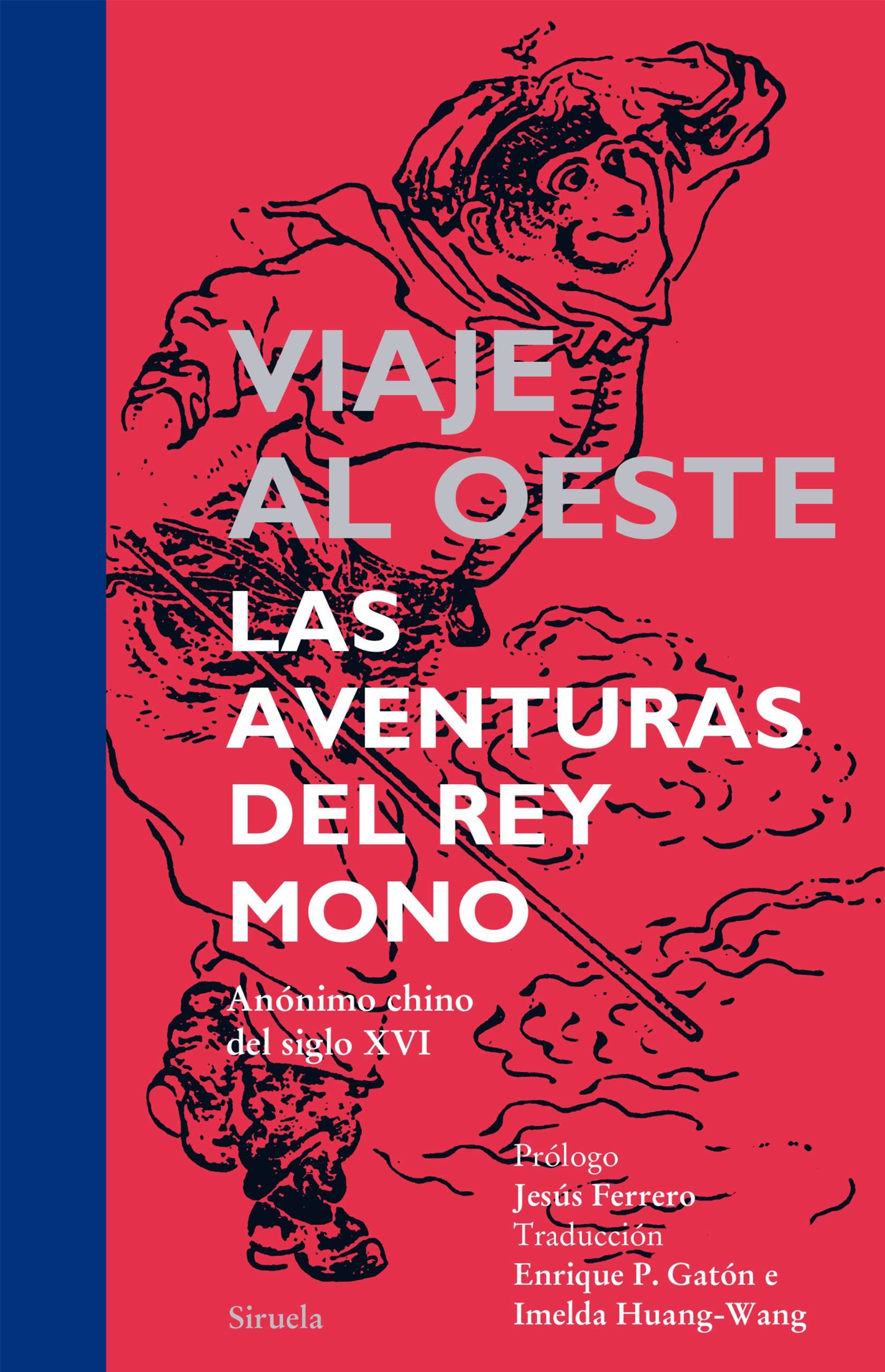
This is a text PDF for Viaje al Oeste: Las aventuras del Rey Mono (2022) translated by Enrique P. Gatón and Imelda Huang-Wang in 100 chapters.

PDF File

Click to access viaje-al-oeste-las-aventuras-del-rey-mono.pdf

The official cover (larger version)

J. Thai

This is a PDF for ไซอิ๋ว (2004/2010). It appears to be based on a four-volume edition translated by one Mr. Tin (นายติ่น) and published from 1906 to 1909. I believe it covers all 100 chapters.

Thank you again to greencicadarchivist for locating the file.

PDF File

Click to access Thai-JTTW-ไซอิ๋ว.pdf

The official cover (larger version)

K. Turkish

This is a PDF for Batı’ya Yolculuk (n.d.). I’m not sure who it was translated by. It appears to be all 100 chapters.

PDF File

Click to access Batiya-Yolculuk.pdf

The official cover (larger version)

L. Vietnamese

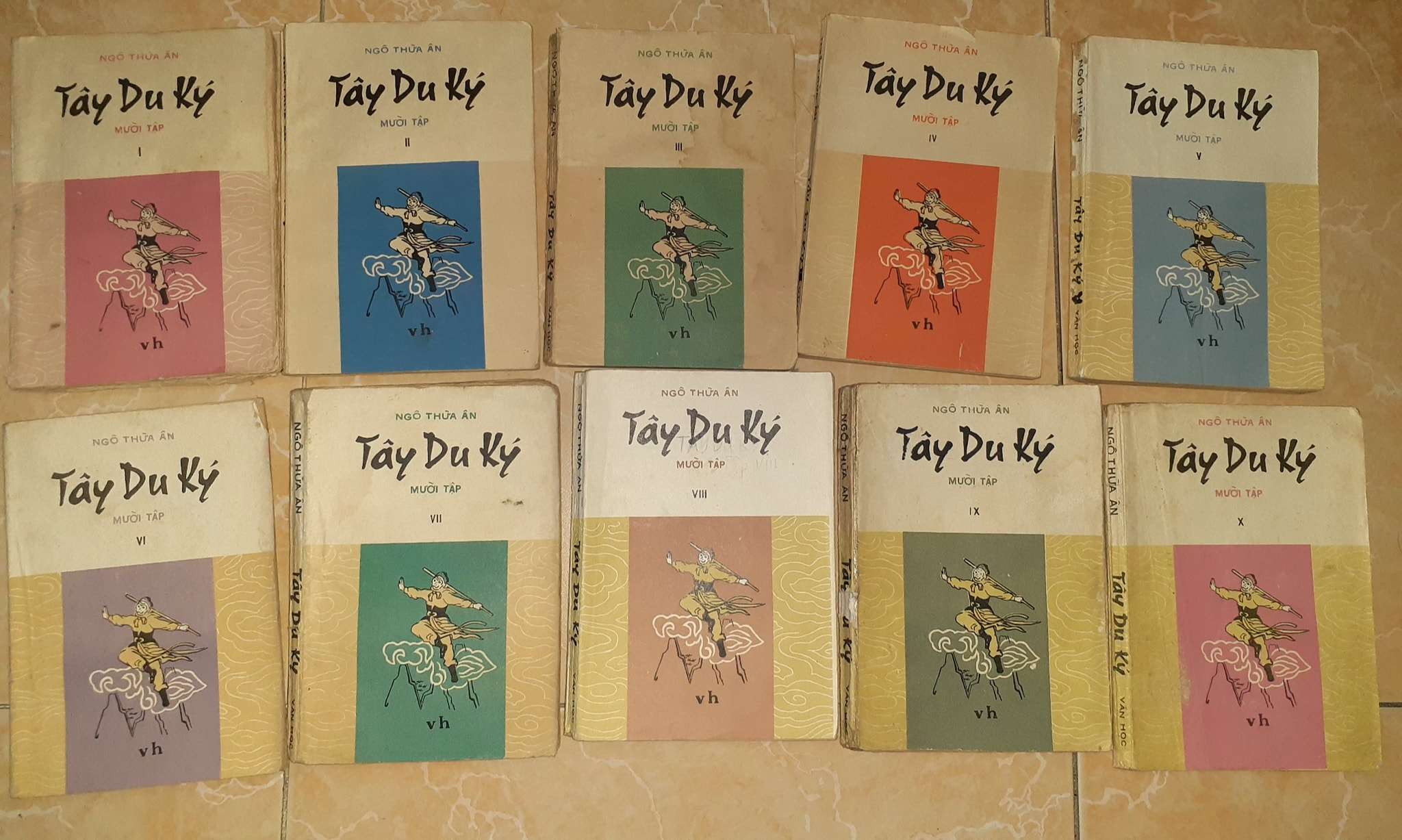
This is a text PDF for Tây Du Ký translated by Như Sơn, Mai Xuân Hải, and Phương Oanh. The 100 chapters were originally split between 10 volumes and published from 1982 to 1988. The volumes were later transcribed and combined to make a single eBook via an online community in 2013 (see here). I have converted it into a PDF.

PDF File

Click to access Vietnamese-JTTW-Tay-Du-Ky.pdf

The covers for the original ten volumes (larger version). Image found here.

3. Unofficial Sequels

3.1. A Supplement to the Journey to the West (Xiyoubu)

A. English

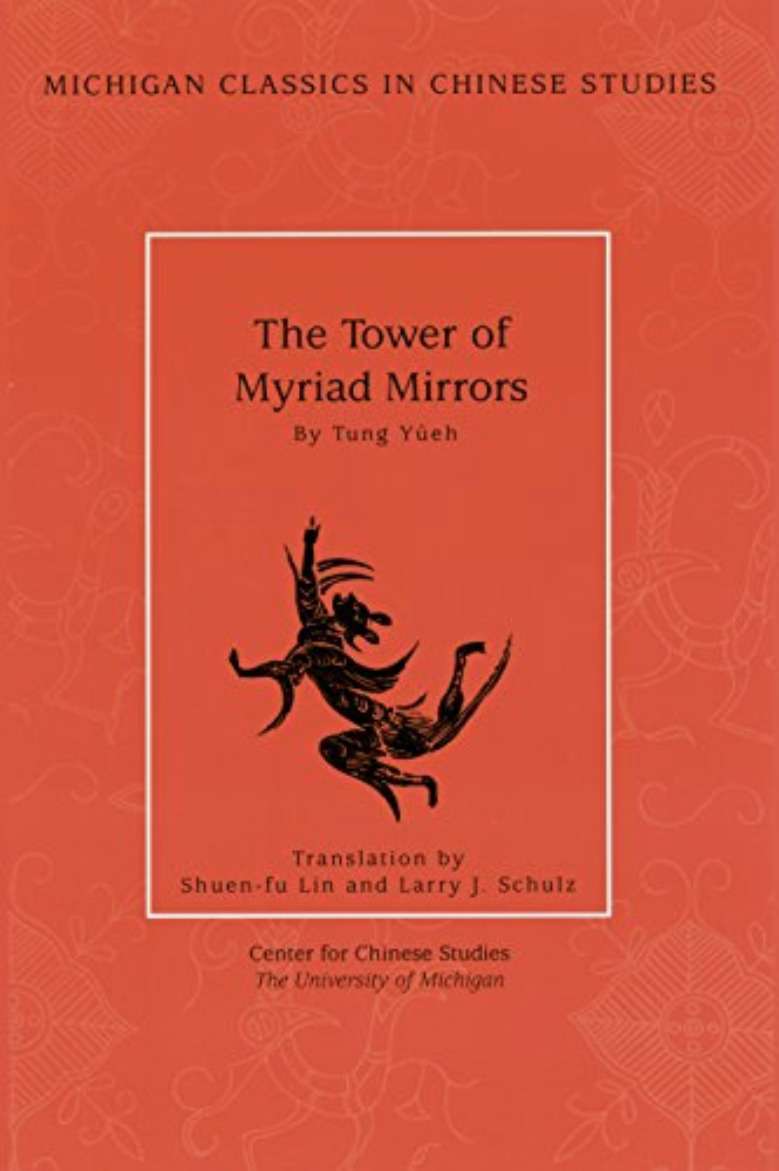
1) This is a PDF for Tower of Myriad Mirrors: A Supplement to Journey to the West (2000) translated by Shuen-fu Lin and Larry J. Schulz. This version was converted from Mobi.

See my previous article on the tale here.

PDF File

Click to access English-Xiyoubu-Lin-Shuen-fu_Dong-Yue-Schulz-Tung-Yueh-The-tower-of-myriad-mirrors_-a-supplement-to-Journey-to-the-West.pdf

The official cover (larger version)

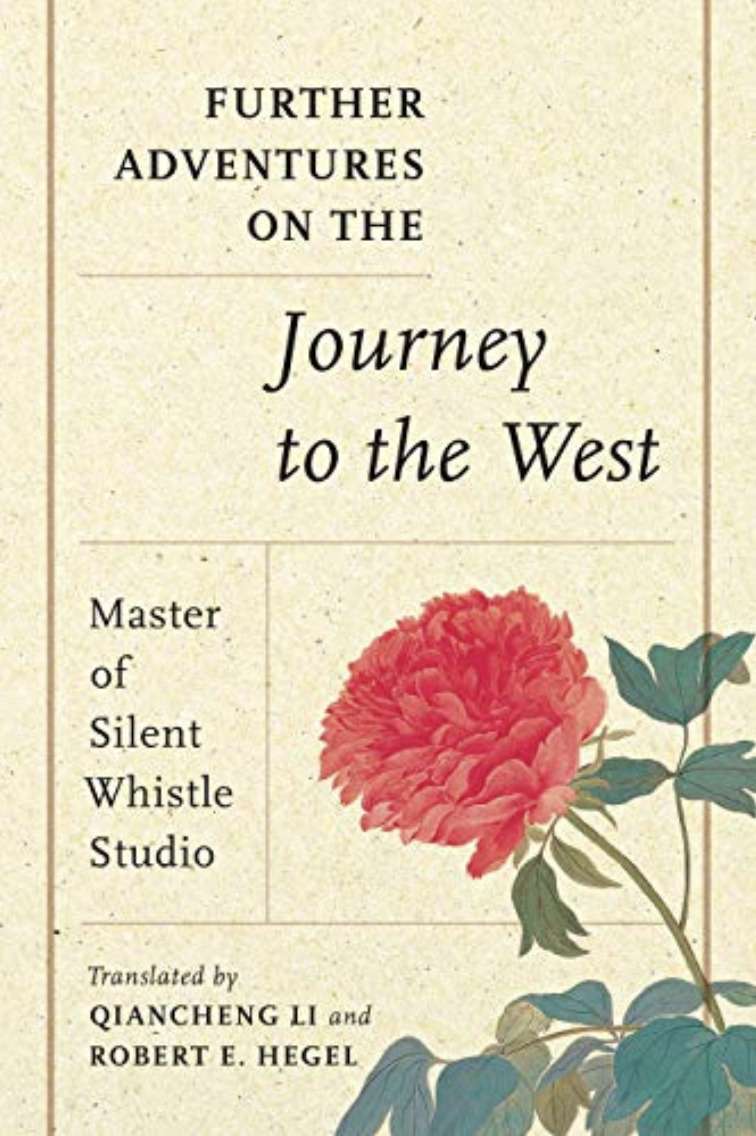
2) This is a PDF for Further Adventures on the Journey to the West – Master of Silent Whistle Studio (2020) translated by Qianchng Li and Robert E. Hegel.

PDF File

Click to access Further-Adventures-on-the-Journey-to-the-West-Master-of-Silent-Whistle-Studio-2020.pdf

The official cover (larger version)

B. Hungarian

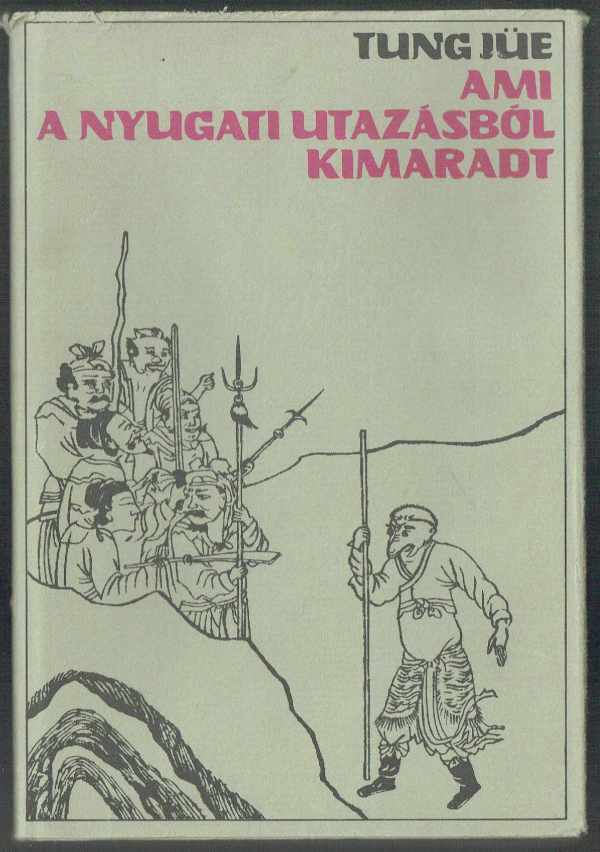
This is a text PDF for Ami a nyugati utazásból kimaradt (1957/1980) translated by Barnabás Csongor.

My thanks again to Twitter user Jakabfi Károly.

PDF File

Click to access Hungarian-Xiyoubu-tung_jue_ami_a_nyugati_utazasbol_kimaradt.pdf

The official cover (larger version).

3.2. Later Journey to the West (Hou Xiyouji, 後西遊記, 17th-century) 

A. Chinese-English

This 41-chapter book has been translated into English with AI by the Chinese Text Project (Ctext). You can READ IT HERE (turn off your VPN for access). The novel does not yet have an official translation.

See my previous articles on the subject here, here, and here.


Update: 08-17-23

I forgot to mention that I have previously archived two other Chinese classics. The first is Creation of the Gods (Fengshen yanyi, 封神演義, c. 1620; a.k.a. Investiture of the Gods), a sort of prequel to JTTW.

Archive #17 – PDFs of Creation of the Gods Library of Chinese Classics Chinese-English Bilingual Edition (Vols. 1-4)

The second is Journey to the South (Nanyouji南遊記, c. 1570s-1580s). This is NOT a direct sequel to JTTW. It instead follows the adventures of a martial god from Chinese folk religion. However, Sun Wukong makes a guest appearance in chapters one and seventeen.

Archive #40 – Journey to the South (Nanyouji) English Translation PDF


Update: 04-06-26

There is also Three Kingdoms (Sanguo yanyi三國演義; lit: “Romance of the Three Kingdoms,” 14th century.).

Archive #52 – PDFs of the Three Kingdoms Foreign Language Press English Translation (Vols. 1-4)

And Outlaws of the Marsh (a.k.a. Water MarginShuihu zhuan, 水滸傳, c. 1400).

Archive #53 – PDFs of Outlaws of the Marsh (a.k.a. Water Margin) Foreign Language Press English Translation (Vols. 1-4)

Archive #31 – The Original 1592 Edition of Journey to the West, Complete with Pictures

I’m proud to present a PDF of the original edition of Journey to the West anonymously published in 1592 by the Shidetang (世德堂, “Hall of Generational Virtue”) publishing house of Jinling (金陵, “Gold Hill,” a.ka. Nanjing). Titled Newly Printed, Illustrated, Deluxe and Large Character, Journey to the West (Xinke chuxiang guanban dazi Xiyou ji, 新刻出像官板大字西遊記), it features 20 scrolls and 100 chapters (minus the current chapter nine). It contains many charming woodblock prints depicting the events described in the story. For example, this print shows the battle between Monkey and Nezha in their three-headed and six-armed forms.

One doctoral thesis shows that this version is based on an earlier edition of the story titled Newly printed, Completely Illustrated, Chronicle of Deliverances in Sanzang of the Tang’s Journey to the West (Xinqie quanxiang Tang Sanzang Xiyou shi ni (e) zhuan, 新鍥全像唐三藏西遊释尼(厄)傳) in ten scrolls (with three to ten chapters each) by Zhu Dingchen (朱鼎臣) of Yangcheng (羊城, i.e. Guangzhou).

The PDF is quite large at 1.5 gigs, so it will take time to download.

Archive link:

Click to access 二十卷一百回.明.吴承恩撰.明万历二十年金陵世德堂刊本.灰度胶片.pdf

Thanks:

I originally downloaded the PDF from the shuge.org archive.