The Newly Annotated Journey to the West (Xinshuo Xiyouji, 新說西遊記, 1749) by Zhang Shushen (張書紳) is one of three popular editions of JTTW that circulated during the Qing Dynasty (1644-1911) and overshadowed the original. [1] It contains a running commentary dispersed throughout the pilgrims’ many adventures. Anthony C. Yu (Wu & Yu, 2012) describes Zhang’s work as having a Confucian bias:
In his unabridged hundred-chapter Xinshuo Xiyouji (The Journey to the West, Newly Interpreted) of 1749, Zhang Shushen declared in the section entitled “Xiyouji zongpi 西游記總批 (Overall Comments on The Journey to the West)” that “the book Xiyou has been designated by the ancients as a book meant to illuminate the Dao [a pointed dig at the 1662 edition titled Xiyou zhengdao shu, with the Daoist-leaning preface attributed to Yu Ji … ], by which it originally means the Dao of the sages, the worthies, and the Confucians (儒 Ru). To consider it an illumination of the Dao of immortals and Buddhism would be a mistake, indeed.” From a point of view clearly unsympathetic to the popular movement of Three-Religions-Joining-As-One (sanjiao heyi 三教合一, a possibly millennium-old notion … ), Zhang defended the story of the quest for Buddhist scriptures as an allegory of the classic Confucian doctrines on the illustration of virtue (mingde 明德) and the rectification of the mind (zhengxin 正心), ignoring the repeated and complex elaborations of zhengxin in Chan Buddhism also for at least a thousand years prior to his time (vol. 1, pp. 51-52).
I’ve decided to archive a scanned copy of this work for posterity.
A digital version of the text (interspersed with other commentaries) can be found here.
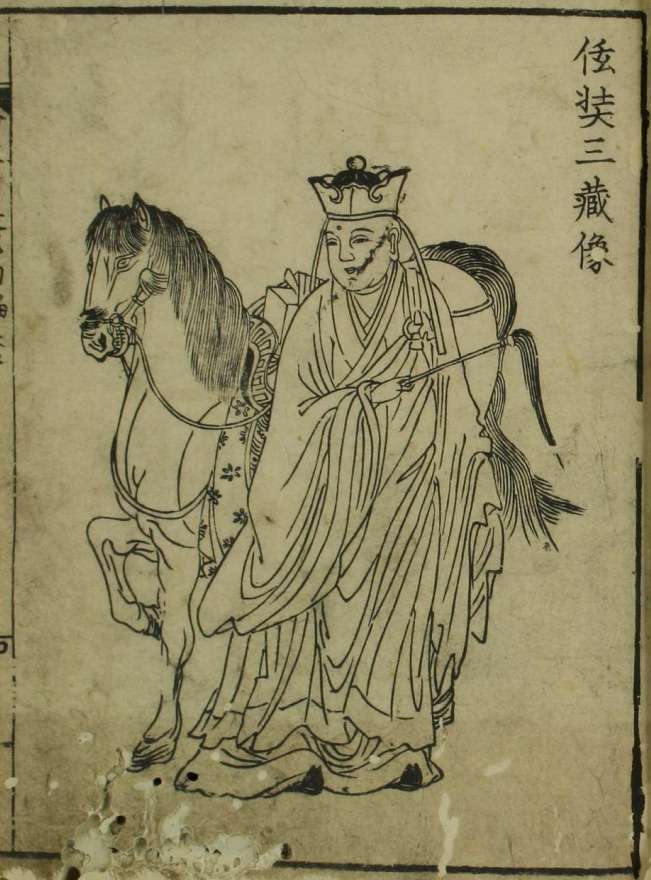
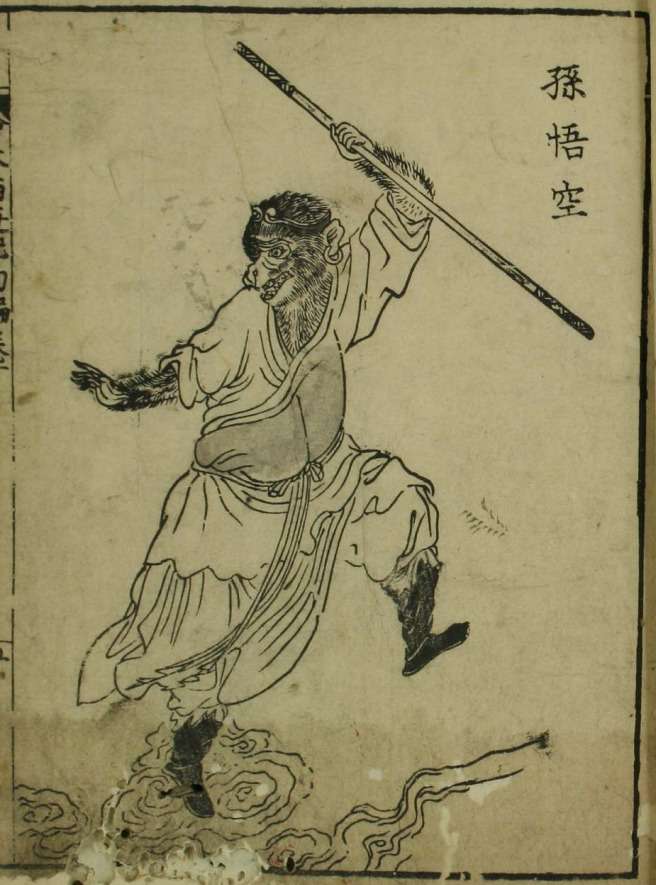
I’ve previously archived illustrated versions of JTTW, including the original 1592 edition, (images from) Li Zhuowu’s late-16th-century critique, and a circa 1835 Japanese translation. Here, I’d like to add another, the Newly Annotated Journey to the West With Illustrations (Xinshuo Xiyouji tuxiang, 新說西遊記圖像, 1888). The original text and commentary are the same, but this edition features a preface by Wang Tao (王韜), as well as over 100 woodblock prints.
The prints in the archived book below are admittedly a little fuzzy. This webpage has somewhat clearer versions.
Note: My blog is not monetized, so I am not making any money from this post. My hope is that the PDFs will make this legendary story more accessible to a wider audience. If you enjoyed the digital versions, please, please, please support the official releases.
Last updated: 04-06-2026
I’m happy to host a number of foreign language translations of the noted Chinese classic Journey to the West (Xiyou ji, 西遊記, 1592 CE), as well as a precursor and some later unofficial sequels.
1. The Precursor
The Story of How Tripitaka of the Great Tang Procures the Scriptures (Datang Sanzang qujing shihua, 大唐三藏取經詩話, c. late-13th-century)
I will add more languages to this archive as they become available. Please let me know if you have access to other editions.
1. The Precursor
1.1. The Story of How Tripitaka of the Great Tang Procures the Scriptures (Datang Sanzang qujing shihua, 大唐三藏取經詩話, c. late-13th-century)
A. English
This 17-chapter novelette, which likely served as a prompt for oral storytellers, is the earliest known printed edition of the JTTW story cycle. It involves the adventures of Tripitaka and Sun Wukong’s antecedent, the “Monkey Pilgrim” (Hou xingzhe, 猴行者). The tale is translated by Charles S. Wivell.
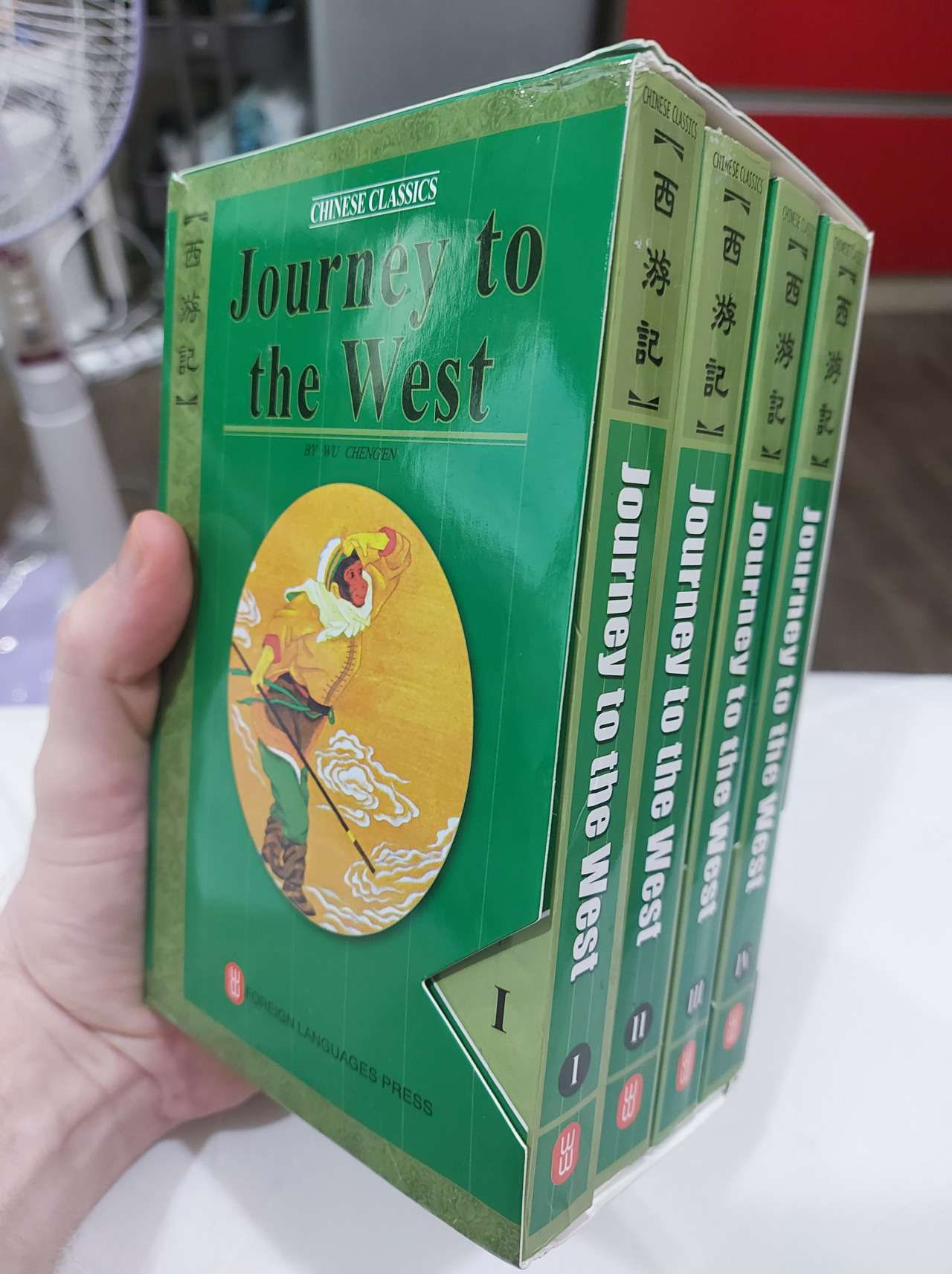
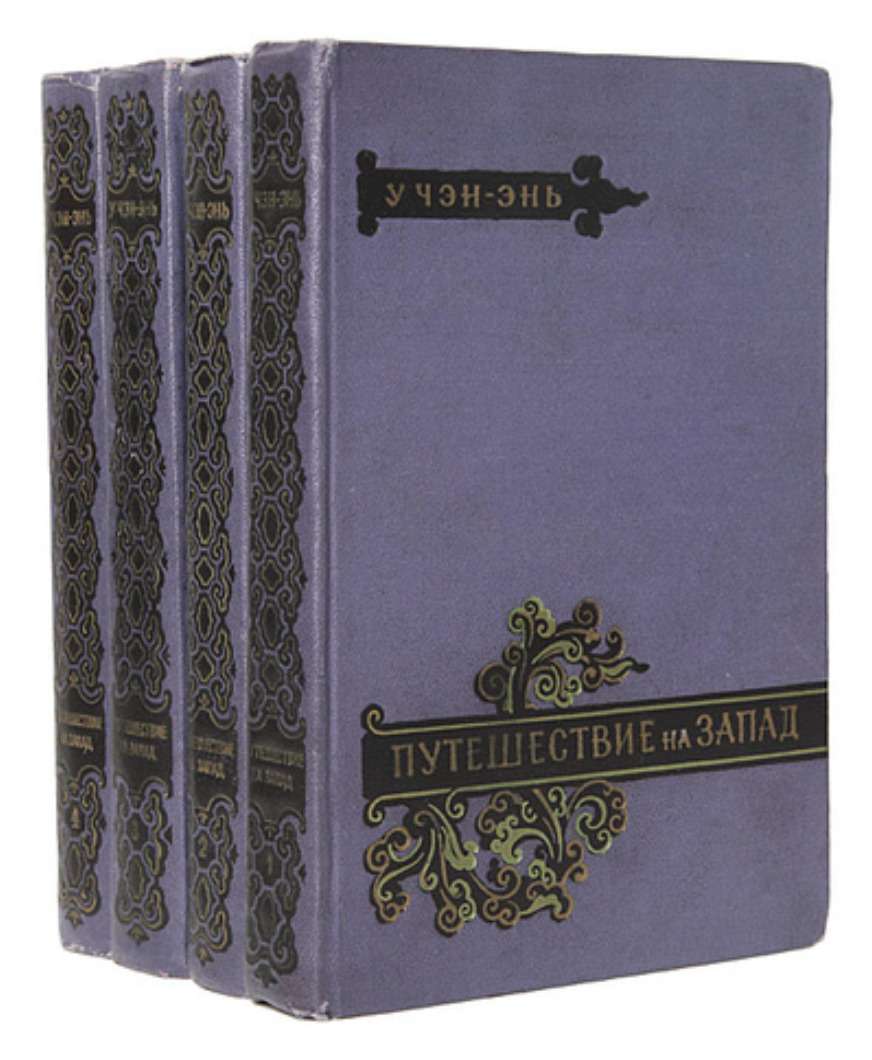
The four-volume box set in my collection (larger version).
A.2. Abridged
1) This is a PDF for Monkey (1942/1984) translated by Arthur Waley in 30 chapters (1 to 15, 18 and 19, 22, 37 to 39, 44 to 46, 47 to 49, and 98 to 100). See past book covers here.
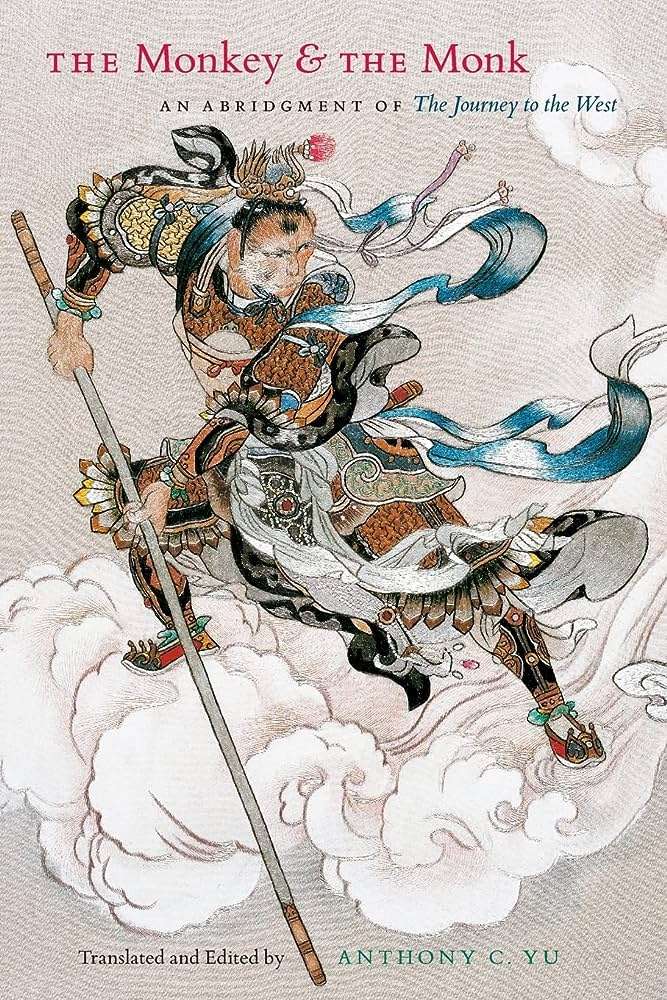
2) This is a PDF for The Monkey and the Monk (2006): An Abridgement of The Journey to the West translated by Anthony C. Yu in 31 chapters (1 to 15, 18 and 19, 22 and 23, 44 to 46, 53 to 55, 57 and 58, 84, and 98 to 100)
1) I just learned of “The Fifth Monkey” and their Journey to the West – An Audio Drama Series, which presents a new English translation alongside the original Chinese. They explain:
One reason that led our team to start this audio drama project is to correct some of the mistranslations found in the Yu/Jenner translations. Most of them are very minor and we certainly understand what could have led to those mistakes, but we think it is worth exploring how we can help bring a more accurate presentation of the original text in the English language (source).
2) YouTuber Sondley has recorded himself reading all 100 chapters of the Jenner edition.
B. French
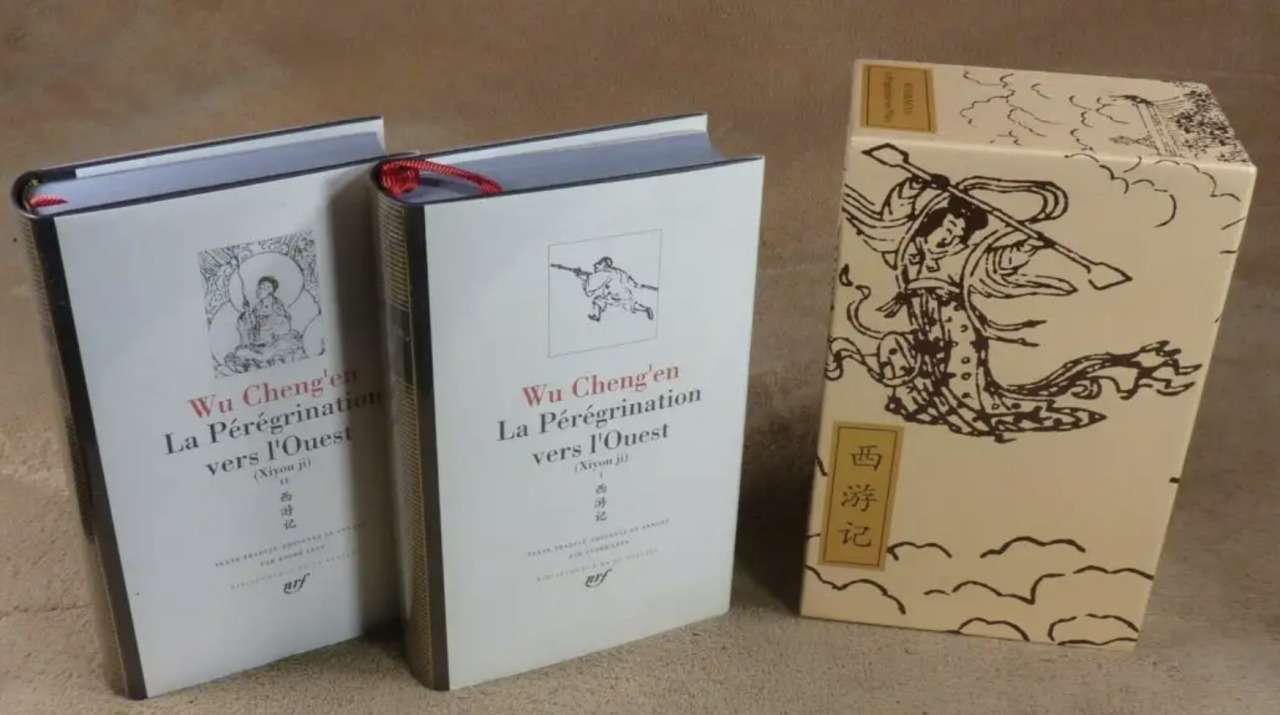
These are PDFs for La Pérégrination vers l’Ouest (Xiyou ji) (1991) translated by André Lévy in 100 chapters. I was told by one French academic that this edition “is one of the best available in Western languages.”
Thank you to arcanananas on Tumbler for volume one, and thank you to jyeet on the Journey to the West discord for volume two.
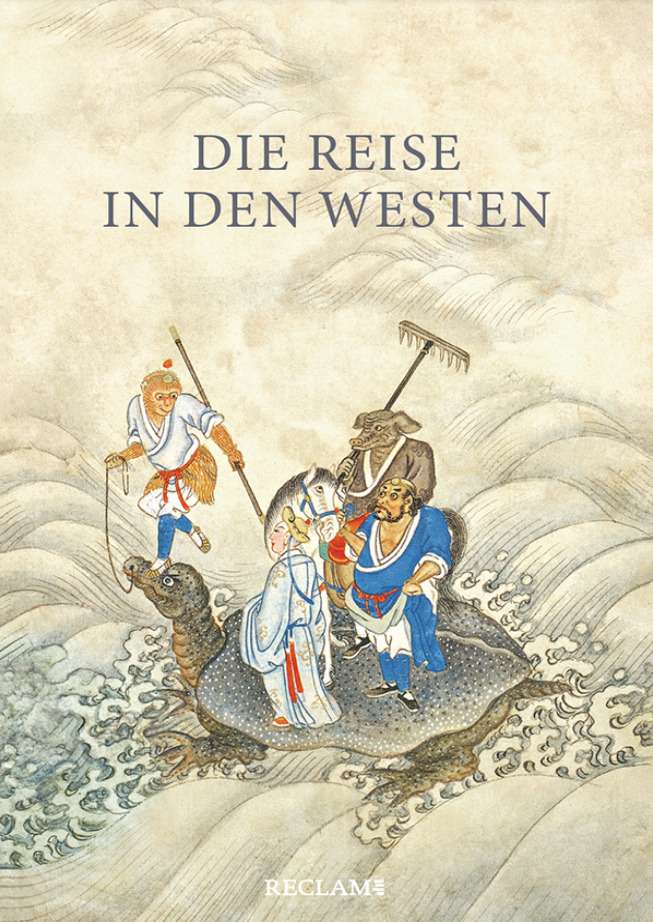
This is a PDF for Die Reise in den Westen. Ein klassischer chinesischer Roman (2016) translated by Eva Lüdi Kong in 100 chapters. It was awarded the Leipzig Book Fair prize in 2017. This version was converted from an ebook.
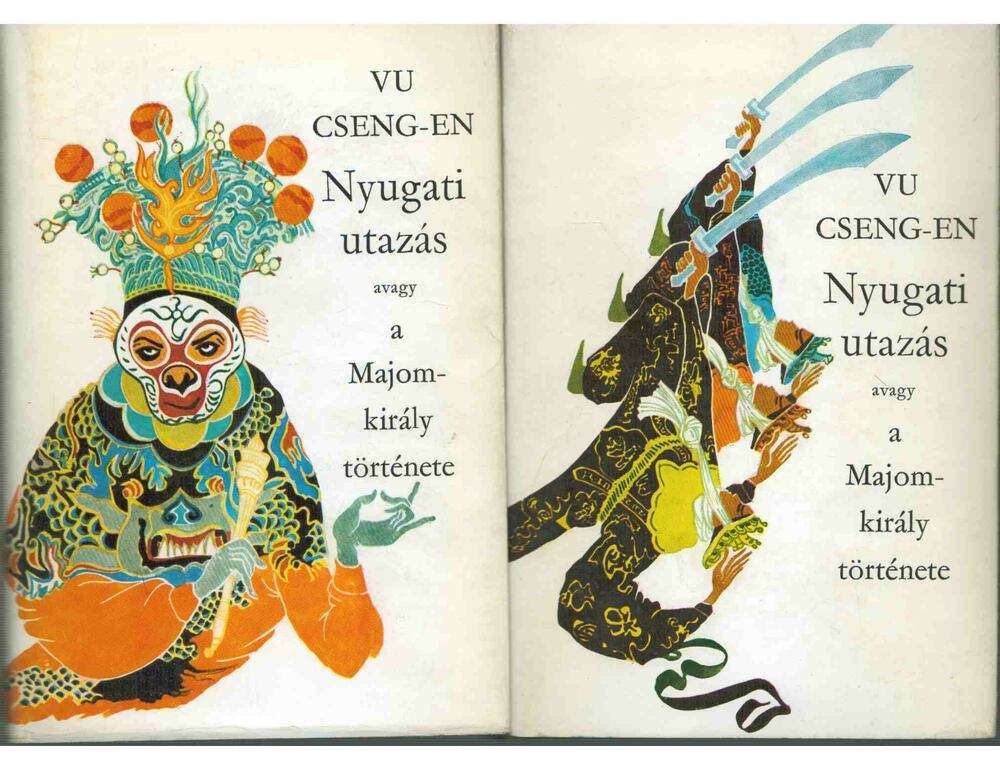
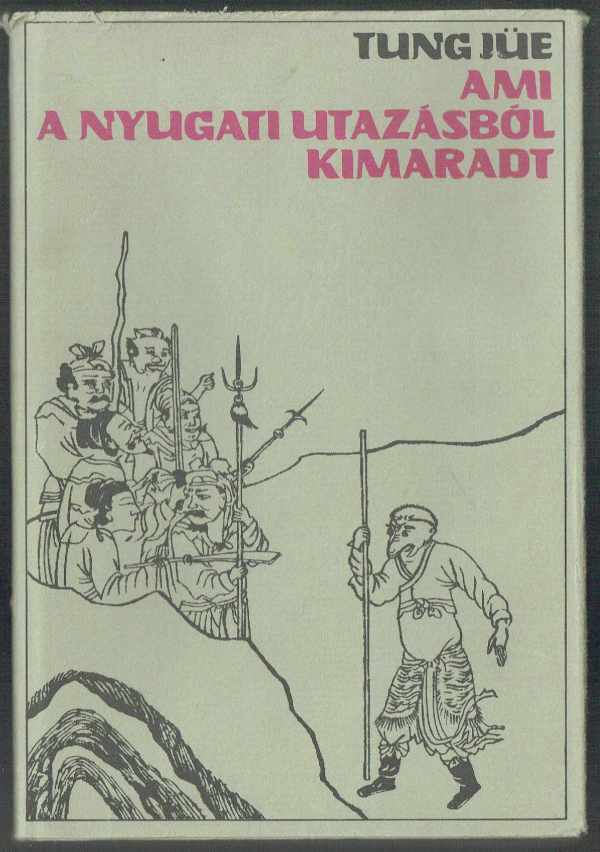
These are text PDFs for Nyugati utazás: avagy a majomkirály története (1969/1980) translated by Barnabás Csongor in two volumes. While the work covers the full 100 chapters, I’ve been told that it deletes the poems and occasionally paraphrases long-winded sections of text.
Thank you to Twitter user Jakabfi Károly for locating the files.
[Note 10-19-23: I was asked by the publisher to remove the PDF from the archive. I’m leaving the title here so others will know that an Italian translation exists.]
The Italian text is called Viaggio in occidente (1998/2008). It was translated by Serafino Balduzzi and published in two volumes. It is based on the French edition published in 1991. The work covers all 100 chapters.
F. Polish
This is a PDF for Małpi bunt (1976) translated by Tadeusz Żbikowski. It is a 14 chapter abridgement of the first 20 chapters of the original.
Thank you to Twitter user Friend_Pretend for locating the file.
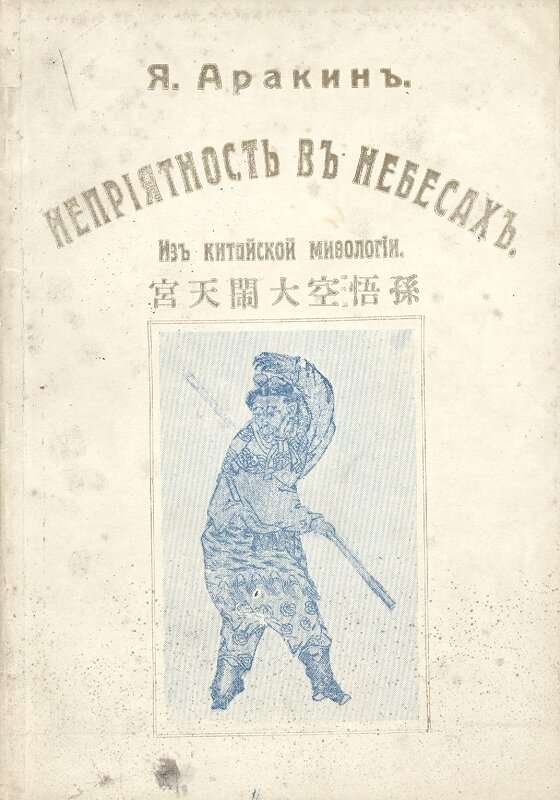
This is a text PDF for Неприятность в небесах. Из китайской мифологии (1926) translated by Yakov Arakin. It is a poetic retelling of the first seven chapters of the novel.
This is a PDF for ไซอิ๋ว (2004/2010). It appears to be based on a four-volume edition translated by one Mr. Tin (นายติ่น) and published from 1906 to 1909. I believe it covers all 100 chapters.
Thank you again to greencicadarchivist for locating the file.
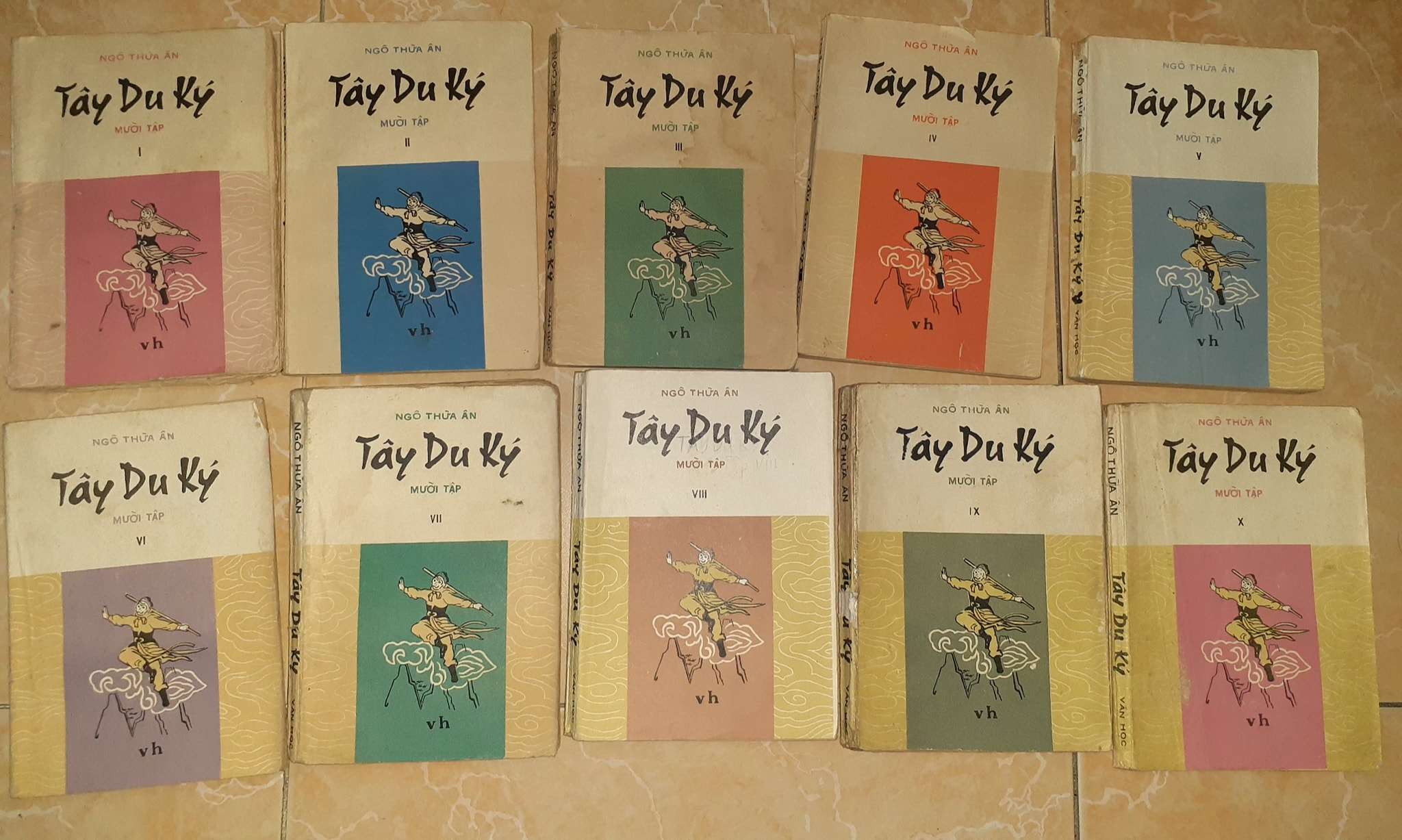
This is a text PDF for Tây Du Ký translated by Như Sơn, Mai Xuân Hải, and Phương Oanh. The 100 chapters were originally split between 10 volumes and published from 1982 to 1988. The volumes were later transcribed and combined to make a single eBook via an online community in 2013 (see here). I have converted it into a PDF.
3.1. A Supplement to the Journey to the West (Xiyoubu)
A. English
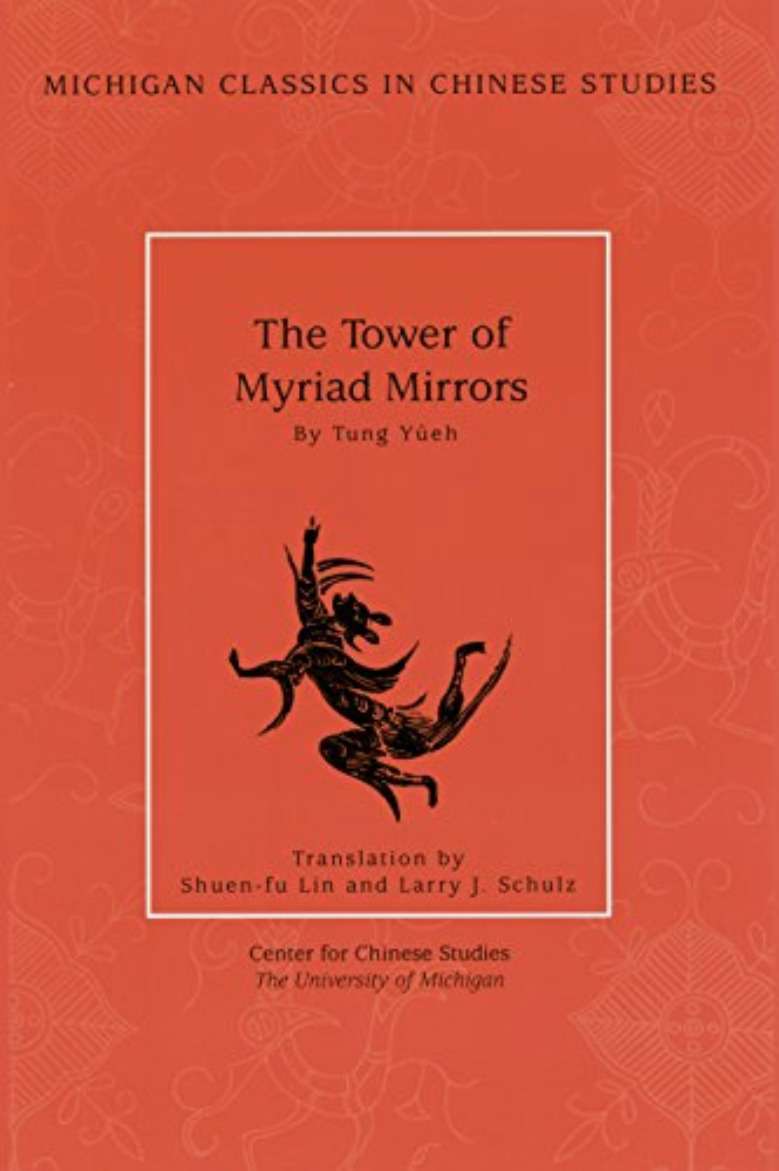
1) This is a PDF for Tower of Myriad Mirrors: A Supplement to Journey to the West (2000) translated by Shuen-fu Lin and Larry J. Schulz. This version was converted from Mobi.
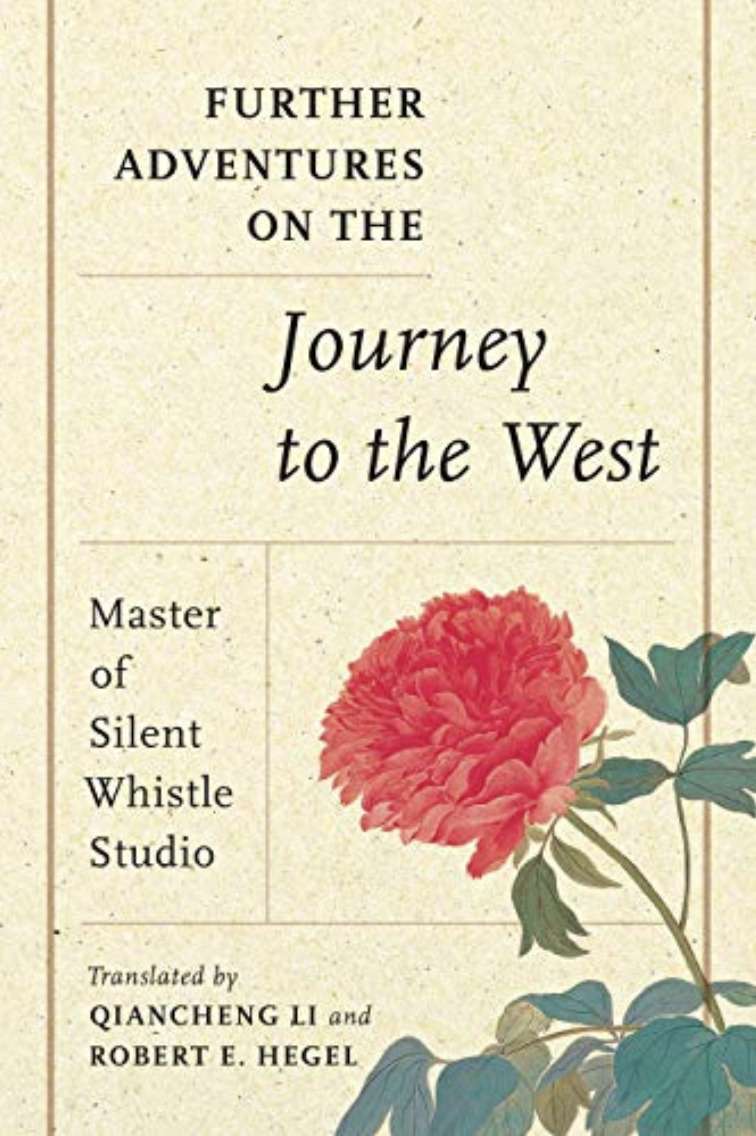
2) This is a PDF for Further Adventures on the Journey to the West – Master of Silent Whistle Studio (2020) translated by Qianchng Li and Robert E. Hegel.
3.2. Later Journey to the West (Hou Xiyouji, 後西遊記, 17th-century)
A. Chinese-English
This 41-chapter book has been translated into English with AI by the Chinese Text Project (Ctext). You can READ IT HERE(turn off your VPN for access). The novel does not yet have an official translation.
See my previous articles on the subject here, here, and here.
Update: 08-17-23
I forgot to mention that I have previously archived two other Chinese classics. The first is Creation of the Gods (Fengshen yanyi, 封神演義, c. 1620; a.k.a. Investiture of the Gods), a sort of prequel to JTTW.
The second is Journey to the South (Nanyouji, 南遊記, c. 1570s-1580s). This is NOT a direct sequel to JTTW. It instead follows the adventures of a martial god from Chinese folk religion. However, Sun Wukong makes a guest appearance in chapters one and seventeen.
While the earliest known published edition of Journey to the West (Xiyouji, 西遊記) hails from the 13th-century, the standard 1592 edition of the novel appears to have arrived on Japan’s shores at a relatively late date. For example, the 18th-century translator Nishida Korenori (西田維則; penname: Kuchiki sanjin, 口木山人) began publishing Japanese translations of the stories in 1758, ultimately publishing a total of 26 chapters before his death. Others picked up where he left off, including Ishimaro Sanjin (石麻呂山人) (ch. 27-39 and later 40-47), Ogata Teisai (尾方貞斎) (ch. 48-53), and Gakutei Kyuzan 岳亭丘山 (ch. 54-65). This incomplete version, known as The Popular Journey to the West (Tsuzoku saiyuki, 通俗西遊記, 1758-1831) was published in five instalments over 31 volumes. The first complete version of the novel, The Illustrated Journey to the West (Ehon Saiyuki, 繪本西遊記), was published in 40 volumes a few years later in 1835 (Tanaka, 1988, as cited in Chien, 2017, p. 21).
The latter is full of breathtaking woodblock prints, which are, in my honest opinion, FAR superior to those appearing in the aforementioned standard edition. While commonly attributed to Hokusai (北斎), this art was the joint work of Ohara Toya (大原東野), Utagawa Toyohiro (歌川豐廣), and Katsushika Taito II (二代葛飾戴斗) (Van Rappard-Boon, 1982, p. 147). Most are black and white (fig. 1-4), but a few are in color.
Here, I would like to archive PDF scans of the complete Japanese translation of Journey to the West. I hope it is useful to my readers.
Note: My blog is not monetized, so I am not making any money from this post. My hope is that these PDFs will make this legendary story more accessible to a wider audience. If you enjoyed the digital version, please, please, please support the official release.
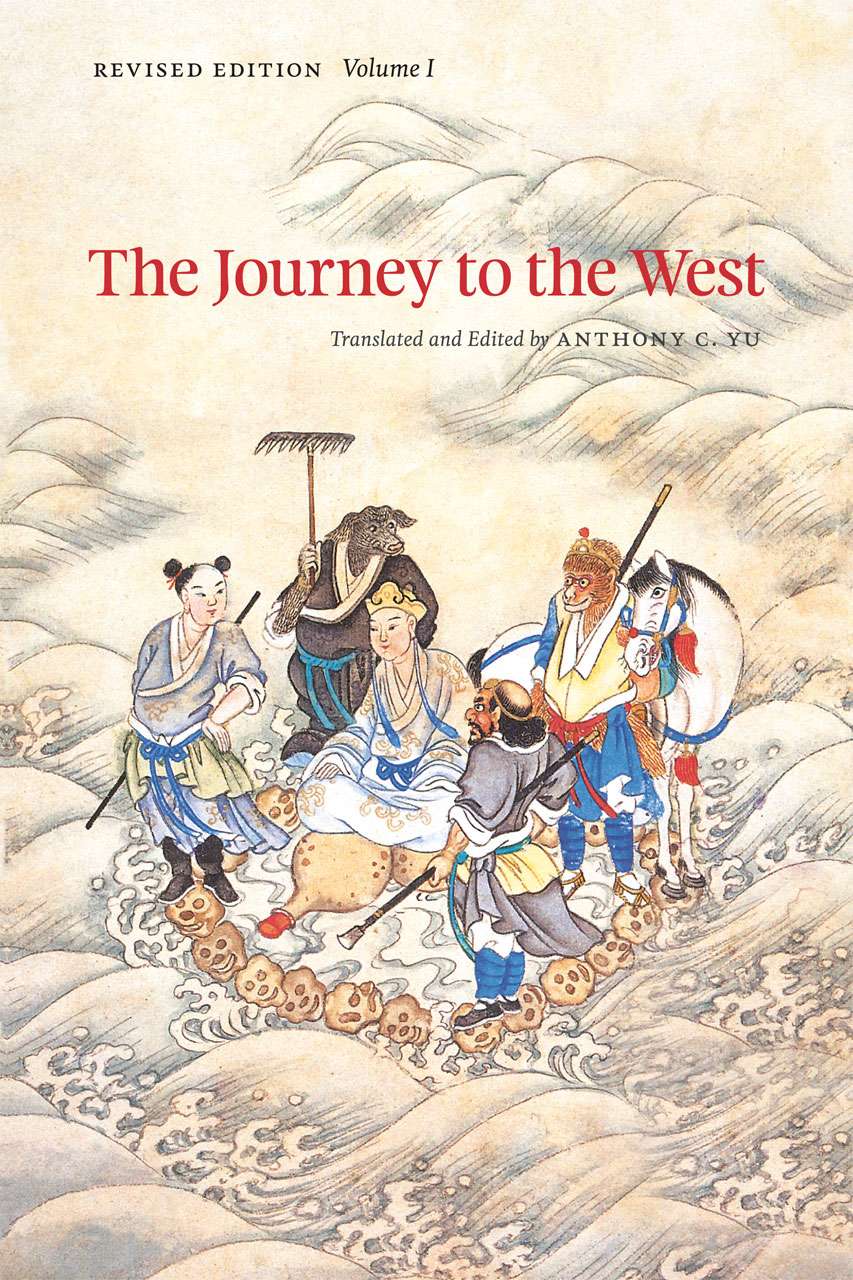
Here I present PDFs comprising the complete four volume 2012 revised edition of The Journey to the West(Xiyouji, 西遊記)translated by Anthony C. Yu (October 6, 1938 – May 12, 2015). This is considered THE most accurate translation of the tale available. I hope those who read and enjoy the digital version will support the official release.
Yu was Carl Darling Buck Distinguished Service Professor Emeritus in the Humanities and Professor Emeritus of Religion and Literature in the Chicago Divinity School. I shared a long email correspondence with Prof. Yu, during which we became friends. He was always quick to answer my many questions. His translation remains a treasure trove of explanatory notes and sources.
Anthony C. Yu’s translation of The Journey to the West, initially published in 1983, introduced English-speaking audiences to the classic Chinese novel in its entirety for the first time […] With over a hundred chapters written in both prose and poetry, The Journey to the West has always been a complicated and difficult text to render in English while preserving the lyricism of its language and the content of its plot. But Yu has successfully taken on the task, and in this new edition he has made his translations even more accurate and accessible. The explanatory notes are updated and augmented, and Yu has added new material to his introduction, based on his original research as well as on the newest literary criticism and scholarship on Chinese religious traditions. He has also modernized the transliterations included in each volume, using the now-standard Hanyu Pinyin romanization system. Perhaps most important, Yu has made changes to the translation itself in order to make it as precise as possible (source).